
What should you know about type 2 diabetes research?
Short answer
Type 2 diabetes research examines prevention, glucose control, weight management, complications and ways to personalise care, but new findings need careful clinical interpretation.
This answers one question. It is not a diagnosis and does not replace an assessment by a licensed doctor.
At a glance
- Research areas
- Prevention, glucose control and complication care.
- Important distinction
- A new finding is not automatically routine treatment.
- Patient safeguard
- Discuss trials and treatment changes with your clinician.
What researchers study
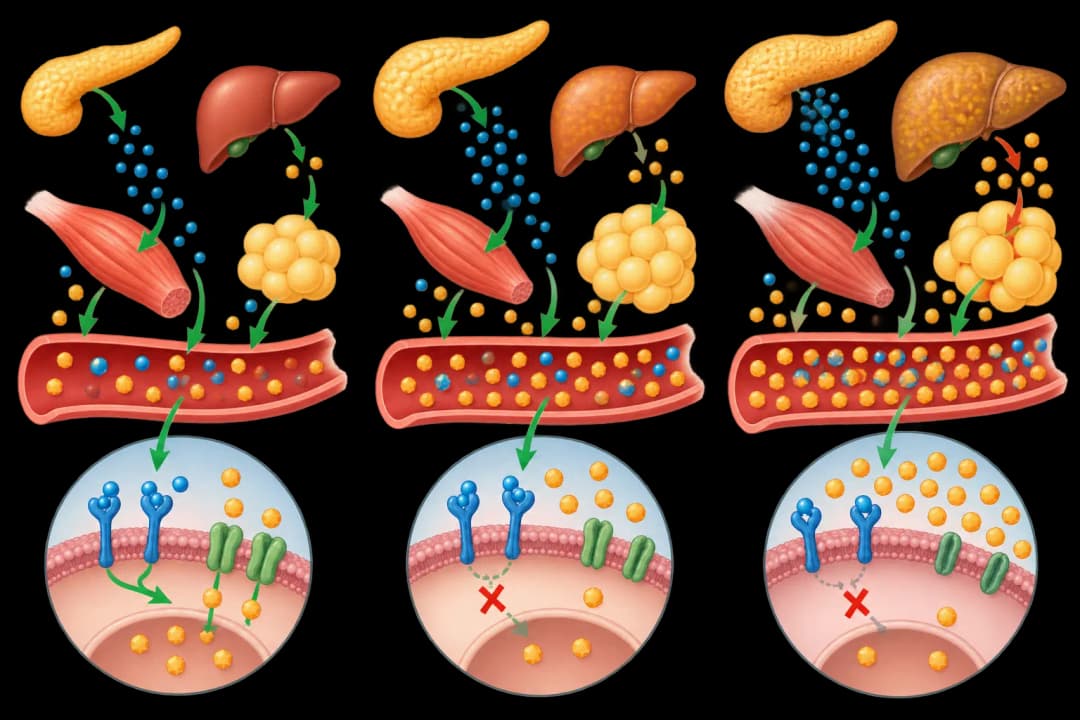
Research may compare medicines, meal patterns, activity programmes, monitoring tools and approaches to remission or prevention. It also examines how diabetes affects the heart, kidneys, nerves, eyes and blood vessels, and why responses differ between people. A promising result does not automatically mean a treatment is ready for routine care; safety, practical access and suitability still matter.
Research findings can describe a group rather than predict what will happen to one person. Your clinician can place new information beside your glucose pattern, medicines, kidney function and other conditions.
Using new information safely
Keep your current care plan while discussing an article, device or treatment claim with a qualified clinician. Check what was actually measured, how long people were followed, which harms were reported and whether the participants resembled you. Do not replace prescribed medicine with a supplement or online programme without advice.
If considering a clinical trial, ask about its purpose, eligibility, appointments, monitoring, possible harms, alternatives and what happens if you withdraw. Consent should be voluntary and understandable.
Care still comes first
Do not wait for a new treatment if you have repeated very high or low glucose, dehydration, vomiting, confusion, severe drowsiness or breathing difficulty. Seek emergency help for chest pressure or sudden weakness, facial drooping or speech trouble. A hot, swollen foot or spreading skin redness needs prompt assessment.
Questions for your doctor
Ask whether a new finding applies to your situation, what is already established in routine care, and whether a trial has independent oversight. Clarify expected benefits, possible harms, monitoring, costs you may face and how your current treatment would be protected.
Find care
General Clinics & Polyclinics in Abu Dhabi
That answer is general. If you want it applied to your own case, these are licensed general clinics & polyclinics listed in Abu Dhabi.
27 Ar Ruwwad St - Shakhbout City - MSH4 - Abu Dhabi - United Arab Emirates
Accepts: Daman, Thiqa, Cigna, MetLife +20 more
Al Ruwais, Al Dhafrah
Accepts: Daman, Thiqa, AXA, Cigna +16 more
Al Bahyah - Al Bahyah Old - Abu Dhabi - United Arab Emirates
Accepts: Daman, Thiqa, Cigna, Allianz Care +18 more
Abu Dhabi
Accepts: Daman, Thiqa, AXA, Cigna +27 more
Ordered by verification status and how complete each clinic's public record is, then alphabetically. This is a directory listing, not a ranking — Zavis does not rate or recommend providers.
A factual listing drawn from the DHA, DOH and MOHAP licence registers. It is not a referral, an endorsement, or advice that any of these providers is right for you.
Questions people ask
Should I change my diabetes medicine after reading research online?
No. Online findings may not match your health or the full evidence; discuss any proposed change with the clinician managing your diabetes.
How can I judge a diabetes clinical trial?
Ask who oversees it, what it compares, what monitoring is provided, which harms are possible and whether you can leave without losing usual care.
Related
Related reading
Keep reading
Medical disclaimer. This page is general health information, not medical advice, and it cannot diagnose you. Always consult a licensed healthcare provider about your own symptoms and treatment. In an emergency in the UAE, call 998 for an ambulance.