
What should you know about type 2 diabetes prevention?
Short answer
Type 2 diabetes risk can often be lowered through sustainable activity, balanced eating, weight support, sleep and timely checks for prediabetes.
This answers one question. It is not a diagnosis and does not replace an assessment by a licensed doctor.
At a glance
- Changeable areas
- Activity, food pattern, sleep and weight support.
- Useful early finding
- Prediabetes can prompt closer follow-up.
- Personal factors
- Family history and past pregnancy-related diabetes matter.
What prevention involves
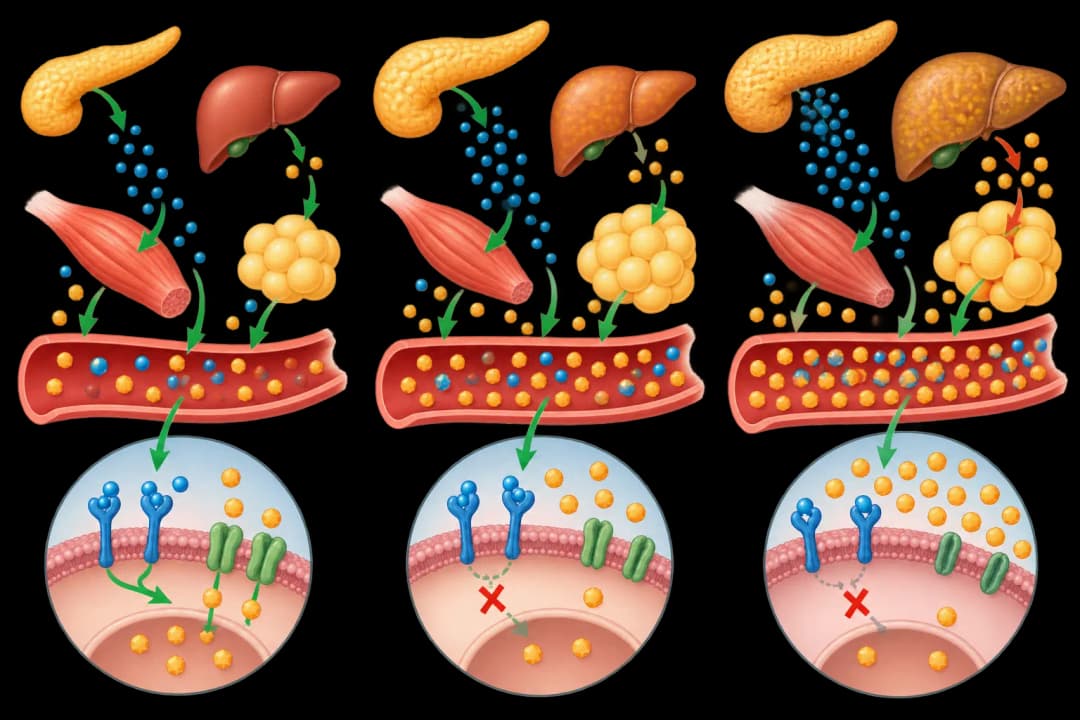
Risk reflects several influences, including family history, age, previous high glucose, pregnancy-related diabetes, body weight, blood pressure and activity patterns. Some factors cannot be changed, but daily habits and regular medical checks can still make a meaningful difference. Prediabetes means glucose is above the usual range but does not meet the threshold for diabetes; it is a useful time to review risk.
Prevention is not a test of willpower. A clinician can help choose realistic changes and consider conditions such as obesity, sleep problems or medicines that affect glucose.
Changes that are easier to maintain
Build meals around vegetables, pulses, whole grains, protein and unsweetened drinks, while reducing frequent sugary drinks and highly processed snacks. Add regular movement that fits your routine, such as walking, active commuting or resistance exercise. Protect sleep, address stress, and choose one change to practise before adding another.
If you have risk factors or a history of prediabetes, ask about glucose testing and follow-up. Keep a record of blood pressure, medicines and relevant family history so your clinician can interpret your risk accurately.
When to arrange a check
Arrange a medical review for persistent thirst, frequent urination, unexplained weight change, blurred vision or unusual tiredness. Seek urgent care for vomiting with dehydration, confusion, severe drowsiness or difficulty breathing. A new wound with spreading redness or fever also needs prompt assessment, especially when glucose may be high.
Questions for your doctor
Ask whether you need a glucose test, how often it should be repeated, which changes fit your health, and whether blood pressure or cholesterol also need attention. Discuss family history, pregnancy history, sleep and medicines rather than focusing on weight alone.
Find care
General Clinics & Polyclinics in Abu Dhabi
That answer is general. If you want it applied to your own case, these are licensed general clinics & polyclinics listed in Abu Dhabi.
27 Ar Ruwwad St - Shakhbout City - MSH4 - Abu Dhabi - United Arab Emirates
Accepts: Daman, Thiqa, Cigna, MetLife +20 more
Al Ruwais, Al Dhafrah
Accepts: Daman, Thiqa, AXA, Cigna +16 more
Al Bahyah - Al Bahyah Old - Abu Dhabi - United Arab Emirates
Accepts: Daman, Thiqa, Cigna, Allianz Care +18 more
Abu Dhabi
Accepts: Daman, Thiqa, AXA, Cigna +27 more
Ordered by verification status and how complete each clinic's public record is, then alphabetically. This is a directory listing, not a ranking — Zavis does not rate or recommend providers.
A factual listing drawn from the DHA, DOH and MOHAP licence registers. It is not a referral, an endorsement, or advice that any of these providers is right for you.
Questions people ask
Can type 2 diabetes always be prevented?
No. Risk can often be reduced, but inherited factors and some medical conditions cannot be removed; screening helps find glucose changes early.
Does having prediabetes mean I will develop diabetes?
No. It signals increased risk, not certainty. A personalised plan and repeat testing can help guide next steps.
Related
Related reading
Keep reading
Medical disclaimer. This page is general health information, not medical advice, and it cannot diagnose you. Always consult a licensed healthcare provider about your own symptoms and treatment. In an emergency in the UAE, call 998 for an ambulance.