
What should you know about type 2 diabetes glucose levels?
Short answer
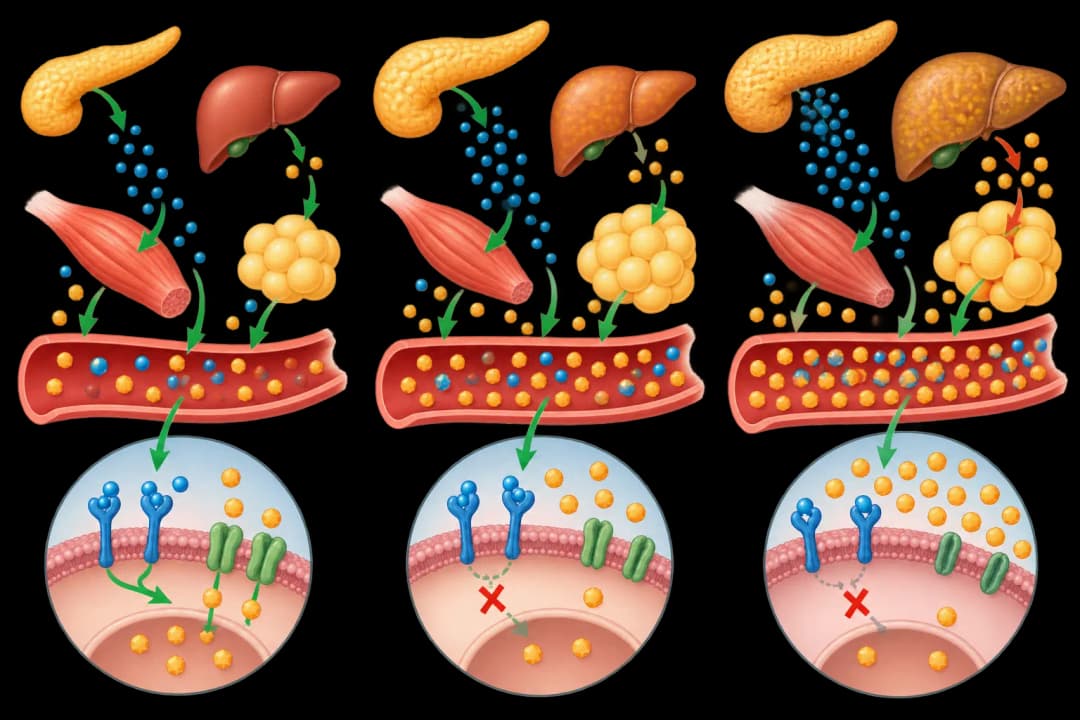
Type 2 diabetes glucose levels change with meals, activity, illness, stress and medicines, so patterns from planned checks are more useful than judging one reading alone.
This answers one question. It is not a diagnosis and does not replace an assessment by a licensed doctor.
At a glance
- Readings vary
- Timing and circumstances change their meaning
- Record context
- Note food, activity, medicine and symptoms
Understanding glucose patterns
A reading before food, after a meal or during symptoms answers a different question. The meter result is affected by testing technique and timing, while a longer-term test reflects an extended period. Your personal target depends on factors such as treatment, other health conditions, age and the risk of hypoglycaemia.
High readings may cause thirst, frequent urination, tiredness or blurred vision, although some people notice no symptoms. Low readings can cause shaking, sweating, hunger, dizziness, irritability, confusion or fainting.
Use readings to guide care
Test at the times your clinician recommends and write down the result, meal timing, activity, medicine and symptoms. Check that strips are stored correctly and that your hands are clean and dry. Share repeated patterns rather than changing doses yourself.
Follow your personal plan for treating low glucose if you use medicine that can cause it. During illness, ask your team in advance how often to test and what to do if you cannot eat or drink normally.
When to seek urgent help
Seek prompt advice for readings that repeatedly sit outside your agreed range or symptoms that are new or worsening. Get emergency help for confusion, fainting, seizures, severe dehydration, vomiting with inability to keep fluids down, or deep or rapid breathing. Do not drive when experiencing symptoms of low glucose or impaired awareness.
Questions for your doctor
Ask which readings to record, what your personal targets are, how to manage exercise and illness, when treatment needs review, and how to recognise a low glucose episode.
Find care
General Clinics & Polyclinics in Abu Dhabi
That answer is general. If you want it applied to your own case, these are licensed general clinics & polyclinics listed in Abu Dhabi.
27 Ar Ruwwad St - Shakhbout City - MSH4 - Abu Dhabi - United Arab Emirates
Accepts: Daman, Thiqa, Cigna, MetLife +20 more
Al Ruwais, Al Dhafrah
Accepts: Daman, Thiqa, AXA, Cigna +16 more
Al Bahyah - Al Bahyah Old - Abu Dhabi - United Arab Emirates
Accepts: Daman, Thiqa, Cigna, Allianz Care +18 more
Abu Dhabi
Accepts: Daman, Thiqa, AXA, Cigna +27 more
Ordered by verification status and how complete each clinic's public record is, then alphabetically. This is a directory listing, not a ranking — Zavis does not rate or recommend providers.
A factual listing drawn from the DHA, DOH and MOHAP licence registers. It is not a referral, an endorsement, or advice that any of these providers is right for you.
Questions people ask
Is one high glucose result an emergency?
Not always. Repeat patterns and symptoms matter, but severe illness signs such as confusion, vomiting or breathing changes need urgent help.
Can exercise change glucose levels?
Yes. Activity may lower or sometimes temporarily raise glucose. Ask your clinician how to monitor safely around your usual exercise.
Related
Related reading
Keep reading
Medical disclaimer. This page is general health information, not medical advice, and it cannot diagnose you. Always consult a licensed healthcare provider about your own symptoms and treatment. In an emergency in the UAE, call 998 for an ambulance.