
What should you know about type 2 diabetes fasting glucose?
Short answer
Fasting glucose is a reading taken after not eating for the period your clinician specifies; in type 2 diabetes, repeated results help guide treatment alongside other glucose checks.
This answers one question. It is not a diagnosis and does not replace an assessment by a licensed doctor.
At a glance
- Meaning
- A fasting snapshot, not a complete picture
- Best use
- Track patterns with consistent technique
What a fasting reading shows
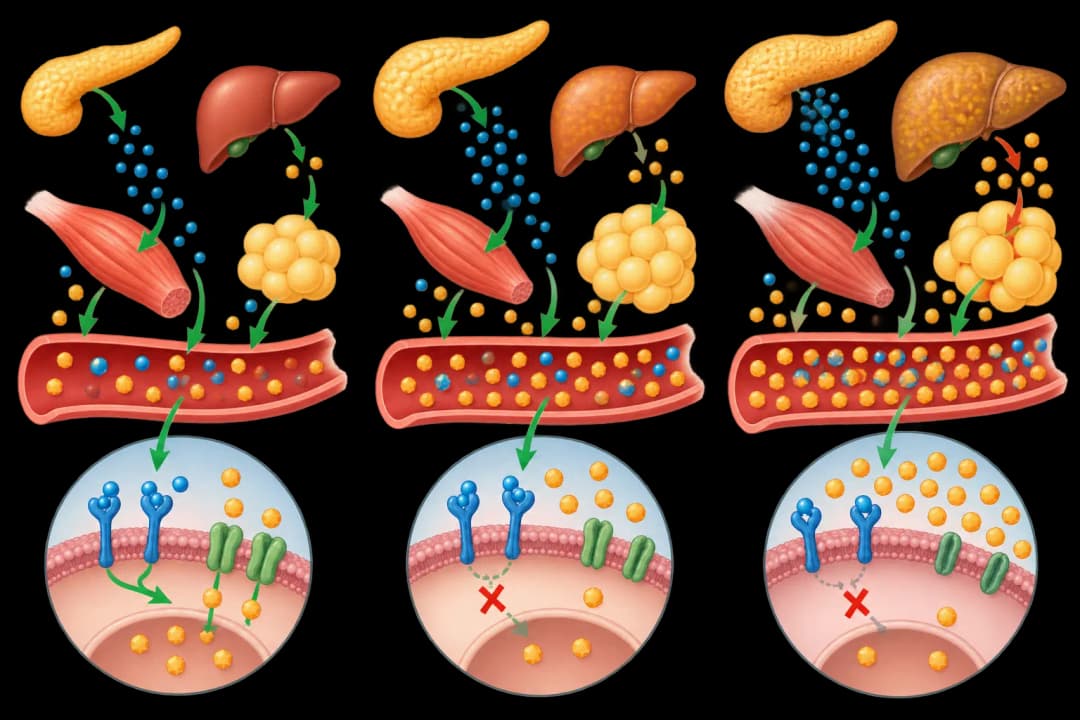
Fasting glucose gives a snapshot of glucose after the overnight or instructed fasting period. It can be influenced by late meals, illness, stress, sleep, alcohol, activity and medicines. One unexpected result does not describe your usual control or confirm that treatment has failed.
Your clinician may compare fasting readings with readings after meals and a longer-term test. Targets differ between people because age, pregnancy, kidney health, medicines and the risk of hypoglycaemia all matter.
How to check it usefully
Follow the same testing instructions each time, wash and dry your hands, and record the time, fasting period, medicines, illness and unusual meals. Do not deliberately skip prescribed medicine or food unless your clinician gives fasting instructions for a specific test.
Look for patterns over several days rather than reacting to a single result. Share the record if fasting readings are repeatedly outside your agreed range, particularly after a medicine change or illness.
When to get prompt help
Contact your diabetes team for repeated readings outside your agreed range or symptoms such as unusual thirst, frequent urination or blurred vision. Get urgent help for vomiting, severe dehydration, confusion, fainting, deep or rapid breathing, or marked weakness, especially when glucose is very high or very low.
Questions for your doctor
Ask how long to fast, when to test, what range is personal to you, which medicines to take before testing, and what action to take when a reading is unexpectedly high or low.
Find care
General Clinics & Polyclinics in Abu Dhabi
That answer is general. If you want it applied to your own case, these are licensed general clinics & polyclinics listed in Abu Dhabi.
27 Ar Ruwwad St - Shakhbout City - MSH4 - Abu Dhabi - United Arab Emirates
Accepts: Daman, Thiqa, Cigna, MetLife +20 more
Al Ruwais, Al Dhafrah
Accepts: Daman, Thiqa, AXA, Cigna +16 more
Al Bahyah - Al Bahyah Old - Abu Dhabi - United Arab Emirates
Accepts: Daman, Thiqa, Cigna, Allianz Care +18 more
Abu Dhabi
Accepts: Daman, Thiqa, AXA, Cigna +27 more
Ordered by verification status and how complete each clinic's public record is, then alphabetically. This is a directory listing, not a ranking — Zavis does not rate or recommend providers.
A factual listing drawn from the DHA, DOH and MOHAP licence registers. It is not a referral, an endorsement, or advice that any of these providers is right for you.
Questions people ask
Can poor sleep affect fasting glucose?
Yes. Sleep disruption, stress and illness can alter glucose regulation, so record these factors beside the reading.
Should I change my medicine after one high reading?
No. Follow your prescribed plan and contact your clinician if high readings repeat or you feel unwell.
Related
Related reading
Keep reading
Medical disclaimer. This page is general health information, not medical advice, and it cannot diagnose you. Always consult a licensed healthcare provider about your own symptoms and treatment. In an emergency in the UAE, call 998 for an ambulance.