
What should you know about SSKI and hyperthyroidism?
Short answer
SSKI is a concentrated potassium iodide liquid that may temporarily reduce thyroid hormone release in selected cases of hyperthyroidism, under medical supervision.
This answers one question. It is not a diagnosis and does not replace an assessment by a licensed doctor.
At a glance
- Medicine type
- Concentrated potassium iodide liquid
- Main role
- Short-term reduction of thyroid hormone release
- Use
- Only when prescribed and supervised
The short answer
It is not a routine substitute for the longer-term treatment plan. A clinician may use it when a rapid, temporary effect is needed, such as before certain thyroid procedures or alongside urgent treatment for severe thyrotoxicosis.
What SSKI means
SSKI stands for saturated solution of potassium iodide. The iodine in this medicine can briefly dampen the thyroid gland's release of stored hormones. The effect is temporary, and the timing matters, so taking it without a prescriber's instructions can be harmful.
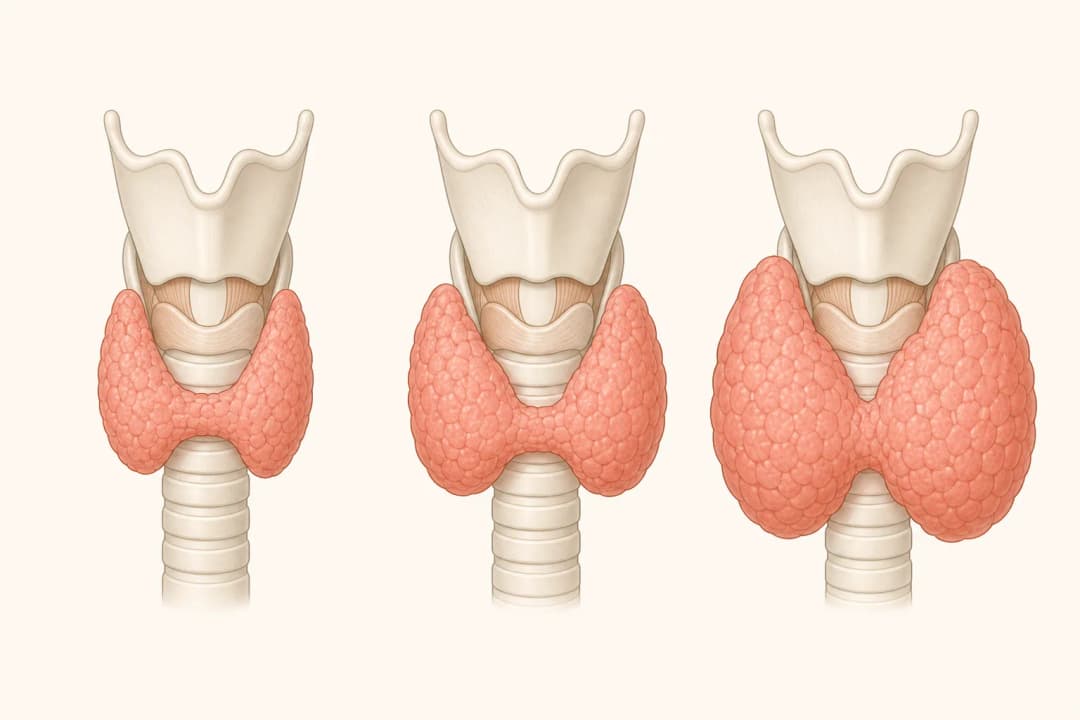
Hyperthyroidism is an overactive thyroid that produces more thyroid hormone than the body needs. Symptoms can include a racing or irregular heartbeat, heat intolerance, sweating, anxiety, trouble sleeping, and frequent bowel movements. These symptoms can have other causes, so they do not by themselves confirm hyperthyroidism.
What to do if SSKI has been prescribed
Use the exact amount and schedule on your prescription, and measure the liquid with the supplied device rather than a household spoon. Follow any instruction about diluting it, because concentrated iodide can irritate the mouth, throat, or stomach. Do not start, stop, or extend the course on your own.
Tell the prescriber about thyroid disease, kidney problems, medication allergies, pregnancy or breastfeeding, and all medicines or supplements you take. Iodine-containing products and some medicines can affect the decision to use potassium iodide. Keep the bottle secured and follow the label's storage instructions.
When to seek care
Contact your clinician promptly if you develop a rash, facial or throat swelling, severe vomiting, marked stomach pain, or a new change in your breathing after taking SSKI. These symptoms may signal a significant reaction and need assessment.
Seek urgent medical help for chest pain, fainting, severe breathlessness, confusion, or a very fast or irregular heartbeat. If symptoms of an overactive thyroid suddenly become intense, do not take extra SSKI unless an emergency clinician specifically tells you to.
Questions for your doctor
Ask why SSKI is being used, how long it is intended to be taken, whether it should be diluted, and which symptoms should prompt a call. Ask how it fits with antithyroid medicine, beta blockers, radioactive iodine planning, or a planned procedure.
Find care
General Clinics & Polyclinics in Abu Dhabi
That answer is general. If you want it applied to your own case, these are licensed general clinics & polyclinics listed in Abu Dhabi.
27 Ar Ruwwad St - Shakhbout City - MSH4 - Abu Dhabi - United Arab Emirates
Accepts: Daman, Thiqa, Cigna, MetLife +20 more
Al Ruwais, Al Dhafrah
Accepts: Daman, Thiqa, AXA, Cigna +16 more
Al Bahyah - Al Bahyah Old - Abu Dhabi - United Arab Emirates
Accepts: Daman, Thiqa, Cigna, Allianz Care +18 more
Abu Dhabi
Accepts: Daman, Thiqa, AXA, Cigna +27 more
Ordered by verification status and how complete each clinic's public record is, then alphabetically. This is a directory listing, not a ranking — Zavis does not rate or recommend providers.
A factual listing drawn from the DHA, DOH and MOHAP licence registers. It is not a referral, an endorsement, or advice that any of these providers is right for you.
Questions people ask
Is SSKI a permanent treatment for hyperthyroidism?
No. SSKI has a temporary role and is usually part of a wider plan that addresses the cause and ongoing control of hyperthyroidism.
Can I take SSKI whenever hyperthyroidism symptoms return?
No. The dose and timing need medical guidance, and recurring symptoms may require examination and thyroid blood tests rather than a repeat course.
Which symptoms should I mention at an appointment?
Mention palpitations, heat intolerance, excessive sweating, anxiety, difficulty sleeping, diarrhoea, or night sweats, along with when they began and any medicines you use.
Related
Related reading
Keep reading
Medical disclaimer. This page is general health information, not medical advice, and it cannot diagnose you. Always consult a licensed healthcare provider about your own symptoms and treatment. In an emergency in the UAE, call 998 for an ambulance.