
Hyperthyroidism: symptoms, diagnosis and treatment
At a glance
- Also called
- Overactive thyroid
- Main issue
- Too much thyroid hormone
- Assessment
- Symptoms, examination and blood tests
Overview
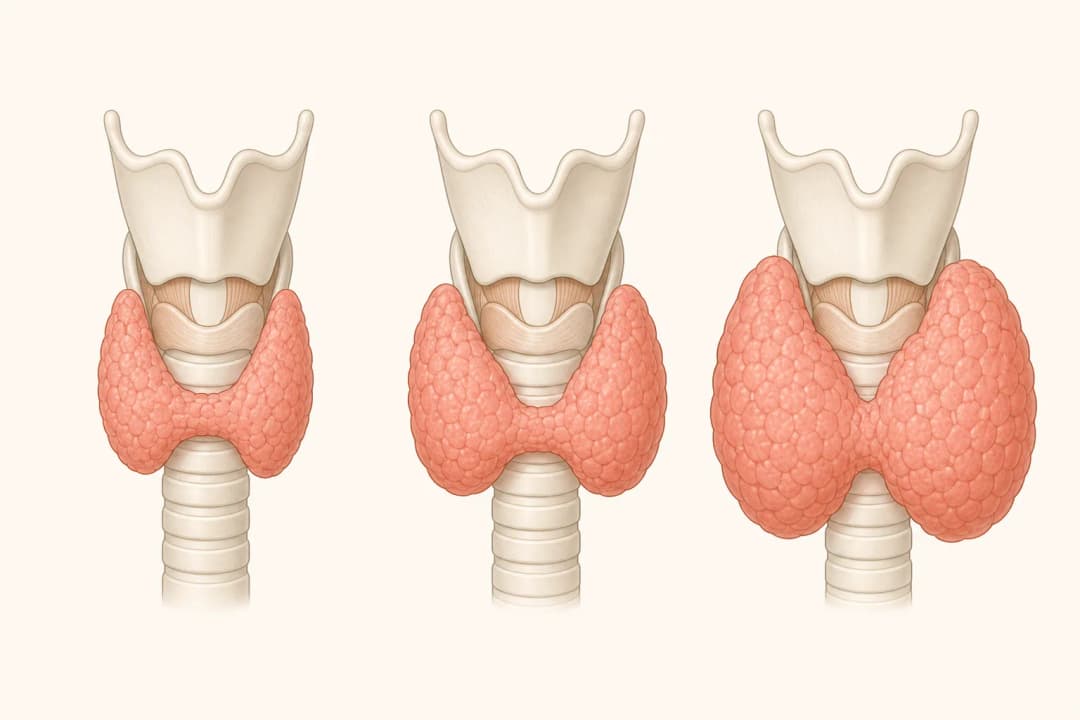
Hyperthyroidism is an overactive thyroid that releases more thyroid hormone than the body needs.
Thyroid hormones influence heart rate, temperature regulation, digestion and energy use. When levels are high, body processes can speed up and cause a cluster of physical and emotional changes. It is a treatable condition, but the right treatment depends on the cause and your circumstances.
Symptoms
People with hyperthyroidism often notice heat intolerance, excessive sweating, a fast or forceful heartbeat, shaking hands, unintentional weight loss, looser stools, anxiety or disrupted sleep. The pattern can develop gradually, and not everyone experiences every symptom.
Causes
Graves’ disease is an autoimmune cause in which the immune system stimulates the thyroid. An overactive thyroid nodule, inflammation of the gland, or taking too much thyroid hormone can also raise hormone levels. A clinician will look for clues that distinguish these causes because management differs.
Course and progression
Symptoms may fluctuate, especially when thyroid inflammation is involved. Without assessment, persistent excess hormone can place strain on the heart and bones. Prompt review is particularly sensible if palpitations are sustained, symptoms are worsening, or pregnancy is possible.
Risk factors
A personal or family history of thyroid or autoimmune illness can be relevant. Previous thyroid treatment, some medicines and iodine-containing products may also matter. Tell the clinician about prescribed medicines, supplements and recent contrast scans.
Diagnosis
Assessment starts with the symptom history, medication review and examination of the neck, pulse, hands and eyes. Blood tests measure thyroid-related hormones. Further imaging or antibody tests may be used when the cause is unclear or when a nodule is suspected.
Treatment options
Medicines can ease symptoms such as a racing heartbeat while treatment addresses the hormone excess. Antithyroid medicine may reduce hormone production. Radioiodine treatment or thyroid surgery can be appropriate for selected causes. Your clinician will discuss pregnancy plans, eye symptoms and other health conditions before recommending an option.
Living with it
Take medicine exactly as prescribed and attend scheduled blood tests, since doses may need adjustment. Seek advice promptly about fever, sore throat or mouth ulcers while taking antithyroid medicine, as these can need an urgent blood count. Limit stimulants if they make shaking or palpitations harder to manage.
Possible complications
Untreated hormone excess can contribute to irregular heart rhythm, reduced bone strength and significant muscle weakness. Severe agitation, confusion, fever or a very rapid heartbeat needs urgent medical assessment because it may signal a dangerous worsening.
Prevention
Many causes cannot be prevented. Avoid starting iodine or thyroid-containing supplements without clinical advice, and arrange review if symptoms return after treatment. Regular monitoring helps identify whether thyroid levels have moved outside the intended range.
Finding the right care
A GP can organise initial testing and refer to an endocrinologist when specialist management is needed. Bring a list of medicines and supplements, along with details of symptom timing, changes in weight, bowel habits and heart symptoms.
Questions people ask
Can hyperthyroidism affect sleep?
Yes. Excess thyroid hormone can cause restlessness, feeling hot at night and a racing heartbeat that makes sleep difficult.
When should I seek urgent help?
Seek urgent assessment for severe confusion, fever, chest pain, breathlessness, fainting or a very rapid heartbeat.
Related
Related reading
Keep reading
Find care
General Clinics & Polyclinics in Abu Dhabi
Where hyperthyroidism: symptoms, diagnosis and treatment is assessed depends on what is causing it. These are licensed general clinics & polyclinics listed in Abu Dhabi.
27 Ar Ruwwad St - Shakhbout City - MSH4 - Abu Dhabi - United Arab Emirates
Accepts: Daman, Thiqa, Cigna, MetLife +20 more
Al Ruwais, Al Dhafrah
Accepts: Daman, Thiqa, AXA, Cigna +16 more
Al Bahyah - Al Bahyah Old - Abu Dhabi - United Arab Emirates
Accepts: Daman, Thiqa, Cigna, Allianz Care +18 more
Abu Dhabi
Accepts: Daman, Thiqa, AXA, Cigna +27 more
Ordered by verification status and how complete each clinic's public record is, then alphabetically. This is a directory listing, not a ranking — Zavis does not rate or recommend providers.
A factual listing drawn from the DHA, DOH and MOHAP licence registers. It is not a referral, an endorsement, or advice that any of these providers is right for you.
Medical disclaimer. This page is general health information, not medical advice, and it cannot diagnose you. Always consult a licensed healthcare provider about your own symptoms and treatment. In an emergency in the UAE, call 998 for an ambulance.