
What should you know about second frozen embryo transfer?
Short answer
A second frozen embryo transfer follows a planned cycle, but your clinic may adjust medicines and monitoring after reviewing the first attempt.
This answers one question. It is not a diagnosis and does not replace an assessment by a licensed doctor.
At a glance
- Main focus
- Timing the embryo transfer with the uterine lining
- Medication
- Use progesterone or other medicines only as prescribed
- Testing
- Follow the clinic’s scheduled pregnancy test
What a second transfer involves
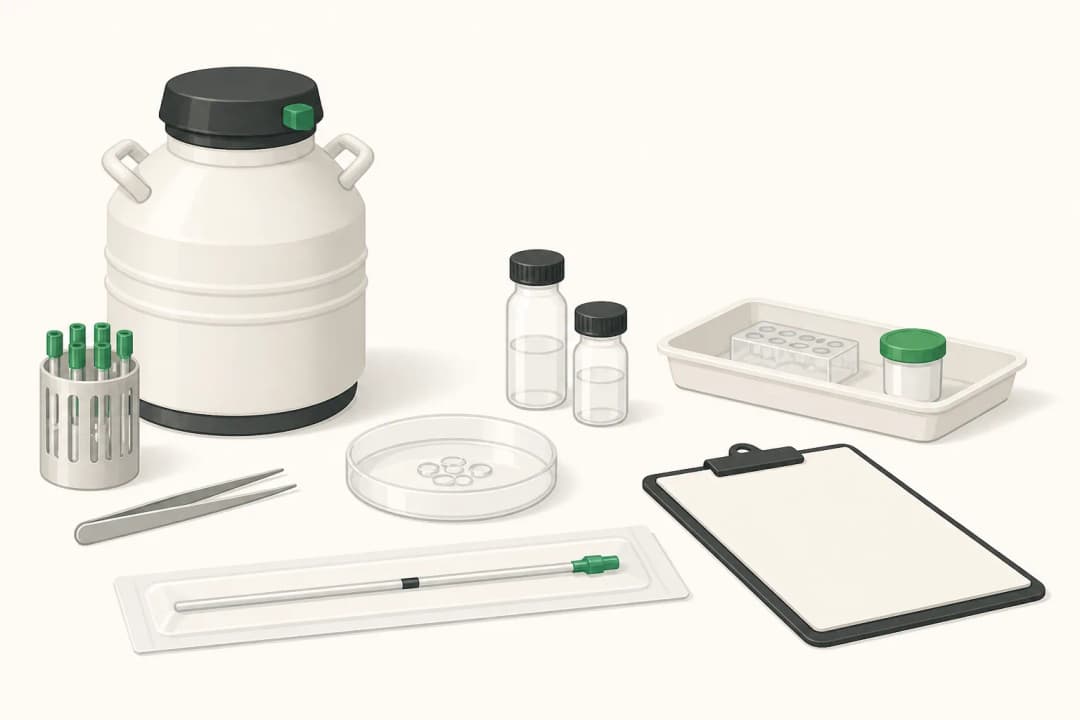
Frozen embryo transfer places a previously frozen embryo into the uterus after the lining has been prepared. The next attempt may use a natural cycle, a cycle supported with hormones, or another approach chosen around ovulation, menstrual timing and your medical history.
Your team may review the transfer notes, ultrasound findings, lining development, progesterone timing and the embryo information. Micronised progesterone may be prescribed to support the uterine lining; take it exactly as directed and report unexpected bleeding or troublesome side effects.
A pregnancy test is usually arranged after the transfer on the date given by the clinic. Testing too early can be confusing, especially if fertility medicines have affected the result.
Preparing for the appointment
Keep a record of the first cycle, including medicines, bleeding, pain and any instructions that were difficult to follow. Bring this information to the review so the team can decide whether the next schedule needs changing.
Use medicines at the prescribed times, attend scans and blood tests, and ask before starting a new medicine or supplement. Gentle everyday activity is usually reasonable unless your clinic gives different advice; avoid changing treatment because of symptoms alone.
Read the clinic instructions for the transfer day, including arrival time, bladder guidance and who to contact outside office hours. Emotional strain after an unsuccessful attempt is real, so consider practical support from someone you trust.
Symptoms that need prompt advice
Contact the fertility clinic promptly for heavy bleeding, worsening pelvic pain, fever, faintness, breathing difficulty, marked abdominal swelling or repeated vomiting. Seek urgent care if you feel severely unwell, collapse, or have sudden intense pain.
After a positive test, one-sided pain, shoulder-tip pain, dizziness or bleeding needs timely medical assessment because early pregnancy complications can present this way. Do not stop prescribed support unless the fertility team tells you to do so.
Questions to take along
Ask which findings from the first cycle affect the next plan, how the embryo will be selected, when progesterone should begin, which symptoms are expected, and exactly when to test. You can also ask who to call overnight and what happens if the cycle needs to be postponed.
Find care
General Clinics & Polyclinics in Abu Dhabi
That answer is general. If you want it applied to your own case, these are licensed general clinics & polyclinics listed in Abu Dhabi.
27 Ar Ruwwad St - Shakhbout City - MSH4 - Abu Dhabi - United Arab Emirates
Accepts: Daman, Thiqa, Cigna, MetLife +20 more
Al Ruwais, Al Dhafrah
Accepts: Daman, Thiqa, AXA, Cigna +16 more
Al Bahyah - Al Bahyah Old - Abu Dhabi - United Arab Emirates
Accepts: Daman, Thiqa, Cigna, Allianz Care +18 more
Abu Dhabi
Accepts: Daman, Thiqa, AXA, Cigna +27 more
Ordered by verification status and how complete each clinic's public record is, then alphabetically. This is a directory listing, not a ranking — Zavis does not rate or recommend providers.
A factual listing drawn from the DHA, DOH and MOHAP licence registers. It is not a referral, an endorsement, or advice that any of these providers is right for you.
Questions people ask
Does a second frozen transfer use the same medicines?
Not always. The clinic may keep the plan similar or change the cycle preparation after reviewing your response and timing.
Can symptoms confirm that the transfer worked?
No. Cramping, spotting, breast tenderness or no symptoms cannot confirm pregnancy; the scheduled test is more reliable.
Related
Related reading
Keep reading
Medical disclaimer. This page is general health information, not medical advice, and it cannot diagnose you. Always consult a licensed healthcare provider about your own symptoms and treatment. In an emergency in the UAE, call 998 for an ambulance.