
Frozen Embryo Transfer
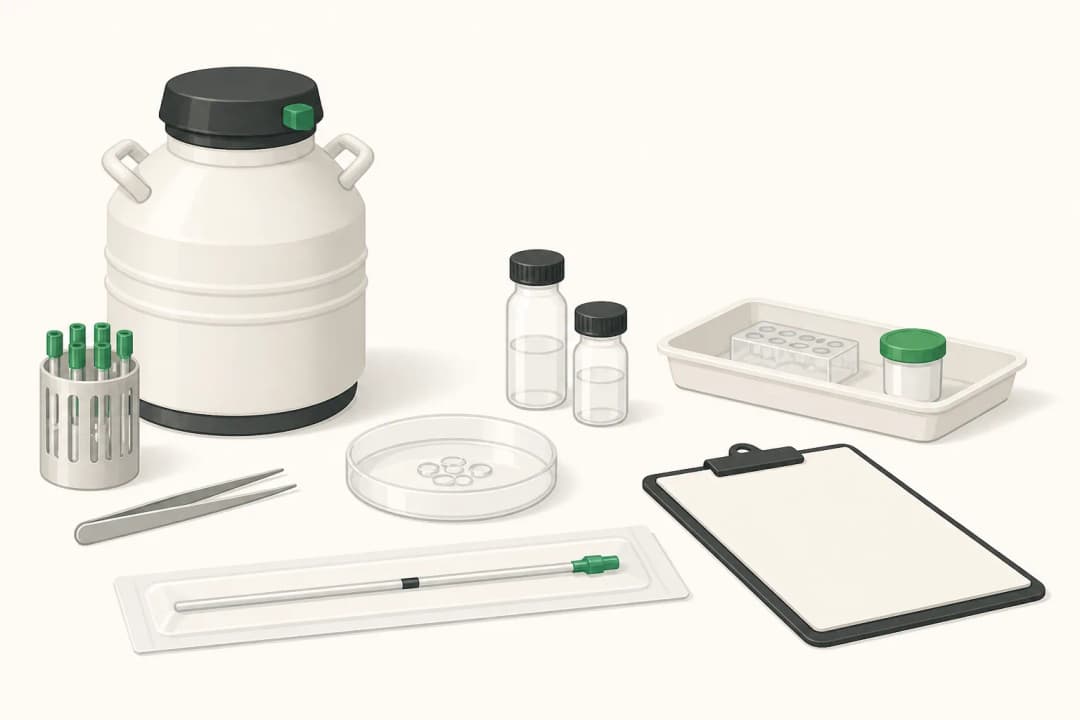
At a glance
- Also known as
- FET
- Main purpose
- Place a stored embryo into the uterus
- Preparation
- Natural ovulation monitoring or hormonal lining preparation
Find care
Fertility & IVF in Dubai
Licensed fertility & ivf listed in Dubai. Appearing here means a provider holds a UAE licence in this category — not that it offers frozen embryo transfer, which is worth confirming with the clinic before you book.
Allahbadia Fertility Clinic - Best Fertility Doctor in Dubai | IVF Doctor in Dubai | ICSI | IUI | Family Balancing
Accepts: Daman, Thiqa, AXA, Cigna +22 more
Dubai Healthcare City, Dubai
Accepts: Daman, Cigna, Allianz Care, Aetna International +17 more
Al Razi Building 64, Block C - Unit 1017 1st Floor - أم هرير الثانية - Dubai Healthcare City - دبي - United Arab Emirates
Accepts: Daman, AXA, Cigna, MetLife +20 more
Jumeira St - Umm Suqeim Third - Umm Suqeim 3 - Dubai - United Arab Emirates
Accepts: Daman, Thiqa, AXA, Cigna +17 more
Al Diyafah Street, - Al Hudaiba Awards Buildings ,7th Floor Block C, Jumeirah - Madinat Dubai Al Melaheyah - Al Mina - Dubai - United Arab Emirates
Accepts: Daman, AXA, Cigna, MetLife +18 more
Dubai Fertility Center, Latifa Hospital Road 9/5, Al Jadaf, Dubai
Accepts: AXA, Allianz Care, Dubai Insurance Company, Oman Insurance +6 more
Ordered by verification status and how complete each clinic's public record is, then alphabetically. This is a directory listing, not a ranking — Zavis does not rate or recommend providers.
A factual listing drawn from the DHA, DOH and MOHAP licence registers. It is not a referral, an endorsement, or advice that any of these providers is right for you.
What is frozen embryo transfer?
Frozen embryo transfer places a previously frozen embryo into the uterus after the lining has been prepared for implantation. The embryo was created and stored during an earlier fertility treatment cycle. Transfer may use a natural cycle, in which ovulation is monitored, or a medicated cycle, in which hormones prepare the uterine lining.
What happens at each stage?
First, the clinic reviews the embryo record and chooses a cycle plan. Ultrasound checks the uterine lining, while blood tests or ovulation tracking may guide timing. Progesterone is started when required. On transfer day, a clinician passes a thin catheter through the cervix and releases the embryo into the uterus. A pregnancy test is arranged after the waiting period advised by the clinic.
Is it safe for me and the baby?
The transfer itself is usually brief and does not require surgery through the abdomen. Cramping or light spotting can occur. Your clinician considers medical history, uterine findings and the number and quality of embryos before treatment. Pregnancy risks depend on your health and the pregnancy itself; contact the clinic promptly for heavy bleeding, severe pain, breathing difficulty or marked abdominal swelling.
What are my choices?
Choices include a natural-cycle or hormone-prepared transfer, depending on ovulation and cycle regularity. You can discuss which embryo to transfer, whether single-embryo transfer is appropriate, and how stored embryos may be used later. The plan may change if the lining, ovulation timing or your wellbeing is not suitable that cycle.
Key facts
Embryo transfer is different from embryo freezing: freezing is the storage stage, while transfer is placement into the uterus. Progesterone supports the uterine lining when prescribed. A negative or positive pregnancy test does not by itself explain why implantation did or did not occur.
Who may be offered it?
Frozen embryo transfer may be offered when embryos remain stored after an earlier IVF or ICSI cycle, or when a fresh transfer was deferred. It can also fit a planned treatment sequence after recovery from ovarian stimulation. People with irregular cycles, uterine conditions or medical concerns may need an individualized plan.
Procedure steps
The clinic confirms the embryo and treatment consent, monitors the lining or ovulation, starts support medicine when needed, and schedules transfer at the matching stage. During the appointment, the cervix is gently accessed with a speculum and a soft catheter. The embryo is released, the catheter is checked, and you receive instructions for medicines and follow-up.
Recovery and follow-up
Most people return to ordinary activities soon after the appointment, unless their clinician advises otherwise. Continue medicines exactly as prescribed and avoid changing treatment because of early symptoms. The clinic will tell you when to take a pregnancy test and what happens next if it is positive or negative.
Possible risks and warning signs
Possible issues include cramping, spotting, infection, a cycle being cancelled, or implantation not occurring. Multiple pregnancy is a consideration when more than one embryo is transferred. Severe pelvic pain, faintness, heavy bleeding, fever, breathing trouble or rapidly increasing abdominal swelling needs urgent medical advice. Ovarian hyperstimulation syndrome is more closely associated with ovarian stimulation than with the catheter transfer itself.
Alternatives to discuss
Depending on your history, alternatives may include another fresh or frozen cycle, delaying transfer, treating a uterine issue first, or choosing not to proceed. Ask how [Embryo Freezing](/treatments/fertility-and-assisted-reproduction/embryo-freezing/) fits your plan and whether [Micronised Progesterone](/materials/micronised-progesterone/) is suitable. The clinic can explain how [Ovarian Hyperstimulation Syndrome](/conditions/ovarian-hyperstimulation-syndrome/) affects cycle planning.
Finding a fertility provider
Look for a fertility service that explains embryo storage, identification checks, medication timing, consent and emergency contact arrangements. Bring your treatment history and a list of medicines. Ask who will review your scan, when results are shared and which symptoms should be reported immediately.
Questions people ask
Is frozen embryo transfer painful?
The catheter procedure can cause pressure or brief cramping, but experiences vary.
Can I stop progesterone after transfer?
No. Continue it until the clinic gives clear instructions, including after a test.
When should I call the clinic?
Call for severe pain, heavy bleeding, fever, faintness, breathing difficulty or rapid abdominal swelling.
Related
Related reading
Keep reading
Medical disclaimer. This page is general health information, not medical advice, and it cannot diagnose you. Always consult a licensed healthcare provider about your own symptoms and treatment. In an emergency in the UAE, call 998 for an ambulance.