
What should you know about saan nakukuha ang hyperthyroidism?
Updated
Short answer
Hyperthyroidism develops when the thyroid releases too much hormone, often because of an autoimmune condition or thyroid inflammation.
This answers one question. It is not a diagnosis and does not replace an assessment by a licensed doctor.
At a glance
- What changes
- Excess thyroid hormone speeds body processes
- Possible causes
- Autoimmune stimulation, inflammation or nodules
- Typical assessment
- Symptoms, neck examination and hormone tests
What causes it
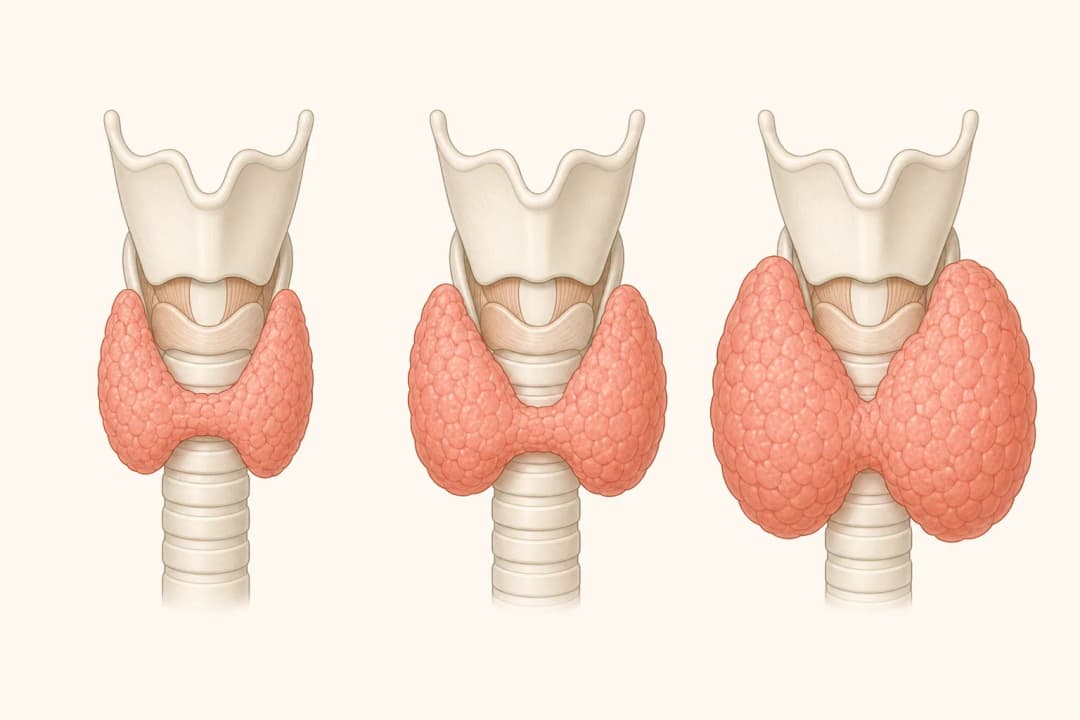
The thyroid is a gland in the neck that helps regulate how quickly the body uses energy. An autoimmune condition can stimulate it to make excess hormone. Other causes include an inflamed thyroid, overactive thyroid nodules, or taking more thyroid hormone than prescribed. The cause matters because treatment differs.
Most people with hyperthyroidism notice symptoms caused by the body working too quickly. These may include palpitations, excessive sweating, heat intolerance, difficulty sleeping, feeling anxious, diarrhoea or night sweats. Symptoms can overlap with other conditions, so they do not identify the cause by themselves.
What to do next
Book an appointment if symptoms persist, recur or interfere with sleep and daily activity. A clinician can examine your neck and check thyroid hormone levels, often alongside tests that help identify the cause. Tell them about thyroid medicines, supplements and medicines containing iodine. Avoid changing treatment or taking iodine products without advice. Keep a record of palpitations, bowel changes, sweating and weight change to discuss.
When to seek urgent care
Seek urgent help for chest pain, fainting, severe breathlessness, marked confusion, a very fast heartbeat that does not settle, or high fever with extreme agitation. Symptoms that become suddenly severe can indicate a serious complication and should not wait for a routine appointment.
Questions for your doctor
Ask which cause is most likely from your examination and tests, whether you need thyroid imaging, how treatment will be monitored, and which symptoms should trigger urgent advice.
Find care
General Clinics & Polyclinics in Dubai
That answer is general. If you want it applied to your own case, these are licensed general clinics & polyclinics listed in Dubai.
The Court Residence, 39B Street, Jumeirah 1, Dubai
Accepts: Tabby, Tamara
Elite Business Bay Residence - Shop 03 & 04, 34 Marasi Dr - Business Bay - Dubai - United Arab Emirates
Accepts: Tabby
Airport View Building, Al Garhoud, Dubai
Accepts: Daman, Thiqa, AXA, Cigna +25 more
IBIS Building, 5th Floor, Unit 5003, Deira, Dubai
Accepts: AXA, Cigna, MetLife, Allianz Care +18 more
Ordered by verification status and how complete each clinic's public record is, then alphabetically. This is a directory listing, not a ranking — Zavis does not rate or recommend providers.
A factual listing drawn from the UAE health regulators' public licence registers. It is not a referral, an endorsement, or advice that any of these providers is right for you.
Questions people ask
Is hyperthyroidism contagious?
No. It results from thyroid disease, inflammation, nodules or excess medicine and cannot spread between people.
Can anxiety be the only sign?
Feeling anxious can occur, but thyroid symptoms often include physical changes such as palpitations, sweating, heat intolerance or altered bowel movements.
Related
Related reading
Keep reading
Medical disclaimer. This page is general health information, not medical advice, and it cannot diagnose you. Always consult a licensed healthcare provider about your own symptoms and treatment. In an emergency in the UAE, call 998 for an ambulance.