
What should you know about robotic sacrocolpopexy?
Short answer
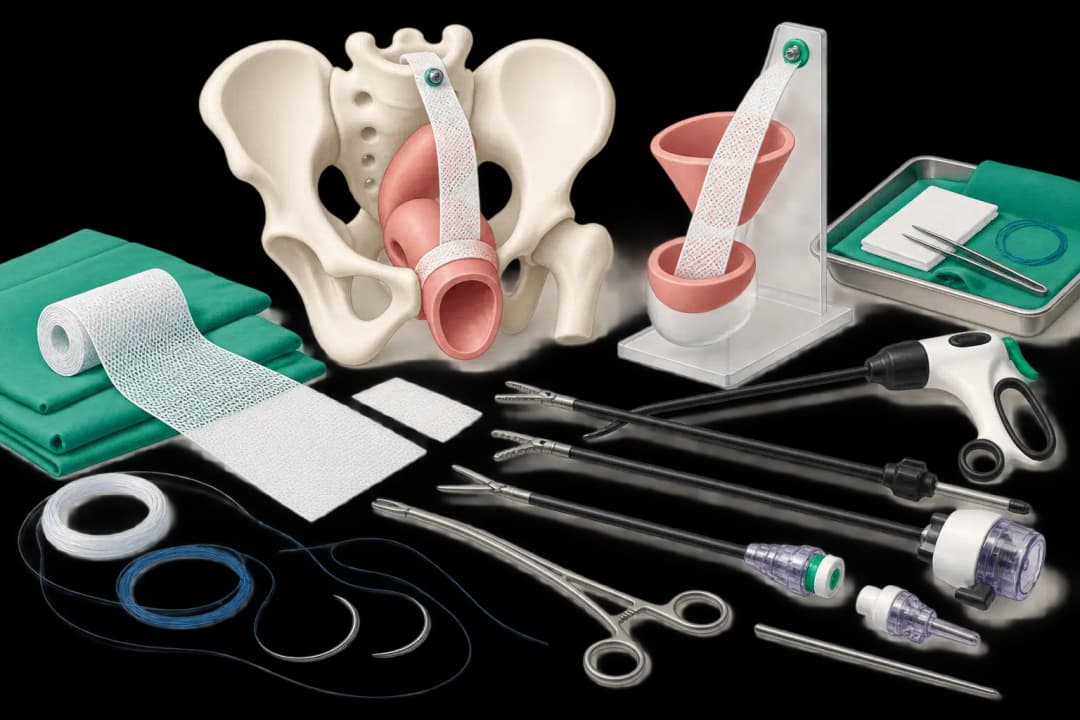
Robotic sacrocolpopexy is a surgeon-controlled minimally invasive repair that uses small abdominal incisions and mesh to support prolapsed pelvic organs.
This answers one question. It is not a diagnosis and does not replace an assessment by a licensed doctor.
At a glance
- Who controls it
- The operating surgeon
- Access
- Small abdominal incisions
- Support material
- Mesh is commonly used
How it works
A camera provides a magnified view inside the abdomen. The surgeon guides articulated instruments from a console to attach mesh between the upper vagina or cervix and tissue over the sacrum. This can restore support when pelvic organ prolapse creates a bulge or dragging sensation. The equipment assists precision; it does not replace the surgeon’s judgement.
Because mesh is implanted, discuss erosion, infection, pain, bleeding and possible future procedures in language you understand. Pelvic Organ Prolapse and Surgical Mesh provide useful background for that conversation.
Before and after surgery
Tell the team about medicines, allergies, prior abdominal surgery, bladder or bowel symptoms, and pregnancy plans. Plan transport and practical help during the early recovery period. Walk as advised, protect the incisions, prevent constipation as instructed, and avoid heavy lifting until cleared. Your return to routine depends on the operation and your health.
Ask when you can shower, drive, work, exercise and have vaginal sex. Discuss pelvic floor physiotherapy if symptoms continue. Sacrocolpopexy and Pelvic Floor Repair Surgery may differ in technique and use of mesh.
Warning signs after surgery
Call the care team for fever, escalating pain, wound redness or discharge, persistent vomiting, trouble urinating, heavy bleeding, or a new or worsening bulge. Get urgent medical help for severe breathing difficulty, chest pain, collapse, or marked swelling in one leg. Keep your follow-up appointment so healing and support can be checked.
Take these questions
What type of prolapse do I have? What makes robotic sacrocolpopexy appropriate? Where will the mesh be attached? What non-robotic or non-mesh options fit my goals? What symptoms should improve, and which may persist? What restrictions will I have during recovery?
Find care
General Clinics & Polyclinics in Abu Dhabi
That answer is general. If you want it applied to your own case, these are licensed general clinics & polyclinics listed in Abu Dhabi.
27 Ar Ruwwad St - Shakhbout City - MSH4 - Abu Dhabi - United Arab Emirates
Accepts: Daman, Thiqa, Cigna, MetLife +20 more
Al Ruwais, Al Dhafrah
Accepts: Daman, Thiqa, AXA, Cigna +16 more
Al Bahyah - Al Bahyah Old - Abu Dhabi - United Arab Emirates
Accepts: Daman, Thiqa, Cigna, Allianz Care +18 more
Abu Dhabi
Accepts: Daman, Thiqa, AXA, Cigna +27 more
Ordered by verification status and how complete each clinic's public record is, then alphabetically. This is a directory listing, not a ranking — Zavis does not rate or recommend providers.
A factual listing drawn from the DHA, DOH and MOHAP licence registers. It is not a referral, an endorsement, or advice that any of these providers is right for you.
Questions people ask
What does the procedure repair?
It supports the vagina or cervix by attaching them with mesh to strong tissue near the sacrum.
Can symptoms return?
Prolapse can recur, so ask how your personal anatomy, activities and other repairs affect that possibility.
Related
Related reading
Keep reading
Medical disclaimer. This page is general health information, not medical advice, and it cannot diagnose you. Always consult a licensed healthcare provider about your own symptoms and treatment. In an emergency in the UAE, call 998 for an ambulance.