
Sacrocolpopexy
At a glance
- Purpose
- Restore support for prolapsed pelvic organs
- Access
- May be performed through keyhole or open surgery
- Recovery
- Includes gradual walking, activity limits, wound care, and follow-up
Find care
Hospitals & Medical Centers in Abu Dhabi
Licensed hospitals & medical centers listed in Abu Dhabi. Appearing here means a provider holds a UAE licence in this category — not that it offers sacrocolpopexy, which is worth confirming with the clinic before you book.
Ahalia Hospital Musaffah Building - Musaffah - Musaffah Industrial - Abu Dhabi - United Arab Emirates
Accepts: Daman, Thiqa, AXA, Cigna +26 more
Al Ruwais Industrial City - Abu Dhabi - United Arab Emirates
Accepts: Daman, Thiqa, AXA, Cigna +30 more
Abu Dhabi, Abu Dhabi
Accepts: Daman, Thiqa, AXA, Cigna +30 more
Plot No. 11-12, SE 44 Khalifa City A - مدينة خليفة - جنوب شرق 44 - أبو ظبي - United Arab Emirates
Accepts: Daman, Thiqa, AXA, Cigna +26 more
7 Al Kawadir 2 St - Khalifa City - SE44 - Abu Dhabi - United Arab Emirates
Accepts: Daman, Thiqa, AXA, Cigna +25 more
Mohammed Bin Khalif Street 669, Al Mussala, Abu Dhabi, Abu Dhai - 35453 - 669 Mohammed Bin Khalifa St - Al Manhal - W15 02 - Abu Dhabi - United Arab Emirates
Accepts: Daman, Thiqa, AXA, Cigna +22 more
Ordered by verification status and how complete each clinic's public record is, then alphabetically. This is a directory listing, not a ranking — Zavis does not rate or recommend providers.
A factual listing drawn from the DHA, DOH and MOHAP licence registers. It is not a referral, an endorsement, or advice that any of these providers is right for you.
What is sacrocolpopexy?
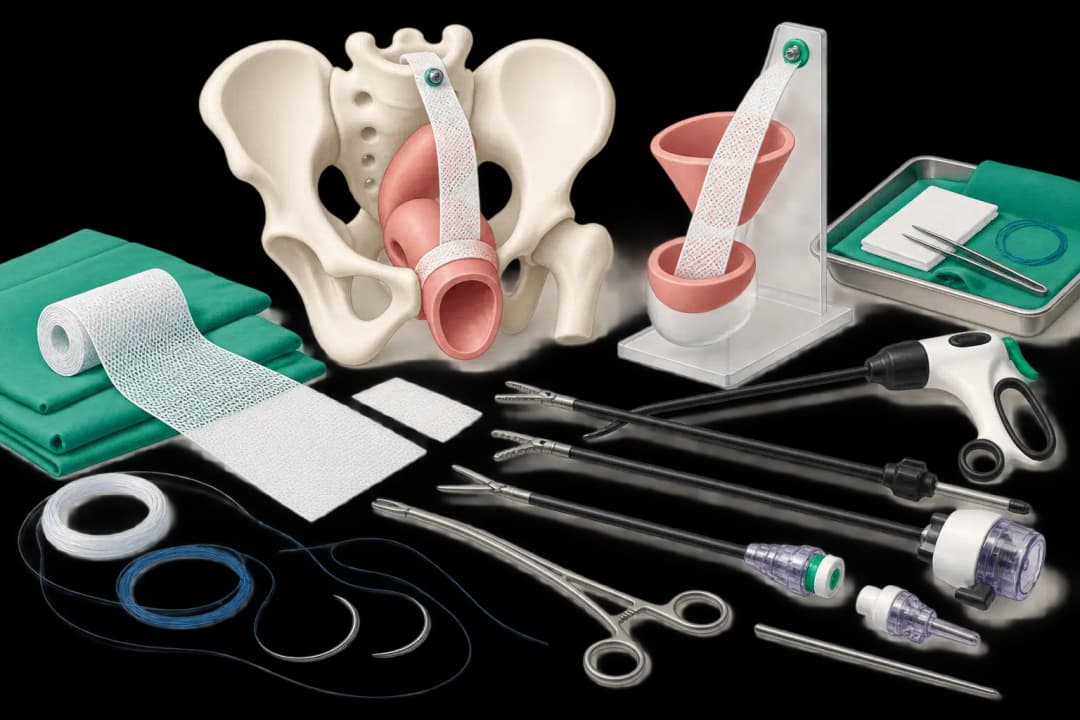
Sacrocolpopexy is an operation for pelvic organ prolapse. The surgeon places a strip of surgical mesh or another support material between the prolapsed vaginal walls and the front of the sacrum, a strong bone at the base of the spine. The operation may be performed through keyhole incisions or an open incision, and the uterus may be retained or removed depending on the plan.
Sacrocolpopexy supports prolapsed pelvic organs by attaching the vagina or cervix area to strong tissue near the sacrum, usually with mesh.
What does recovery actually involve?
After surgery, the team monitors pain, bladder function, bleeding, bowel activity, and movement. Walking is encouraged as recovery begins, but lifting, strenuous exercise, and vaginal intercourse are restricted until the surgeon confirms healing. Fatigue can last beyond the first days. Follow-up checks assess wounds, bladder or bowel symptoms, vaginal healing, and whether the support is working for you.
What can go wrong, and how often?
The frequency of complications varies with the surgical approach, your health, and the surgeon's experience, so a personal consultation is needed rather than a single universal figure. Possible problems include bleeding, infection, blood clots, injury to the bladder, bowel, ureters, or blood vessels, difficulty emptying the bladder, mesh exposure, pain with intercourse, and prolapse in another area. Seek urgent help for heavy bleeding, fever, worsening pain, chest symptoms, or inability to pass urine.
Will it fix the problem, and for how long?
Sacrocolpopexy is intended to restore support and ease bulging, pressure, or related bladder and bowel symptoms, but it cannot promise that every symptom will disappear or that prolapse will never recur. Durability differs between people and compartments. Ongoing pelvic-floor care, bowel management, healthy movement, and follow-up can help address factors that place strain on the repair.
Key facts
The repair supports the vaginal apex or nearby prolapsed structures rather than treating every pelvic symptom. Mesh remains in the body and can have material-specific complications. Your surgeon should explain whether the uterus will remain, how access will be made, what other repairs are planned, and how sexual, bladder, and bowel concerns may be affected.
Who may be offered sacrocolpopexy?
It may be considered when pelvic organ prolapse causes pressure, a vaginal bulge, difficulty emptying the bladder or bowel, or disruption of daily activities and non-surgical measures have not provided enough relief. The choice depends on the prolapse location, prior operations, general health, future pregnancy plans, sexual goals, and your preferences.
What happens during the operation
The team gives anaesthesia and places you safely for surgery. The surgeon reaches the pelvic organs through the agreed route, identifies the prolapsed structures, and attaches support material to the vagina or cervix area and the sacrum. They check nearby organs, close the incisions, and move you to recovery for observation. The exact steps change if other repairs are needed.
Planning the weeks after surgery
Arrange transport, meals, and help with children, work, and lifting. Take short walks and increase activity gradually within the surgeon's instructions. Keep wounds dry or dressed as directed, prevent constipation with the recommended plan, and attend follow-up. Contact the surgical team if pain, discharge, bleeding, urinary symptoms, or bowel symptoms are worsening rather than settling.
Risks and mesh-specific concerns
Every operation has anaesthetic and surgical risks. Sacrocolpopexy can also affect bladder or bowel function, cause new pain, lead to infection or bleeding, or require treatment for a recurrent prolapse. Mesh may become exposed through vaginal tissue, contract, or contribute to pain. Ask how complications are recognised, managed, and followed over time.
Alternatives to consider
Depending on the prolapse and your goals, alternatives may include pelvic-floor physiotherapy, a vaginal pessary, observation with symptom monitoring, or another operation such as Pelvic Floor Repair Surgery. Discuss how each option affects recovery, sexual activity, future pregnancy, the uterus, and the possibility of further treatment. Pelvic Organ Prolapse and Uterine Prolapse explain the conditions being treated.
Choosing a surgical team
Seek a licensed gynaecologist or urogynecology team experienced in prolapse surgery. Ask how often they perform the proposed approach, whether mesh is planned, what recovery restrictions apply, and who handles problems after discharge. Bring a list of bladder, bowel, sexual, and pelvic symptoms so the treatment goal is specific.
Questions people ask
Is mesh always used?
Sacrocolpopexy commonly uses a support material, often surgical mesh, but the exact material and plan should be discussed with the surgeon.
When can I lift heavy items?
Wait until your surgical team confirms healing and gives a personalised return-to-activity plan.
Can prolapse return after surgery?
Yes, recurrence or prolapse in another pelvic area can occur, so follow-up and attention to pelvic-floor and bowel health remain useful.
Related
Related reading
Keep reading
Medical disclaimer. This page is general health information, not medical advice, and it cannot diagnose you. Always consult a licensed healthcare provider about your own symptoms and treatment. In an emergency in the UAE, call 998 for an ambulance.