
What should you know about robotic assisted sacrocolpopexy?
Short answer
Robotic assisted sacrocolpopexy repairs pelvic organ prolapse through small abdominal incisions using a surgeon-controlled robotic system and surgical mesh.
This answers one question. It is not a diagnosis and does not replace an assessment by a licensed doctor.
At a glance
- Purpose
- Support prolapsed pelvic organs
- Approach
- Small abdominal incisions with surgeon-controlled instruments
- Implant
- Surgical mesh may be used
What the procedure involves
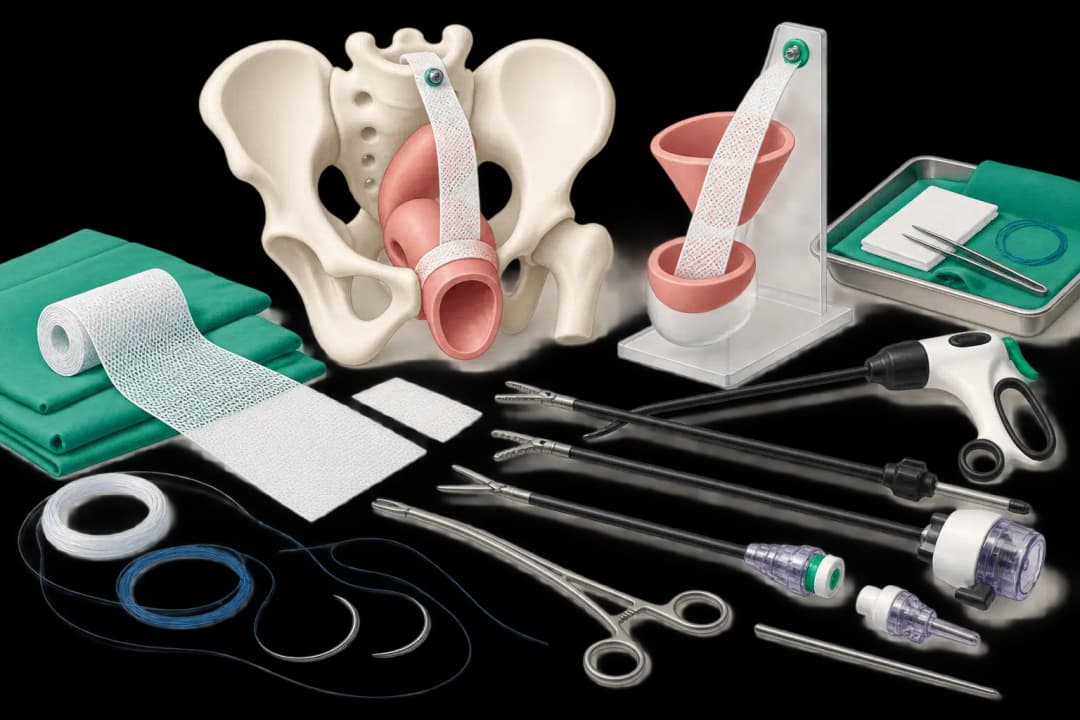
The surgeon uses instruments attached to a robotic system while viewing the pelvis through a camera. Mesh is placed to support the vagina or cervix and attached to strong tissue near the sacrum. The robot does not make decisions or operate independently. Sacrocolpopexy may be considered when prolapse causes pressure, bulging, difficulty emptying the bladder or bowel, or discomfort during activity.
Mesh remains in the body, so ask how it will be positioned and what risks apply to your circumstances. A non-mesh pelvic floor repair is another approach for some people. Read about Pelvic Organ Prolapse and Surgical Mesh before your consultation.
Preparing and recovering
Your team may review medicines, bowel and bladder symptoms, previous operations, smoking, and plans for future pregnancy. Arrange help at home and follow instructions about eating, bathing, walking, wound care, and lifting. Gentle movement is usually encouraged, while strenuous activity and vaginal intercourse wait until your surgeon confirms healing. Recovery varies with the operation and your general health.
Ask whether you need bladder training, pelvic floor physiotherapy, or treatment for constipation. Compare this option with Sacrocolpopexy and Pelvic Floor Repair Surgery so the choice reflects your symptoms, examination findings and goals.
When to seek care
Contact your surgical team promptly for fever, worsening abdominal pain, increasing redness or drainage from an incision, repeated vomiting, difficulty passing urine, heavy vaginal bleeding, or a new vaginal bulge. Seek urgent help for chest pain, severe breathlessness, fainting, or one-sided leg swelling. Follow the discharge plan even when symptoms seem mild.
Questions for your doctor
Which part of my prolapse are you repairing? Why is a robotic approach suitable for me? What mesh material will you use? What alternatives preserve the uterus or avoid mesh? How might this affect urination, bowel function, sex, and future pregnancy? When can I return to work, driving and exercise?
Find care
General Clinics & Polyclinics in Abu Dhabi
That answer is general. If you want it applied to your own case, these are licensed general clinics & polyclinics listed in Abu Dhabi.
27 Ar Ruwwad St - Shakhbout City - MSH4 - Abu Dhabi - United Arab Emirates
Accepts: Daman, Thiqa, Cigna, MetLife +20 more
Al Ruwais, Al Dhafrah
Accepts: Daman, Thiqa, AXA, Cigna +16 more
Al Bahyah - Al Bahyah Old - Abu Dhabi - United Arab Emirates
Accepts: Daman, Thiqa, Cigna, Allianz Care +18 more
Abu Dhabi
Accepts: Daman, Thiqa, AXA, Cigna +27 more
Ordered by verification status and how complete each clinic's public record is, then alphabetically. This is a directory listing, not a ranking — Zavis does not rate or recommend providers.
A factual listing drawn from the DHA, DOH and MOHAP licence registers. It is not a referral, an endorsement, or advice that any of these providers is right for you.
Questions people ask
Is the robot operating by itself?
No. The surgeon controls every movement and uses the camera view to perform the repair.
Is mesh always used?
Sacrocolpopexy commonly uses mesh, but your surgeon should explain the material, alternatives and individual risks.
Related
Related reading
Keep reading
Medical disclaimer. This page is general health information, not medical advice, and it cannot diagnose you. Always consult a licensed healthcare provider about your own symptoms and treatment. In an emergency in the UAE, call 998 for an ambulance.