
What are the reasons for bedwetting?
Short answer
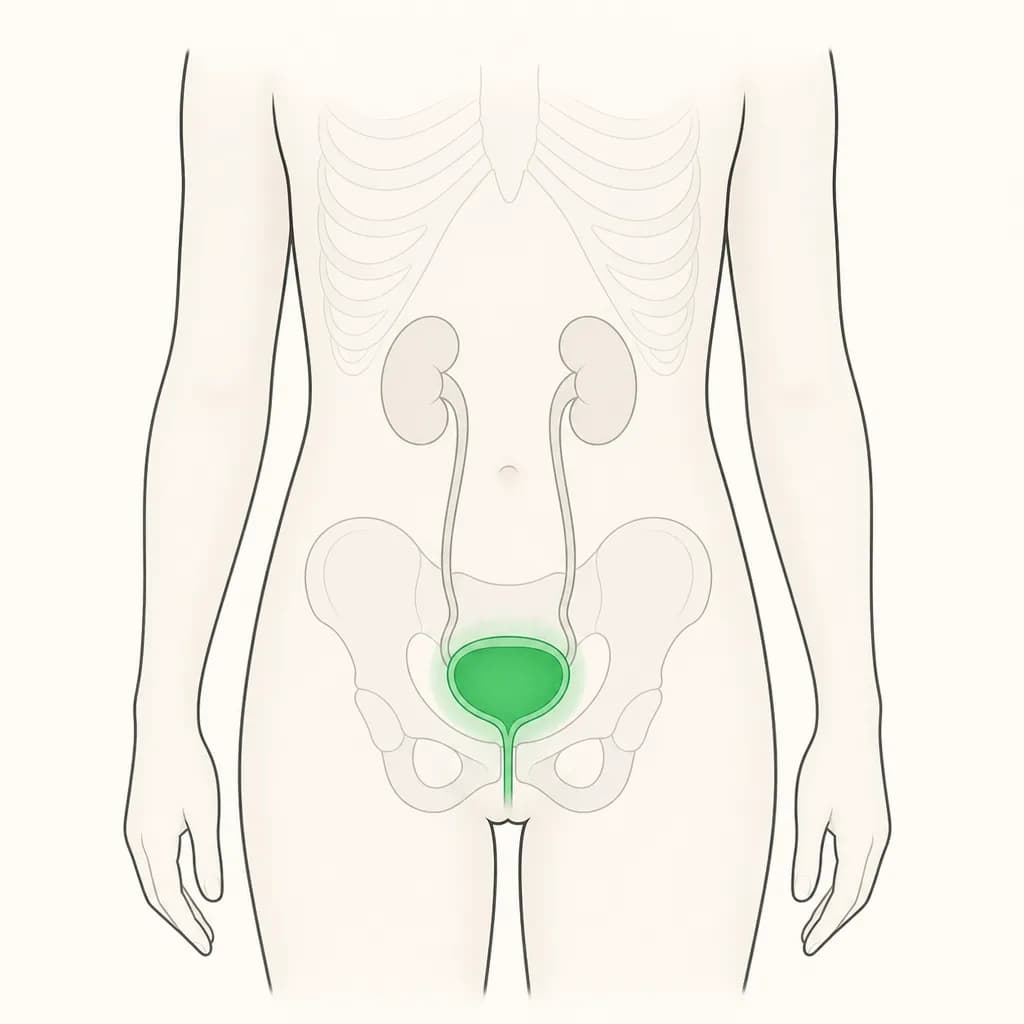
Bedwetting can happen when bladder control is still developing, the bladder fills overnight, sleep is very deep, or an illness affects urine production or control.
This answers one question. It is not a diagnosis and does not replace an assessment by a licensed doctor.
At a glance
- Not deliberate
- Punishment can increase shame and does not improve bladder control
- Useful clue
- Note daytime urinary symptoms, bowel habits and sleep patterns
- Review needed
- New wetting after a sustained dry period
Why wet nights happen
In children, overnight dryness depends on bladder capacity, signals from the brain, and a night-time hormone that reduces urine production. These systems mature at different rates. Constipation can press on the bladder, while stress, changes in routine and drinking close to bedtime may contribute. Bedwetting can return after a period of dryness when a child is unwell or under emotional strain.
New bedwetting may occur with a urinary tract infection, diabetes, or sleep-disordered breathing such as obstructive sleep apnoea. Daytime urgency, pain when passing urine, unusual thirst, weight change, loud snoring or pauses in breathing are useful clues. Bedwetting is not deliberate, so blame and punishment can increase distress.
Supportive steps at home
Offer regular toilet visits during the day and a calm toilet trip before sleep. Keep drinks spread through the day rather than sharply restricting them, and avoid caffeine in the evening. Treat constipation with professional guidance if stools are hard or infrequent. Use a waterproof mattress cover, make the bathroom easy to reach, and praise helpful routines rather than dry nights alone. Do not wake a child repeatedly without a plan from a clinician.
When to seek care
Arrange medical review if bedwetting starts suddenly, returns after sustained dryness, or occurs with daytime wetting, painful urination, fever, cloudy or bloody urine, marked thirst, weight loss, constipation, or snoring with breathing pauses. Seek urgent help if a child seems very unwell, unusually sleepy, vomits repeatedly, or cannot keep fluids down.
Questions for your doctor
Ask whether symptoms suggest constipation, infection, diabetes or a sleep problem; whether a urine test is needed; and which alarm, behavioural plan or treatment fits the person’s age and situation.
Find care
General Clinics & Polyclinics in Abu Dhabi
That answer is general. If you want it applied to your own case, these are licensed general clinics & polyclinics listed in Abu Dhabi.
27 Ar Ruwwad St - Shakhbout City - MSH4 - Abu Dhabi - United Arab Emirates
Accepts: Daman, Thiqa, Cigna, MetLife +20 more
Al Ruwais, Al Dhafrah
Accepts: Daman, Thiqa, AXA, Cigna +16 more
Al Bahyah - Al Bahyah Old - Abu Dhabi - United Arab Emirates
Accepts: Daman, Thiqa, Cigna, Allianz Care +18 more
Abu Dhabi
Accepts: Daman, Thiqa, AXA, Cigna +27 more
Ordered by verification status and how complete each clinic's public record is, then alphabetically. This is a directory listing, not a ranking — Zavis does not rate or recommend providers.
A factual listing drawn from the DHA, DOH and MOHAP licence registers. It is not a referral, an endorsement, or advice that any of these providers is right for you.
Questions people ask
Should I limit all drinks before bed?
No. Keep hydration adequate during the day and avoid large drinks or caffeine close to bedtime with advice suited to the child.
Can constipation cause bedwetting?
Yes. A full bowel can press on the bladder and interfere with storage, so constipation deserves attention when wet nights occur.
Related
Related reading
Keep reading
Medical disclaimer. This page is general health information, not medical advice, and it cannot diagnose you. Always consult a licensed healthcare provider about your own symptoms and treatment. In an emergency in the UAE, call 998 for an ambulance.