
What should you know about radioiodine treatment for hyperthyroidism?
Short answer
Radioiodine treatment for hyperthyroidism gradually reduces overactive thyroid tissue and requires follow-up to check hormone levels afterward.
This answers one question. It is not a diagnosis and does not replace an assessment by a licensed doctor.
At a glance
- Treatment action
- Gradually reduces overactive thyroid tissue
- Effect timing
- Develops over time rather than immediately
- Aftercare
- Thyroid blood-test monitoring
What happens in the body
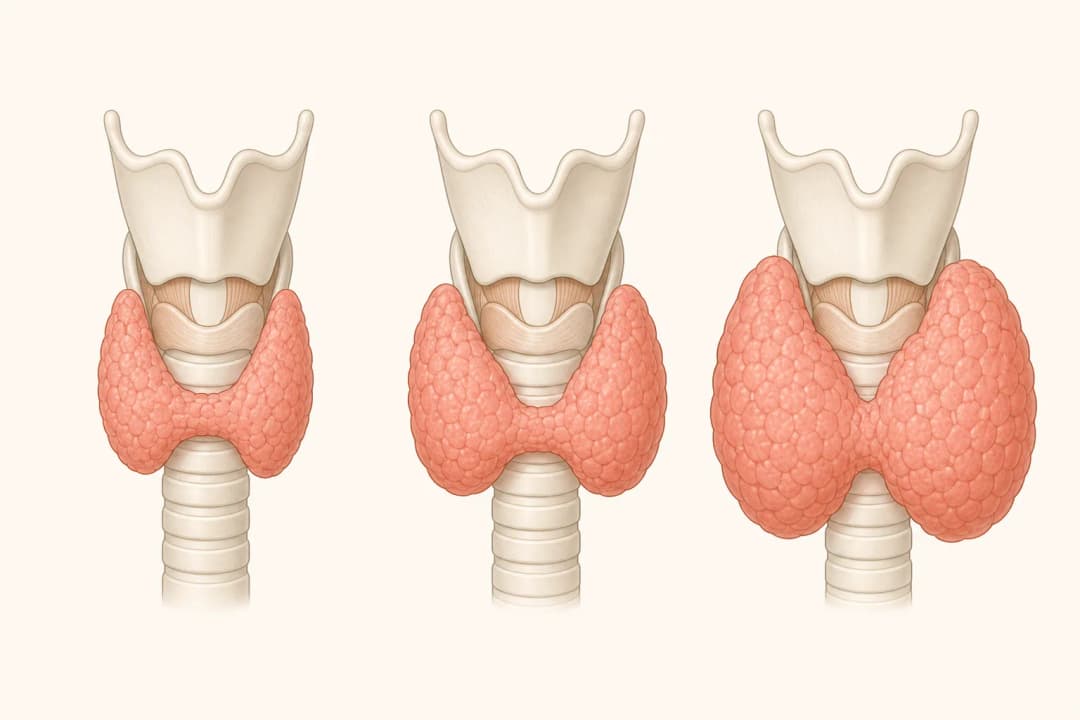
Hyperthyroidism is an overactive thyroid state. After radioiodine is swallowed, thyroid cells take it up more readily than most other tissues. Radiation then reduces those cells over time, which lowers excess hormone production. Your response is assessed with symptoms and blood tests rather than by how you feel on one day.
Hyperthyroidism can present with palpitations, feeling anxious, excessive sweating, heat intolerance, night sweats, difficulty sleeping, or diarrhoea. The treatment decision also considers the underlying cause, current medicines, eye symptoms, pregnancy or breastfeeding, and other medical conditions.
Practical steps around treatment
Before treatment, give the specialist a complete medicine list and mention pregnancy, breastfeeding, and plans for pregnancy. Follow the written instructions about medicine changes, food, travel, hygiene, and temporary distance from other people. Keep children and pregnant people in mind when arranging close contact during the advised precaution period.
Continue monitoring even when symptoms improve. Some people need temporary treatment for symptoms, and thyroid activity can later become low. Only your treating clinician should direct changes to antithyroid or thyroid replacement medicine.
When to seek urgent care
Get urgent medical help for chest pain, fainting, severe breathlessness, confusion, or a persistently very fast or irregular heartbeat. Call your treatment team if symptoms suddenly intensify, you cannot keep fluids or medicines down, or you are unsure whether a contact precaution has been broken.
Questions for your doctor
Ask how radioiodine compares with other options for your diagnosis, when it should begin to work, how eye symptoms affect the plan, what home precautions are required, and how often thyroid tests will be repeated.
Find care
General Clinics & Polyclinics in Abu Dhabi
That answer is general. If you want it applied to your own case, these are licensed general clinics & polyclinics listed in Abu Dhabi.
27 Ar Ruwwad St - Shakhbout City - MSH4 - Abu Dhabi - United Arab Emirates
Accepts: Daman, Thiqa, Cigna, MetLife +20 more
Al Ruwais, Al Dhafrah
Accepts: Daman, Thiqa, AXA, Cigna +16 more
Al Bahyah - Al Bahyah Old - Abu Dhabi - United Arab Emirates
Accepts: Daman, Thiqa, Cigna, Allianz Care +18 more
Abu Dhabi
Accepts: Daman, Thiqa, AXA, Cigna +27 more
Ordered by verification status and how complete each clinic's public record is, then alphabetically. This is a directory listing, not a ranking — Zavis does not rate or recommend providers.
A factual listing drawn from the DHA, DOH and MOHAP licence registers. It is not a referral, an endorsement, or advice that any of these providers is right for you.
Questions people ask
Why are follow-up tests needed after radioiodine?
Thyroid activity can continue changing after treatment, so tests help detect whether hormone levels remain high or become too low.
What symptoms should I report?
Report worsening palpitations, severe sweating, breathing difficulty, fainting, or other sudden changes to your treatment team.
Related
Related reading
Keep reading
Medical disclaimer. This page is general health information, not medical advice, and it cannot diagnose you. Always consult a licensed healthcare provider about your own symptoms and treatment. In an emergency in the UAE, call 998 for an ambulance.