
What should you know about quick constipation relief pregnancy?
Short answer
Quick constipation relief in pregnancy may involve fluids, gradual fibre and movement, with medicines checked by your maternity clinician or pharmacist.
This answers one question. It is not a diagnosis and does not replace an assessment by a licensed doctor.
At a glance
- Start with
- Fluids, gradual fibre and gentle movement
- Check first
- Laxatives, herbs and supplements
- Escalate
- Pain, vomiting, bleeding or inability to pass gas
Why pregnancy can change bowel habits
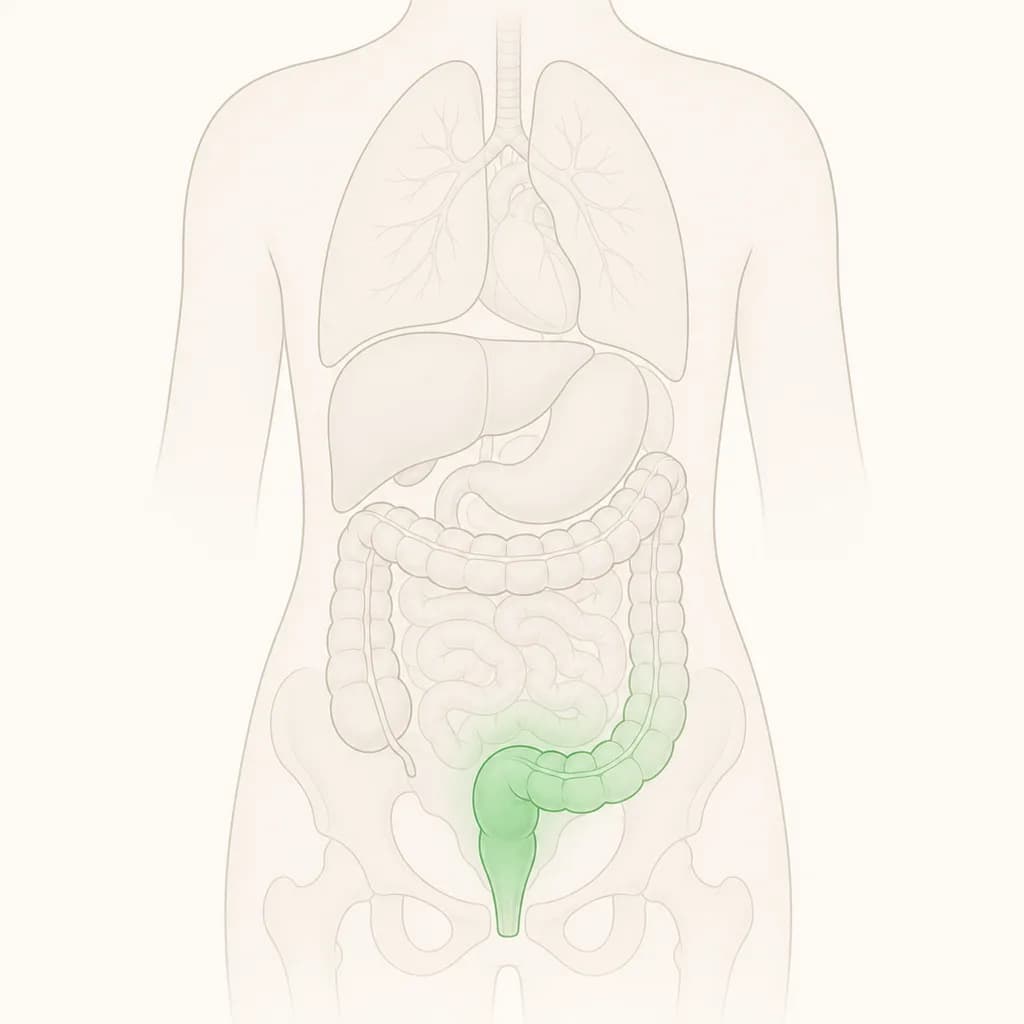
Hormonal changes, reduced activity, pressure from the growing uterus, iron supplements and changes in diet can slow bowel movements during pregnancy. Constipation may involve hard stools, straining or a sense of incomplete emptying. It does not usually harm the baby, but ongoing symptoms can be uncomfortable and may worsen piles. Tell your maternity team if constipation began after a supplement or medicine, because an alternative may be available.
Pregnancy-safe first steps
Drink regularly if you have not been told to limit fluids, increase fibre slowly, and include fruit, vegetables, pulses and whole grains. A gentle walk and a regular, relaxed toilet routine may help. Avoid forceful straining. Before taking a laxative, herbal product or stool softener, check the product with a pharmacist, midwife or doctor; pregnancy and your medical history affect the choice. Nutrition Counselling may help you build a practical eating plan.
When to seek care promptly
Contact your maternity team promptly for severe or persistent abdominal pain, repeated vomiting, vaginal bleeding, fever, a swollen abdomen or inability to pass gas. Seek advice for dizziness, very dark urine or reduced urination, which may indicate Dehydration. Do not assume every abdominal symptom is constipation, particularly later in pregnancy.
Questions for your doctor
Ask whether iron or another medicine is contributing, which fibre or laxative options are suitable for your pregnancy, how long to try them and when to call the maternity team. Mention pain, bleeding, vomiting and your current fluid intake.
Find care
General Clinics & Polyclinics in Abu Dhabi
That answer is general. If you want it applied to your own case, these are licensed general clinics & polyclinics listed in Abu Dhabi.
27 Ar Ruwwad St - Shakhbout City - MSH4 - Abu Dhabi - United Arab Emirates
Accepts: Daman, Thiqa, Cigna, MetLife +20 more
Al Ruwais, Al Dhafrah
Accepts: Daman, Thiqa, AXA, Cigna +16 more
Al Bahyah - Al Bahyah Old - Abu Dhabi - United Arab Emirates
Accepts: Daman, Thiqa, Cigna, Allianz Care +18 more
Abu Dhabi
Accepts: Daman, Thiqa, AXA, Cigna +27 more
Ordered by verification status and how complete each clinic's public record is, then alphabetically. This is a directory listing, not a ranking — Zavis does not rate or recommend providers.
A factual listing drawn from the DHA, DOH and MOHAP licence registers. It is not a referral, an endorsement, or advice that any of these providers is right for you.
Questions people ask
Can I take a laxative while pregnant?
Some options may be used in pregnancy, but the right choice depends on your circumstances. Check with a pharmacist, midwife or doctor first.
Can constipation harm my baby?
Constipation is usually uncomfortable rather than harmful to the baby, but severe or unusual abdominal symptoms need maternity advice.
Related
Related reading
Keep reading
Medical disclaimer. This page is general health information, not medical advice, and it cannot diagnose you. Always consult a licensed healthcare provider about your own symptoms and treatment. In an emergency in the UAE, call 998 for an ambulance.