
What should you know about pulmonary embolism syncope?
Short answer
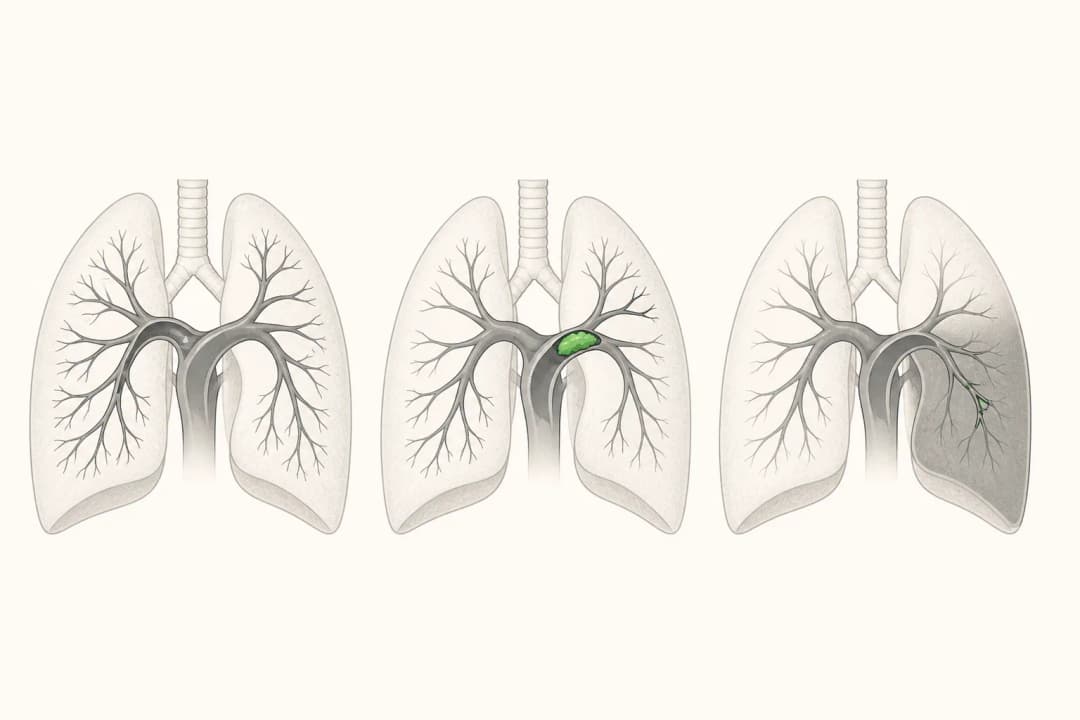
Pulmonary embolism syncope means fainting or near-fainting linked to a blood clot blocking blood flow through the lungs; it needs urgent medical assessment.
This answers one question. It is not a diagnosis and does not replace an assessment by a licensed doctor.
At a glance
- Syncope
- A brief loss of consciousness from temporarily reduced blood flow to the brain.
- Possible warning signs
- Breathlessness, chest pain, fast heartbeat, coughing blood, or one-sided leg swelling.
- Urgency
- Fainting with breathing or chest symptoms needs emergency assessment.
What pulmonary embolism syncope means
Syncope is a brief loss of consciousness caused by temporarily reduced blood flow to the brain. In pulmonary embolism, a clot can obstruct circulation in the lungs and place strain on the heart. This may reduce the amount of blood the heart can move forward, causing sudden light-headedness, collapse, or a feeling that you are about to pass out.
A pulmonary embolism can also present with sudden breathlessness, chest pain that may worsen with breathing, a fast heartbeat, coughing, or coughing up blood. Symptoms vary, and fainting may happen with or without obvious warning. Fainting has many possible causes, so it cannot identify a pulmonary embolism on its own; the combination of symptoms and clinical assessment matters.
What to do after fainting or near-fainting
If fainting occurs with sudden breathing difficulty, chest discomfort, a racing heartbeat, coughing blood, severe weakness, or new confusion, treat it as an emergency. Keep the person lying down, avoid giving food or drink while they are drowsy, and call emergency services. Do not drive yourself if you feel faint or short of breath.
Clinicians may check oxygen levels, heart rhythm, blood pressure, and signs of strain on the heart, then decide whether scans or other tests are needed. Tell them when the episode began, how long recovery took, whether there was injury, and any recent surgery, prolonged immobility, pregnancy, or previous clot.
When to seek urgent care
Call emergency services immediately for fainting with breathlessness, chest pain, blue or grey lips, coughing blood, a very fast or irregular heartbeat, severe dizziness, or collapse that does not resolve promptly. Emergency assessment is also needed when these symptoms appear after a long period of limited movement or alongside one-sided leg swelling and pain.
If the episode has passed but the cause is unexplained, arrange prompt medical review. Until assessed, avoid strenuous activity and do not start, stop, or change blood-thinning medicine without medical advice.
Questions for your doctor
Ask what findings could explain the fainting, whether testing is needed to check for a clot or another heart and circulation problem, and which symptoms should prompt an immediate return to emergency care. If treatment is prescribed, ask how to take it safely, what bleeding symptoms to report, and when follow-up should occur.
Find care
General Clinics & Polyclinics in Abu Dhabi
That answer is general. If you want it applied to your own case, these are licensed general clinics & polyclinics listed in Abu Dhabi.
27 Ar Ruwwad St - Shakhbout City - MSH4 - Abu Dhabi - United Arab Emirates
Accepts: Daman, Thiqa, Cigna, MetLife +20 more
Al Ruwais, Al Dhafrah
Accepts: Daman, Thiqa, AXA, Cigna +16 more
Al Bahyah - Al Bahyah Old - Abu Dhabi - United Arab Emirates
Accepts: Daman, Thiqa, Cigna, Allianz Care +18 more
Abu Dhabi
Accepts: Daman, Thiqa, AXA, Cigna +27 more
Ordered by verification status and how complete each clinic's public record is, then alphabetically. This is a directory listing, not a ranking — Zavis does not rate or recommend providers.
A factual listing drawn from the DHA, DOH and MOHAP licence registers. It is not a referral, an endorsement, or advice that any of these providers is right for you.
Questions people ask
Does fainting confirm a pulmonary embolism?
No. Fainting has several possible causes. When it occurs with sudden breathlessness, chest pain, a fast heartbeat, or coughing blood, emergency assessment is needed to check for pulmonary embolism and other serious problems.
Can pulmonary embolism cause near-fainting without complete loss of consciousness?
Yes. Reduced circulation can cause sudden light-headedness, weakness, blurred awareness, or a feeling of impending collapse without a complete blackout. These symptoms still warrant urgent medical assessment when pulmonary embolism is possible.
Related
Related reading
Keep reading
Medical disclaimer. This page is general health information, not medical advice, and it cannot diagnose you. Always consult a licensed healthcare provider about your own symptoms and treatment. In an emergency in the UAE, call 998 for an ambulance.