
Pulmonary embolism and leg swelling: what to know
Short answer
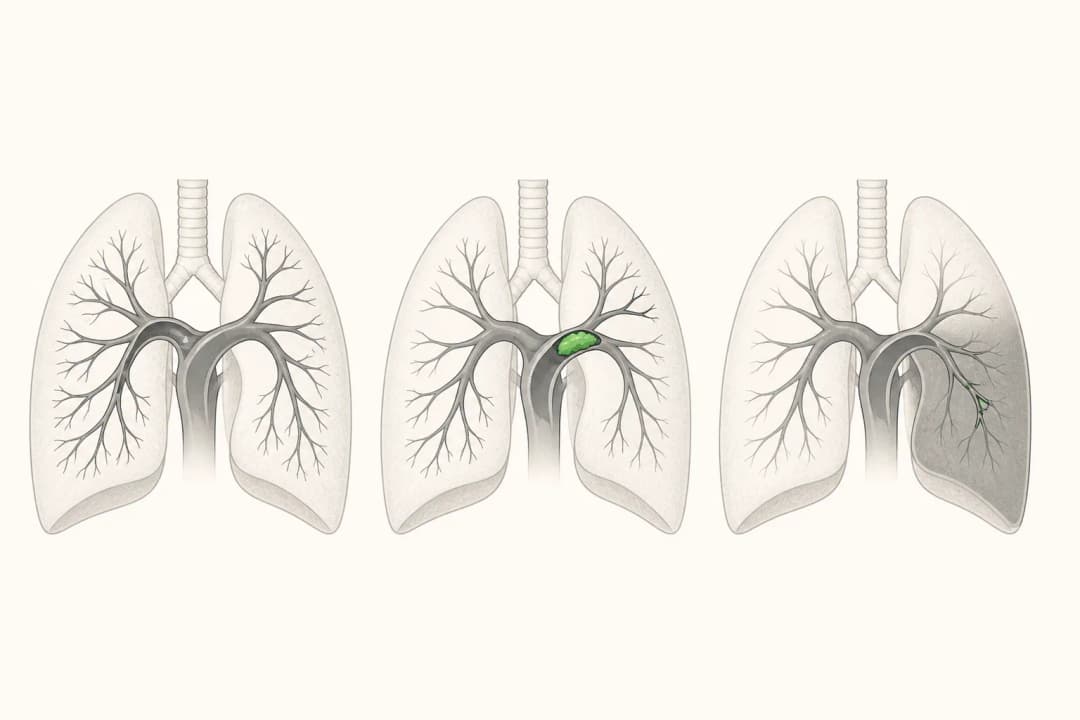
Pulmonary embolism can occur when a blood clot travels to the lungs, and one-sided leg swelling may be a related warning sign.
This answers one question. It is not a diagnosis and does not replace an assessment by a licensed doctor.
At a glance
- Typical concern
- New swelling in one leg, especially with breathlessness or chest pain
- Treatment category
- Anticoagulation may be used after assessment
What leg swelling may mean
A clot often begins in a deep vein of the leg. Swelling may affect one leg and can occur with aching, tenderness, warmth, or a change in colour. Leg swelling alone has many possible causes, so it cannot confirm a pulmonary embolism. Breathlessness, chest pain that worsens when breathing in, a fast heartbeat, coughing blood, or sudden light-headedness may suggest that a clot has reached the lungs.
What to do now
If new one-sided swelling occurs with breathing symptoms or chest discomfort, seek emergency medical help. Do not massage the swollen leg or exercise vigorously while waiting for advice. A clinician may assess your symptoms, examine the leg, and arrange tests based on your overall risk. If pulmonary embolism is diagnosed, treatment commonly includes anticoagulation, which reduces the blood's ability to form or extend clots.
When to seek urgent care
Call emergency services immediately for sudden or severe breathlessness, chest pain, fainting, coughing blood, confusion, or blue-grey lips. Urgent assessment is also sensible for unexplained new swelling in one leg, particularly after prolonged immobility, surgery, pregnancy, or a previous clot. Take prescribed medicines as directed and do not stop an anticoagulant without medical advice.
Questions for your doctor
Could the swelling have a cause other than a clot? Which symptoms should prompt emergency help? Do I need imaging or blood tests? If anticoagulation is prescribed, how should I take it and what bleeding symptoms should I report?
Find care
General Clinics & Polyclinics in Abu Dhabi
That answer is general. If you want it applied to your own case, these are licensed general clinics & polyclinics listed in Abu Dhabi.
27 Ar Ruwwad St - Shakhbout City - MSH4 - Abu Dhabi - United Arab Emirates
Accepts: Daman, Thiqa, Cigna, MetLife +20 more
Al Ruwais, Al Dhafrah
Accepts: Daman, Thiqa, AXA, Cigna +16 more
Al Bahyah - Al Bahyah Old - Abu Dhabi - United Arab Emirates
Accepts: Daman, Thiqa, Cigna, Allianz Care +18 more
Abu Dhabi
Accepts: Daman, Thiqa, AXA, Cigna +27 more
Ordered by verification status and how complete each clinic's public record is, then alphabetically. This is a directory listing, not a ranking — Zavis does not rate or recommend providers.
A factual listing drawn from the DHA, DOH and MOHAP licence registers. It is not a referral, an endorsement, or advice that any of these providers is right for you.
Questions people ask
Does leg swelling prove a pulmonary embolism?
No. Swelling has several possible causes, and examination and testing are needed.
Can pulmonary embolism happen without leg swelling?
Yes. A person may have lung symptoms without noticing leg changes.
Related
Related reading
Keep reading
Medical disclaimer. This page is general health information, not medical advice, and it cannot diagnose you. Always consult a licensed healthcare provider about your own symptoms and treatment. In an emergency in the UAE, call 998 for an ambulance.