
What should you know about progesterone for heavy periods?
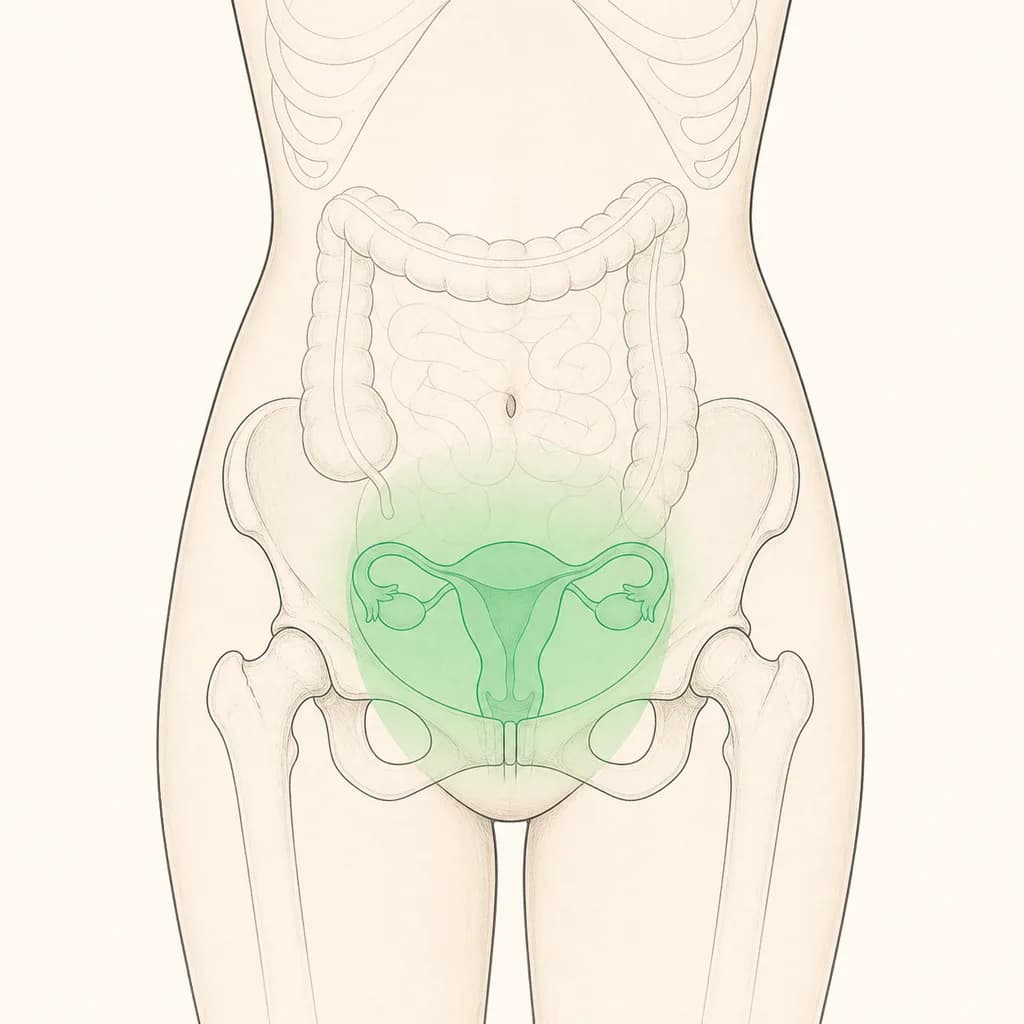
Short answer
Progesterone can reduce heavy periods for some people by changing the womb lining, but the right treatment depends on the cause of bleeding and your health history.
This answers one question. It is not a diagnosis and does not replace an assessment by a licensed doctor.
At a glance
- Action
- Progesterone changes the womb lining and may reduce menstrual blood loss.
- Investigation
- Persistent heavy bleeding may need examination, blood tests or imaging.
How it may help
Progesterone or a progestogen can limit the build-up of the womb lining and may make bleeding lighter or more predictable. It can be prescribed as tablets, part of a hormonal intrauterine system, or another schedule. Spotting, mood changes, breast tenderness or bloating can occur, particularly after starting or changing treatment. Benefits and unwanted effects should be reviewed rather than judged from a single cycle.
Heavy periods can also be linked with uterine fibroids, adenomyosis, endometrial polyps, endometrial hyperplasia, perimenopause or polycystic ovary syndrome. Blood loss may contribute to iron deficiency anaemia. Finding the cause matters because progesterone may not address every source of bleeding.
Steps before treatment
Tell your clinician how often you change protection, whether bleeding interrupts sleep or daily activities, and whether you have pain, bleeding between periods or after sex. Bring your medicine list and describe pregnancy plans. Take treatment on the agreed schedule and keep a bleeding diary. Ask whether blood tests, an examination or imaging is needed to investigate the cause.
When to seek care
Arrange an appointment for heavy bleeding that is new, persistent or affecting your life. Seek urgent help if bleeding is rapidly soaking protection, or if it comes with faintness, breathlessness, chest discomfort, severe weakness or severe pelvic pain. Bleeding during pregnancy or after menopause also needs prompt medical assessment.
Questions for your clinician
Ask which cause is most likely based on your symptoms, why progesterone is suitable, how it will be taken, what bleeding changes are expected, and when to return if it does not help. Discuss alternatives and fertility plans if relevant.
Find care
General Clinics & Polyclinics in Abu Dhabi
That answer is general. If you want it applied to your own case, these are licensed general clinics & polyclinics listed in Abu Dhabi.
27 Ar Ruwwad St - Shakhbout City - MSH4 - Abu Dhabi - United Arab Emirates
Accepts: Daman, Thiqa, Cigna, MetLife +20 more
Al Ruwais, Al Dhafrah
Accepts: Daman, Thiqa, AXA, Cigna +16 more
Al Bahyah - Al Bahyah Old - Abu Dhabi - United Arab Emirates
Accepts: Daman, Thiqa, Cigna, Allianz Care +18 more
Abu Dhabi
Accepts: Daman, Thiqa, AXA, Cigna +27 more
Ordered by verification status and how complete each clinic's public record is, then alphabetically. This is a directory listing, not a ranking — Zavis does not rate or recommend providers.
A factual listing drawn from the DHA, DOH and MOHAP licence registers. It is not a referral, an endorsement, or advice that any of these providers is right for you.
Questions people ask
Will progesterone work for every cause of heavy periods?
No. Conditions such as fibroids or adenomyosis may need additional or different treatment.
Can heavy periods cause anaemia?
Ongoing blood loss can contribute to iron deficiency anaemia, which a clinician can assess and treat.
Related
Related reading
Keep reading
Medical disclaimer. This page is general health information, not medical advice, and it cannot diagnose you. Always consult a licensed healthcare provider about your own symptoms and treatment. In an emergency in the UAE, call 998 for an ambulance.