
Post-natal constipation: what should you know?
Short answer
Post-natal constipation is common and can improve with fluids, fibre, gentle movement and suitable treatment.
This answers one question. It is not a diagnosis and does not replace an assessment by a licensed doctor.
At a glance
- Common contributors
- Low activity, dehydration, iron tablets, pain and changed routines
- Helpful first steps
- Regular fluids, gradual fibre, gentle walking and comfortable toileting
The short answer
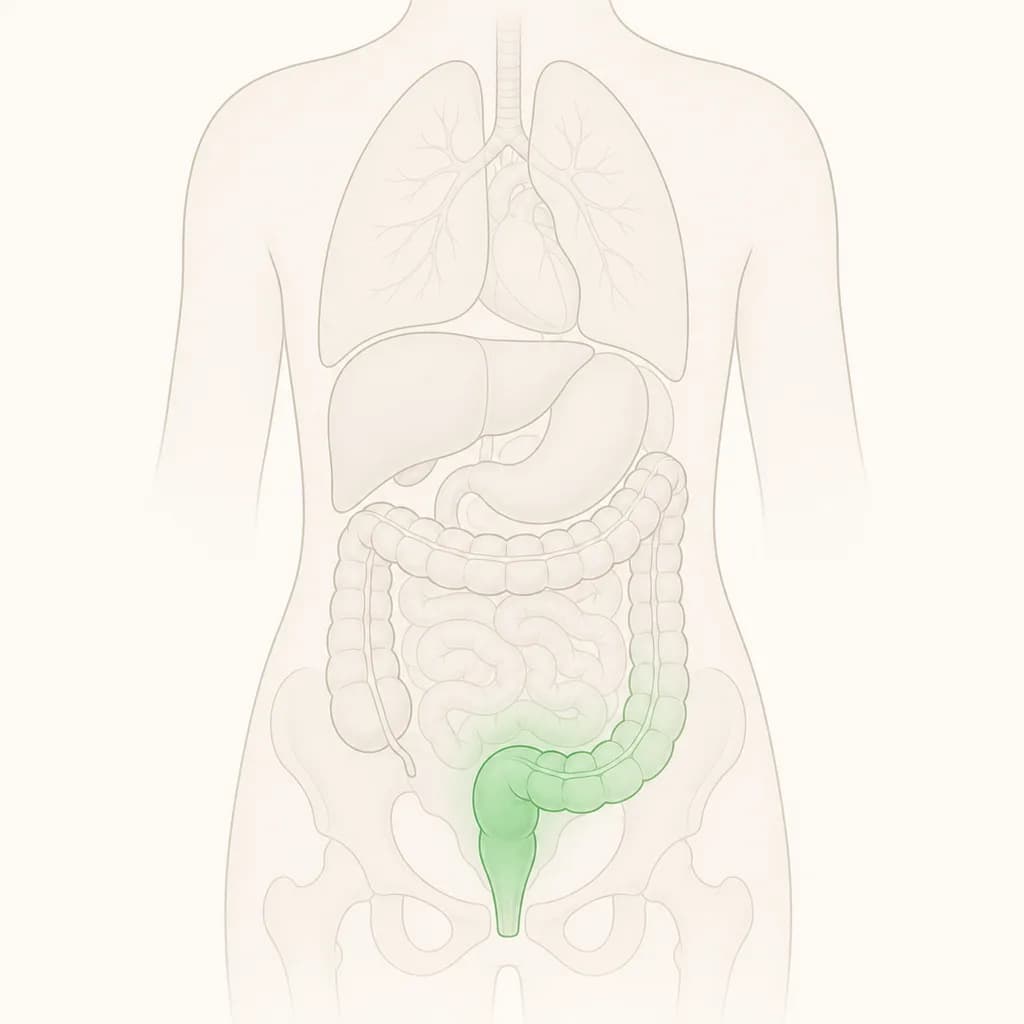
Post-natal constipation is common and can improve with fluids, fibre, gentle movement and suitable treatment. Bowel movements may be affected by reduced activity, changes in routine, pain, iron tablets, dehydration or fear of straining after stitches. Recovery differs after vaginal birth and caesarean birth.
What it can feel like
Constipation may mean passing hard stools, going less often than usual, straining, bloating or feeling that the bowel has not emptied. It can occur while you are recovering from birth, especially when food, sleep and toileting routines are unsettled. Read more about [Constipation](/symptoms/constipation/). Persistent symptoms can also need assessment for problems such as [Dehydration](/conditions/dehydration/) or an underactive thyroid called [Hypothyroidism](/conditions/hypothyroidism/).
What you can do
Drink regularly unless a clinician has advised fluid restriction. Add fibre gradually through fruit, vegetables, whole grains and pulses, and take short walks when your body allows. Respond to the urge to open your bowels; a footstool may make positioning more comfortable. Do not stop prescribed iron or pain medicine without advice. A pharmacist, midwife or doctor can recommend a stool softener or laxative compatible with breastfeeding and your recovery. [Nutrition Counselling](/treatments/lifestyle-and-wellness/nutrition-counselling/) may help if food choices are difficult.
When to seek care
Seek prompt medical advice for severe or worsening abdominal pain, repeated vomiting, a swollen abdomen, inability to pass gas, heavy rectal bleeding, fever, or feeling faint. Contact your maternity team if constipation is painful around a tear, episiotomy or caesarean wound, or if it is not improving with simple measures. A clinician can check medicines, hydration and other causes, including [Irritable Bowel Syndrome](/conditions/irritable-bowel-syndrome/) or [Diverticular Disease](/conditions/diverticular-disease/).
Questions for your doctor
Ask which bowel medicine is suitable while breastfeeding, whether iron treatment can be adjusted, how much fluid is appropriate for you, and whether your wound or pain relief could be making stool harder.
Find care
General Clinics & Polyclinics in Abu Dhabi
That answer is general. If you want it applied to your own case, these are licensed general clinics & polyclinics listed in Abu Dhabi.
27 Ar Ruwwad St - Shakhbout City - MSH4 - Abu Dhabi - United Arab Emirates
Accepts: Daman, Thiqa, Cigna, MetLife +20 more
Al Ruwais, Al Dhafrah
Accepts: Daman, Thiqa, AXA, Cigna +16 more
Al Bahyah - Al Bahyah Old - Abu Dhabi - United Arab Emirates
Accepts: Daman, Thiqa, Cigna, Allianz Care +18 more
Abu Dhabi
Accepts: Daman, Thiqa, AXA, Cigna +27 more
Ordered by verification status and how complete each clinic's public record is, then alphabetically. This is a directory listing, not a ranking — Zavis does not rate or recommend providers.
A factual listing drawn from the DHA, DOH and MOHAP licence registers. It is not a referral, an endorsement, or advice that any of these providers is right for you.
Questions people ask
Can straining damage post-birth stitches?
Straining can be uncomfortable, so keeping stools soft and asking for treatment early may make bowel movements easier. Seek advice if wound pain is increasing.
When should I ask for a laxative?
Ask a pharmacist, midwife or doctor when constipation is painful, persistent or not settling with fluids, fibre and movement.
Related
Related reading
Keep reading
Medical disclaimer. This page is general health information, not medical advice, and it cannot diagnose you. Always consult a licensed healthcare provider about your own symptoms and treatment. In an emergency in the UAE, call 998 for an ambulance.