
What should you know about pinning a broken hip?
Short answer
Pinning a broken hip uses screws or other fixation to hold selected fracture pieces in position while the bone heals.
This answers one question. It is not a diagnosis and does not replace an assessment by a licensed doctor.
At a glance
- Purpose
- Stabilise selected fracture pieces
- After surgery
- Follow the prescribed weight-bearing level
- Recovery support
- Rehabilitation builds safe movement and strength
How pinning fits the treatment
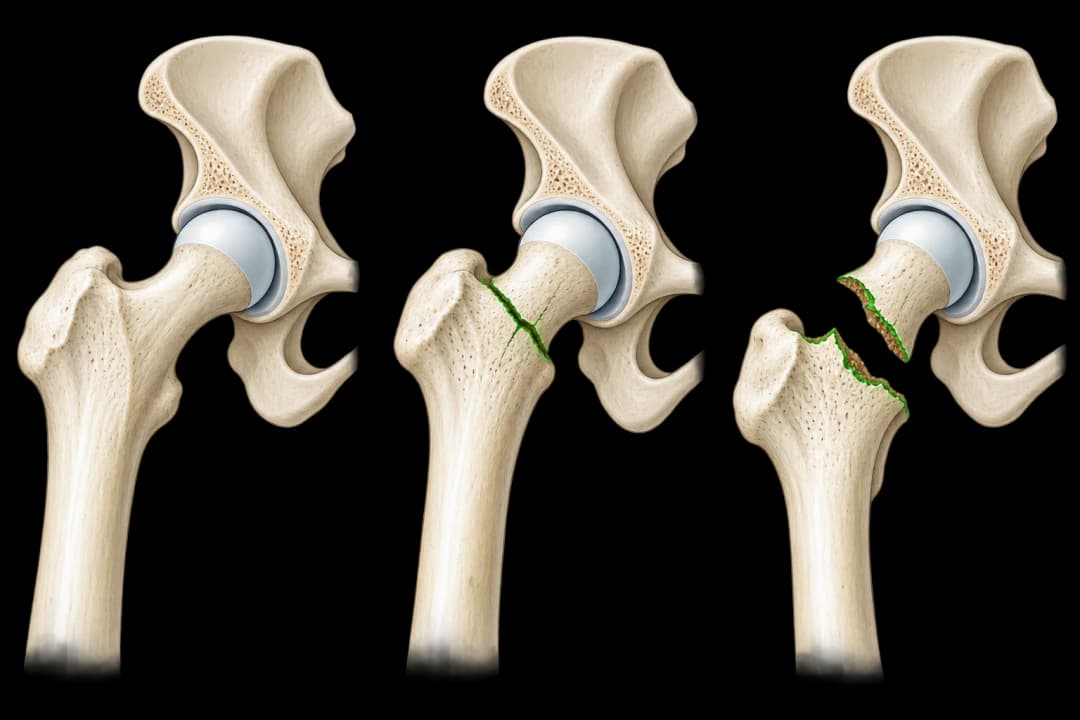
A hip fracture can occur in different parts of the upper thigh bone, and the fracture location, bone quality, alignment, and general health influence the operation chosen. During hip fracture surgery, the surgeon may place screws, pins, or a plate to stabilise suitable fracture pieces. Some injuries need a different reconstruction rather than pinning. The aim is to restore a stable hip that can be loaded according to the surgical plan.
After surgery, pain control, wound care, blood-clot prevention, and safe movement are considered together. Weight-bearing instructions can differ, so do not copy another person’s walking plan.
Preparing for recovery
Use the walking aid and weight-bearing level prescribed by the team. Keep the wound clean and follow instructions about bathing, medicines, and follow-up. Post-Operative Rehabilitation may include transfers, strengthening, balance work, and stair practice, progressing as healing allows. A review of falls, nutrition, bone health, and medicines may help reduce future fracture risk; Bisphosphonate Therapy is one treatment a clinician may discuss when appropriate.
When to seek care
Seek urgent medical help for sudden breathlessness, chest pain, fainting, or a new painful swollen calf. Contact the surgical team promptly for fever, increasing wound redness or drainage, worsening pain, a new leg-length or rotation change, or inability to bear the permitted weight. A new fall also needs assessment even if the wound looks unchanged.
Questions for your doctor
Ask which part of the hip is fractured, why pinning is suitable, and what other operations were considered. Clarify weight-bearing limits, wound warning signs, follow-up imaging, driving and home-safety advice, and when rehabilitation goals should be reviewed.
Find care
General Clinics & Polyclinics in Abu Dhabi
That answer is general. If you want it applied to your own case, these are licensed general clinics & polyclinics listed in Abu Dhabi.
27 Ar Ruwwad St - Shakhbout City - MSH4 - Abu Dhabi - United Arab Emirates
Accepts: Daman, Thiqa, Cigna, MetLife +20 more
Al Ruwais, Al Dhafrah
Accepts: Daman, Thiqa, AXA, Cigna +16 more
Al Bahyah - Al Bahyah Old - Abu Dhabi - United Arab Emirates
Accepts: Daman, Thiqa, Cigna, Allianz Care +18 more
Abu Dhabi
Accepts: Daman, Thiqa, AXA, Cigna +27 more
Ordered by verification status and how complete each clinic's public record is, then alphabetically. This is a directory listing, not a ranking — Zavis does not rate or recommend providers.
A factual listing drawn from the DHA, DOH and MOHAP licence registers. It is not a referral, an endorsement, or advice that any of these providers is right for you.
Questions people ask
Can everyone with a broken hip have pinning?
No. The fracture’s location, alignment, blood supply, bone quality, and overall health affect the recommended operation.
When does rehabilitation start after hip pinning?
It commonly begins in hospital with safe movement and transfers, then progresses according to the surgical team’s instructions.
Related
Related reading
Keep reading
Medical disclaimer. This page is general health information, not medical advice, and it cannot diagnose you. Always consult a licensed healthcare provider about your own symptoms and treatment. In an emergency in the UAE, call 998 for an ambulance.