
Pet allergy relief: practical ways to ease symptoms
Short answer
Pet allergy relief usually combines reducing contact with allergen particles, treating symptoms, and checking whether another condition is contributing.
This answers one question. It is not a diagnosis and does not replace an assessment by a licensed doctor.
At a glance
- Common triggers
- Proteins from skin flakes, saliva, or urine
- Useful focus
- Reduce exposure and treat the symptoms you actually have
- Review needed
- Persistent, sleep-disrupting, or breathing symptoms
What pet allergy relief involves
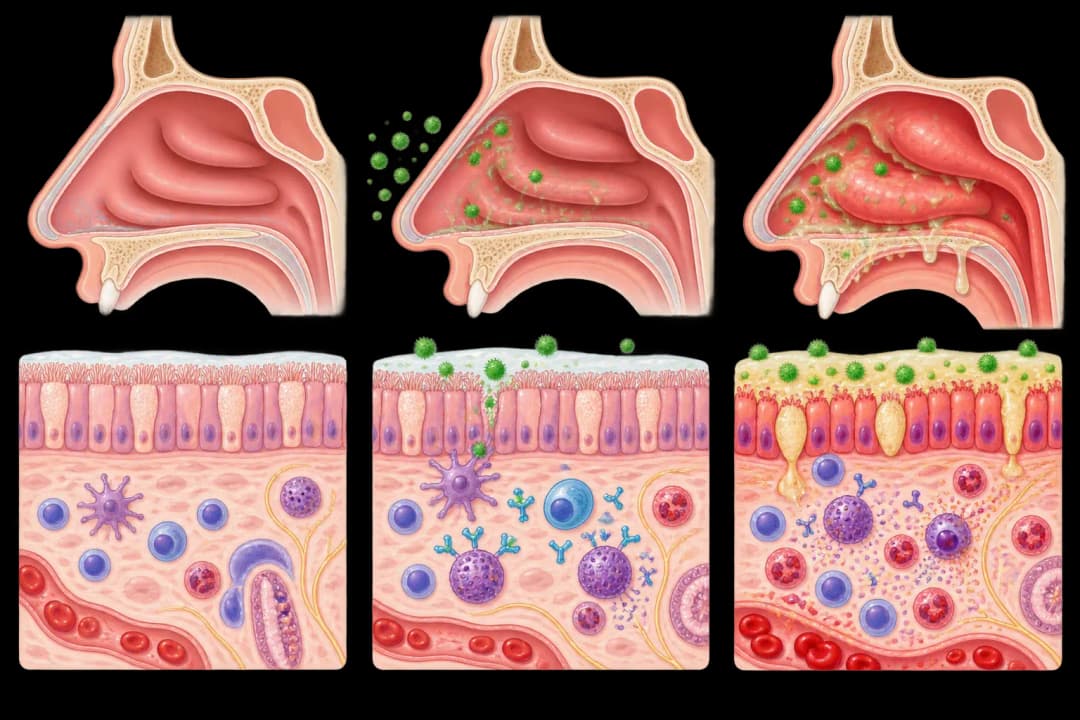
Pet allergy is often triggered by proteins in skin flakes, saliva, or urine rather than by fur itself. Particles can stay on clothing, furniture, carpets, and bedding, so symptoms may continue after an animal has left the room. Sneezing, a runny nose, and itchy eyes can occur after exposure; breathing symptoms need particular attention, especially if you have asthma.
The pattern matters. Symptoms that repeatedly appear around a particular animal may support an allergy, but similar complaints can come from dust, mould, infection, or irritation. Allergy testing can help identify the trigger when the history is unclear.
Steps that may help
Keep the pet out of the bedroom, wash hands after touching it, and avoid touching your face before washing. Clean soft furnishings regularly, use ventilation where practical, and ask someone without symptoms to groom the animal. These steps reduce exposure but may not remove every allergen.
A clinician or pharmacist can discuss allergy medication suited to your symptoms, such as treatment for nasal or eye complaints. Do not start, stop, or combine medicines without checking directions, particularly for a child, during pregnancy, or when you have another medical condition.
When to seek care
Arrange a medical review if symptoms persist despite avoiding exposure, disturb sleep, interfere with work, or keep returning. Seek urgent help for severe breathing difficulty, rapidly worsening wheezing, swelling of the lips or tongue, faintness, or trouble speaking in full sentences.
Questions for your doctor
Ask whether your pattern fits pet allergy, whether testing is useful, which symptoms need treatment, and how to manage exposure if the pet lives in your home.
Find care
General Clinics & Polyclinics in Abu Dhabi
That answer is general. If you want it applied to your own case, these are licensed general clinics & polyclinics listed in Abu Dhabi.
27 Ar Ruwwad St - Shakhbout City - MSH4 - Abu Dhabi - United Arab Emirates
Accepts: Daman, Thiqa, Cigna, MetLife +20 more
Al Ruwais, Al Dhafrah
Accepts: Daman, Thiqa, AXA, Cigna +16 more
Al Bahyah - Al Bahyah Old - Abu Dhabi - United Arab Emirates
Accepts: Daman, Thiqa, Cigna, Allianz Care +18 more
Abu Dhabi
Accepts: Daman, Thiqa, AXA, Cigna +27 more
Ordered by verification status and how complete each clinic's public record is, then alphabetically. This is a directory listing, not a ranking — Zavis does not rate or recommend providers.
A factual listing drawn from the DHA, DOH and MOHAP licence registers. It is not a referral, an endorsement, or advice that any of these providers is right for you.
Questions people ask
Can pet allergy relief work without giving away a pet?
Many people begin with bedroom exclusion, hand washing, cleaning, and a personalised treatment plan. A clinician can help weigh symptoms, exposure, and other options.
Why do symptoms continue after leaving the room?
Allergen particles can remain on fabrics, surfaces, and clothing. Cleaning and changing clothes may reduce continued contact, although symptoms can take time to settle.
Related
Related reading
Keep reading
Medical disclaimer. This page is general health information, not medical advice, and it cannot diagnose you. Always consult a licensed healthcare provider about your own symptoms and treatment. In an emergency in the UAE, call 998 for an ambulance.