
Pet Allergy
At a glance
- Trigger source
- Proteins in dander, saliva and urine
- Common areas affected
- Eyes, nose, skin and airways
- Home priority
- Keep the bedroom lower exposure
What triggers a pet allergy
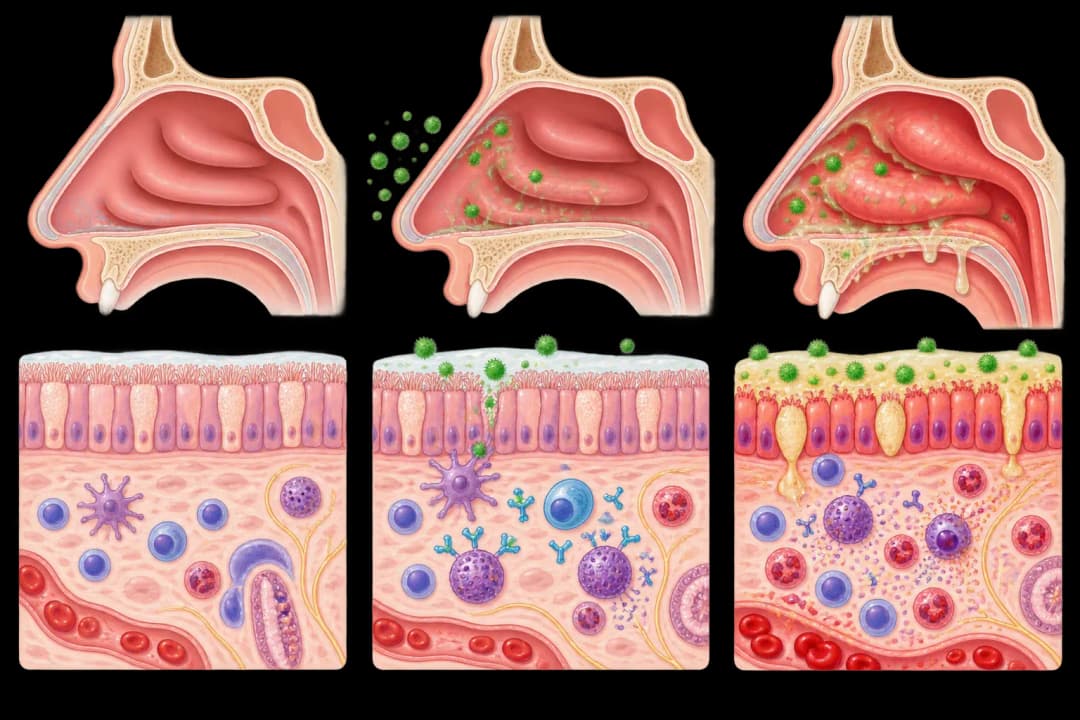
Pet allergy is an immune reaction to proteins shed by animals, often affecting the eyes, nose or airways.
The proteins may be found in skin flakes, saliva, urine and material carried on fur. Fur itself is not usually the allergen, but it can hold and spread these particles through a home, car or clothing.
Typical reactions
Itchy eyes, a runny nose and sneezing are very common presentations of pet allergy. Symptoms can start during exposure or after time in a place where allergen has collected.
Some people also have a blocked nose, cough, facial pressure, hives after direct contact, or worsening wheeze if they have asthma. Seek urgent help for significant breathing difficulty, throat swelling, faintness or rapidly spreading swelling.
How exposure causes symptoms
In an allergy, the immune system treats a normally harmless animal protein as a threat. Contact or inhalation can then lead to release of chemicals that irritate the lining of the eyes, nose, skin or airways. Cats and dogs are common triggers, but other furry or feathered animals can also cause reactions.
Patterns over time
Symptoms can fluctuate with the amount of allergen in the environment and with other irritants such as smoke or dust. Allergen can remain on furnishings and clothing after an animal has left the room, so symptoms do not always stop immediately. Repeated nasal symptoms can disturb sleep and concentration.
Factors that may matter
People with allergic rhinitis, eczema or asthma may notice stronger effects from animal exposure. A history of allergies in close relatives can be relevant, but a reaction should be assessed by its own pattern rather than assumed from family history alone.
Confirming the trigger
A clinician will ask about symptoms, animal contact, home environment and asthma history. Skin-prick testing or a blood test for allergen-specific antibodies may support the diagnosis alongside that history. A positive test alone does not prove that an animal is causing symptoms; it is interpreted with the exposure pattern.
Reducing exposure and easing symptoms
Treatment commonly combines exposure reduction with medicines chosen for the symptoms. Options can include antihistamines, nasal treatments or eye drops; inhalers may be needed when asthma is involved. Allergy treatment should be selected with a clinician or pharmacist, especially for persistent symptoms, pregnancy, children or other health conditions.
Making a home plan
Choose a bedroom as the priority low-exposure space and avoid allowing the pet onto bedding or upholstered furniture where possible. Ask household members to share cleaning tasks if direct contact triggers symptoms. Change clothes after close contact when symptoms commonly follow it, and keep prescribed relief medicines available as advised.
When symptoms need closer review
Ongoing nasal inflammation can affect sleep, while repeated eye rubbing can irritate the skin around the eyes. Pet exposure can also aggravate asthma in sensitive people. Arrange medical review for recurrent wheeze, chest tightness, night-time cough or symptoms that continue despite avoiding the suspected trigger.
Planning around contact
Before visiting a home with animals, discuss practical arrangements with the host, such as meeting outdoors or using a room kept free of pets. Regular cleaning and good hand hygiene can help reduce exposure. No breed can be assumed to be free of allergen, because allergenic proteins are produced by the animal.
Who can advise
A primary-care clinician can assess symptoms and initial treatment. Referral to an allergy specialist may be useful when the trigger remains unclear, asthma is affected, symptoms are difficult to control, or testing needs specialist interpretation.
Questions people ask
Are pet allergies caused by fur?
The allergic trigger is usually protein from the animal. Fur can carry those proteins and distribute them around the environment.
Can symptoms persist after leaving a pet?
Yes. Allergen may remain on clothing, furniture and surfaces, so symptoms can continue after direct contact ends.
Related
Related reading
Keep reading
Find care
General Clinics & Polyclinics in Abu Dhabi
Where pet allergy is assessed depends on what is causing it. These are licensed general clinics & polyclinics listed in Abu Dhabi.
27 Ar Ruwwad St - Shakhbout City - MSH4 - Abu Dhabi - United Arab Emirates
Accepts: Daman, Thiqa, Cigna, MetLife +20 more
Al Ruwais, Al Dhafrah
Accepts: Daman, Thiqa, AXA, Cigna +16 more
Al Bahyah - Al Bahyah Old - Abu Dhabi - United Arab Emirates
Accepts: Daman, Thiqa, Cigna, Allianz Care +18 more
Abu Dhabi
Accepts: Daman, Thiqa, AXA, Cigna +27 more
Ordered by verification status and how complete each clinic's public record is, then alphabetically. This is a directory listing, not a ranking — Zavis does not rate or recommend providers.
A factual listing drawn from the DHA, DOH and MOHAP licence registers. It is not a referral, an endorsement, or advice that any of these providers is right for you.
Medical disclaimer. This page is general health information, not medical advice, and it cannot diagnose you. Always consult a licensed healthcare provider about your own symptoms and treatment. In an emergency in the UAE, call 998 for an ambulance.