
What should you know about oedema after delivery?
Short answer
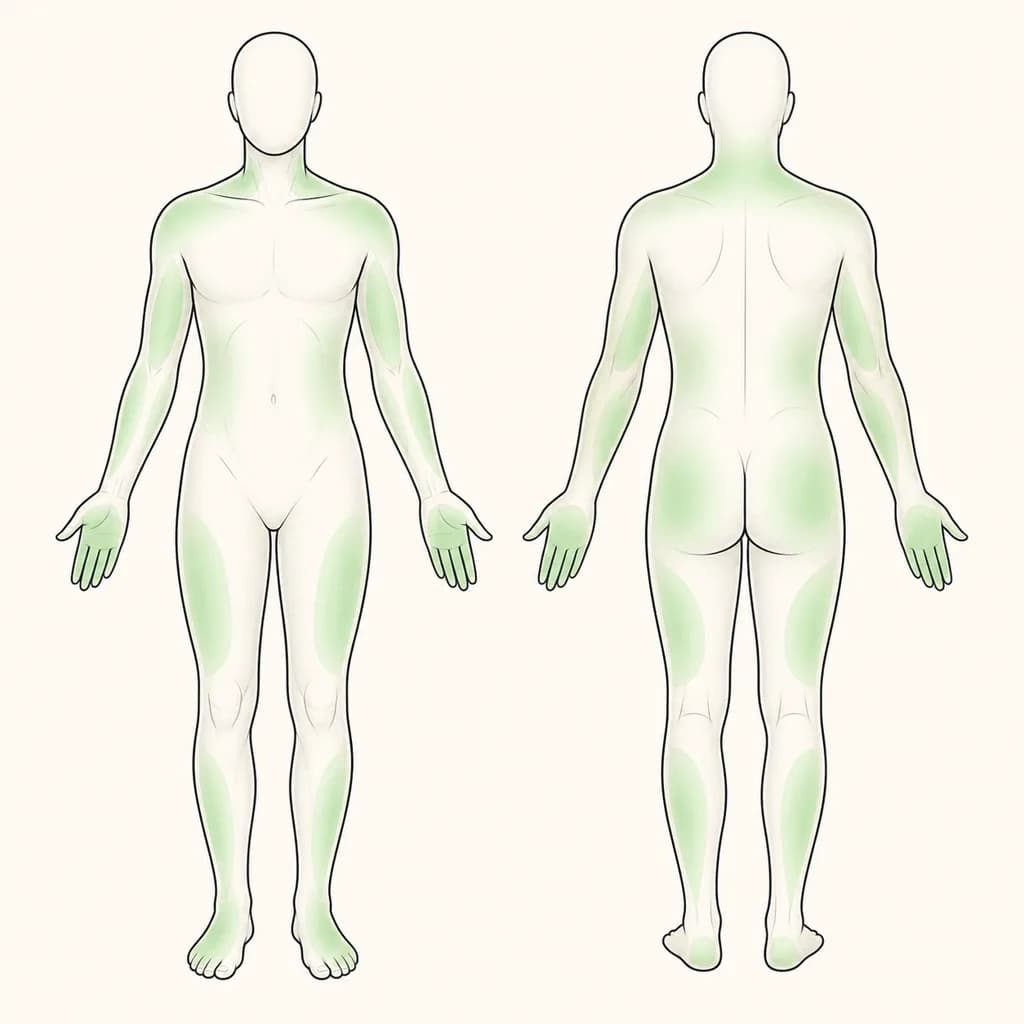
Oedema after delivery often affects the feet, ankles, hands, or face as the body shifts fluid, but sudden, one-sided, painful, or worsening swelling needs prompt medical assessment.
This answers one question. It is not a diagnosis and does not replace an assessment by a licensed doctor.
At a glance
- Common areas
- Feet and ankles, sometimes hands or face
- Helpful measures
- Gentle movement, leg elevation, and comfortable clothing
- Urgent clues
- Breathlessness, severe headache, one-sided pain, or facial swelling
What it means
Pregnancy-related fluid changes, intravenous fluids during labour, hormonal shifts, and reduced movement can leave extra fluid in the tissues after birth. Gravity often makes swelling more noticeable in the feet and ankles, especially later in the day. It should gradually ease as the body restores its fluid balance, although the pattern varies.
Swelling is not always a simple postpartum change. A warm, red, tender area may suggest cellulitis; itchy swelling with wheals may fit hives; swelling of the lips or tongue can be angioedema. New headache, visual change, upper abdominal pain, breathlessness, or high blood pressure can indicate a postpartum emergency and should not be dismissed as ordinary oedema.
What to do next
Move gently as able, avoid standing still for long periods, and raise swollen legs when resting. Comfortable footwear, loose clothing, and normal hydration may help. Do not take water tablets, herbal remedies, or anti-inflammatory medicine for swelling unless your clinician says they are suitable, particularly if you are breastfeeding or have another medical condition.
Check both sides and notice whether the swelling changes with rest. Contact your maternity team or doctor if it is not easing, is becoming more uncomfortable, or appears mainly on one side. Mention blood-pressure concerns, delivery complications, intravenous treatment, and any new medicine.
When to seek care
Seek emergency care for breathlessness, chest pain, coughing blood, faintness, or sudden swelling of the face, lips, tongue, or throat. Get urgent maternity advice for severe headache, visual disturbance, confusion, upper abdominal pain, or rapidly increasing swelling. A painful, hot, red one-sided leg or swelling with fever also needs prompt assessment.
Questions for your doctor
Ask whether your blood pressure, urine, heart, and circulation need checking; what pattern of swelling is expected for you; and which medicines are safe. Ask how to monitor one-sided swelling, redness, pain, headache, or breathing symptoms at home.
Find care
General Clinics & Polyclinics in Abu Dhabi
That answer is general. If you want it applied to your own case, these are licensed general clinics & polyclinics listed in Abu Dhabi.
27 Ar Ruwwad St - Shakhbout City - MSH4 - Abu Dhabi - United Arab Emirates
Accepts: Daman, Thiqa, Cigna, MetLife +20 more
Al Ruwais, Al Dhafrah
Accepts: Daman, Thiqa, AXA, Cigna +16 more
Al Bahyah - Al Bahyah Old - Abu Dhabi - United Arab Emirates
Accepts: Daman, Thiqa, Cigna, Allianz Care +18 more
Abu Dhabi
Accepts: Daman, Thiqa, AXA, Cigna +27 more
Ordered by verification status and how complete each clinic's public record is, then alphabetically. This is a directory listing, not a ranking — Zavis does not rate or recommend providers.
A factual listing drawn from the DHA, DOH and MOHAP licence registers. It is not a referral, an endorsement, or advice that any of these providers is right for you.
Questions people ask
Is swelling after birth always normal?
Mild, fairly even swelling can follow fluid changes, but sudden, one-sided, painful, or worsening swelling needs medical review.
Can I take a diuretic for postpartum oedema?
Do not start a diuretic or herbal remedy without advice; the cause and your postpartum circumstances should be assessed first.
Related
Related reading
Keep reading
Medical disclaimer. This page is general health information, not medical advice, and it cannot diagnose you. Always consult a licensed healthcare provider about your own symptoms and treatment. In an emergency in the UAE, call 998 for an ambulance.