
What should you know about normal A1C for type 2 diabetes?
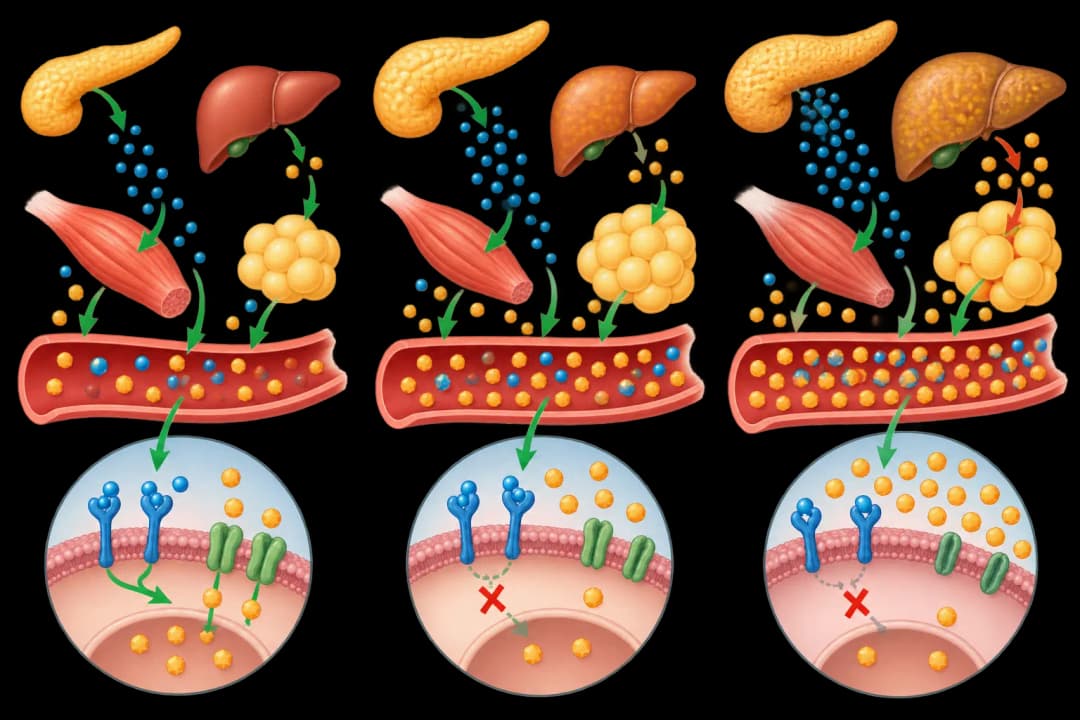
Short answer
A normal A1C target in type 2 diabetes is personal, set with your clinician, and reviewed over time.
This answers one question. It is not a diagnosis and does not replace an assessment by a licensed doctor.
At a glance
- Test
- A1C estimates average glucose exposure over recent months.
- Target
- The appropriate range depends on your health and treatment safety.
What the result means
A1C is a blood test that estimates your average glucose exposure over the preceding months. It does not show every high or low, so a reassuring result can still sit alongside episodes of hypoglycaemia. Your target may reflect age, other illnesses, medicines, daily routines, and how safely glucose can be controlled. A result outside your agreed range is a reason to review the plan, not a reason to change medicine without advice.
Practical next steps
Keep a record of glucose readings, meals, activity, and symptoms before your appointment. Take medicines as prescribed and ask before altering doses. Discuss a repeat A1C schedule, home monitoring, food choices, movement, and sick-day instructions. Persistent high readings can affect nerves, circulation, kidneys, and skin; your clinician may check for Peripheral Neuropathy, Chronic Kidney Disease, or other diabetes-related concerns.
When to seek care
Contact your diabetes team promptly for repeated high readings, vomiting, dehydration, confusion, unusual drowsiness, or inability to keep fluids down. Shaking, sweating, palpitations, weakness, or confusion may signal Hypoglycaemia and need immediate advice. Sudden facial weakness, speech difficulty, or one-sided weakness requires emergency help because these can be signs of Stroke.
Questions for your doctor
Ask: What A1C range is appropriate for me? How often should it be checked? Which symptoms or readings should trigger a call? Could my medicines, kidney function, or daily routine alter the result?
Find care
General Clinics & Polyclinics in Abu Dhabi
That answer is general. If you want it applied to your own case, these are licensed general clinics & polyclinics listed in Abu Dhabi.
27 Ar Ruwwad St - Shakhbout City - MSH4 - Abu Dhabi - United Arab Emirates
Accepts: Daman, Thiqa, Cigna, MetLife +20 more
Al Ruwais, Al Dhafrah
Accepts: Daman, Thiqa, AXA, Cigna +16 more
Al Bahyah - Al Bahyah Old - Abu Dhabi - United Arab Emirates
Accepts: Daman, Thiqa, Cigna, Allianz Care +18 more
Abu Dhabi
Accepts: Daman, Thiqa, AXA, Cigna +27 more
Ordered by verification status and how complete each clinic's public record is, then alphabetically. This is a directory listing, not a ranking — Zavis does not rate or recommend providers.
A factual listing drawn from the DHA, DOH and MOHAP licence registers. It is not a referral, an endorsement, or advice that any of these providers is right for you.
Questions people ask
Can one A1C result change my treatment?
It can inform a review, but clinicians usually consider patterns, symptoms, medicines, and other health factors together.
Does a normal A1C rule out low glucose?
No. A1C is an average and may not reveal individual low-glucose episodes.
Related
Related reading
Keep reading
Medical disclaimer. This page is general health information, not medical advice, and it cannot diagnose you. Always consult a licensed healthcare provider about your own symptoms and treatment. In an emergency in the UAE, call 998 for an ambulance.