
What should you know about nicotine dependence?
Short answer
Nicotine dependence can cause cravings and withdrawal, but support and a structured quit plan can help you stop safely.
This answers one question. It is not a diagnosis and does not replace an assessment by a licensed doctor.
At a glance
- Dependence
- Cravings and withdrawal can reinforce repeated nicotine use.
- Support
- Coaching and medicines can be combined in a quit plan.
What nicotine dependence means
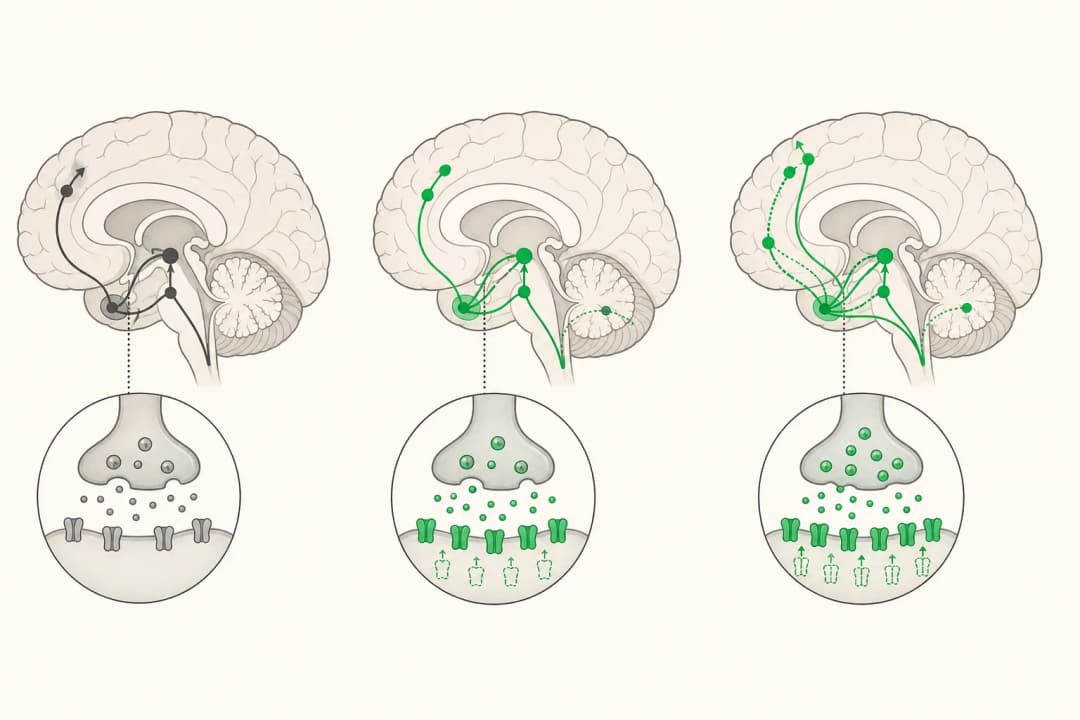
Nicotine changes the brain's reward and stress systems. Dependence may show up as needing nicotine soon after waking, finding it hard to cut down, or continuing to use it when it affects breathing, circulation or daily routines. When nicotine levels fall, irritability, anxiety, restlessness, poor concentration and strong urges can appear. These symptoms reflect withdrawal rather than a lack of willpower. Nicotine can come from cigarettes, vaping products, shisha or other products.
Steps that can help
Choose a quit date or begin by tracking when and why you use nicotine. Remove products and identify triggers such as coffee, driving, social situations or stress. A clinician or pharmacist can discuss nicotine replacement and other stop-smoking support. A smoking cessation programme can add coaching, coping strategies and follow-up. If you slip, treat it as information about a trigger and restart the plan rather than abandoning it.
When to seek care
Arrange medical support if cravings repeatedly derail attempts, withdrawal is affecting sleep or work, or you use nicotine while pregnant or managing a long-term illness. Seek urgent help for severe chest pain, sudden trouble breathing, fainting or new weakness on one side. A persistent cough or leg pain when walking also deserves assessment; nicotine dependence can coexist with conditions such as Chronic Cough, COPD or Peripheral Arterial Disease.
Questions for your doctor
Ask which quit approach fits your nicotine use, what withdrawal symptoms to expect, how to manage cravings at work or home, and what follow-up support is available.
Find care
General Clinics & Polyclinics in Abu Dhabi
That answer is general. If you want it applied to your own case, these are licensed general clinics & polyclinics listed in Abu Dhabi.
27 Ar Ruwwad St - Shakhbout City - MSH4 - Abu Dhabi - United Arab Emirates
Accepts: Daman, Thiqa, Cigna, MetLife +20 more
Al Ruwais, Al Dhafrah
Accepts: Daman, Thiqa, AXA, Cigna +16 more
Al Bahyah - Al Bahyah Old - Abu Dhabi - United Arab Emirates
Accepts: Daman, Thiqa, Cigna, Allianz Care +18 more
Abu Dhabi
Accepts: Daman, Thiqa, AXA, Cigna +27 more
Ordered by verification status and how complete each clinic's public record is, then alphabetically. This is a directory listing, not a ranking — Zavis does not rate or recommend providers.
A factual listing drawn from the DHA, DOH and MOHAP licence registers. It is not a referral, an endorsement, or advice that any of these providers is right for you.
Questions people ask
Is nicotine dependence a medical problem?
Yes. It is a dependence pattern with recognisable cravings and withdrawal, and it can be treated with behavioural and medical support.
What if I start using nicotine again?
Review what triggered the lapse, remove remaining products and contact your clinician or cessation service to adjust the plan.
Related
Related reading
Keep reading
Medical disclaimer. This page is general health information, not medical advice, and it cannot diagnose you. Always consult a licensed healthcare provider about your own symptoms and treatment. In an emergency in the UAE, call 998 for an ambulance.