
Nexplanon birth control: how it works
Updated
Short answer
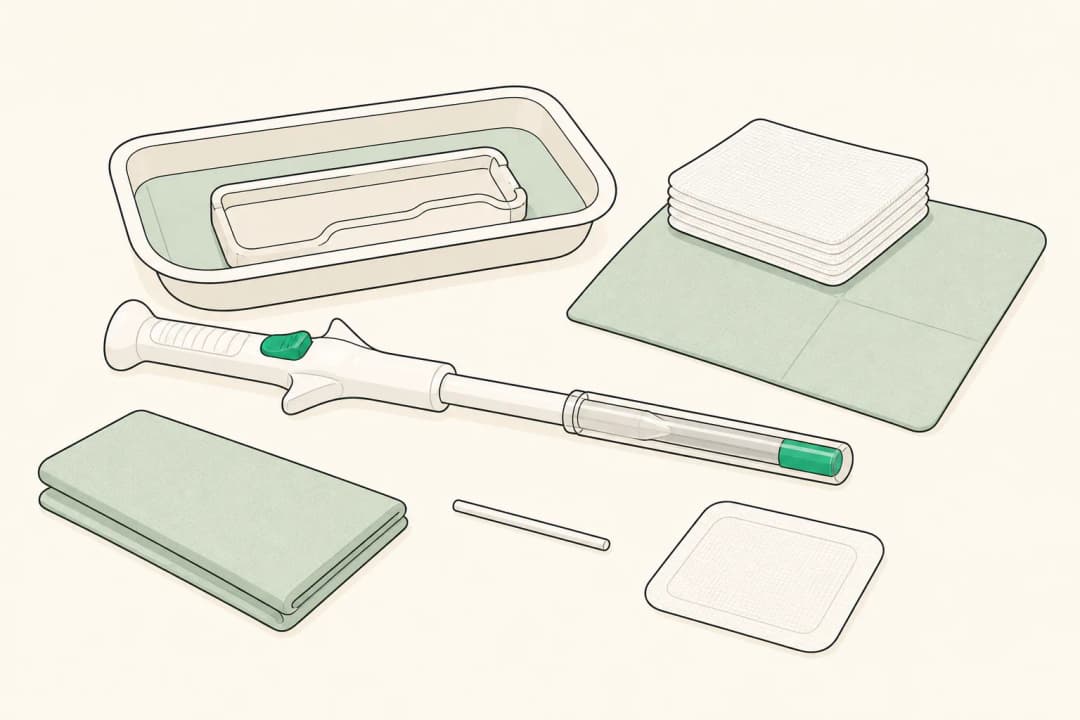
Nexplanon is a small etonogestrel implant in the upper arm that prevents pregnancy by changing ovulation and cervical mucus.
This answers one question. It is not a diagnosis and does not replace an assessment by a licensed doctor.
At a glance
- Type
- Long-acting hormonal implant
- STI protection
- Not provided
How the implant works
Nexplanon steadily releases etonogestrel, a progestogen. It usually prevents ovulation and makes cervical mucus thicker, which makes sperm movement more difficult. It does not protect against sexually transmitted infections, so condoms may still be useful depending on your situation.
Bleeding may become lighter, less predictable, more frequent, or stop. Headache, breast tenderness, acne, mood changes, or arm soreness can occur. The implant is placed and removed by a trained clinician; it should not be inserted or taken out at home.
Using Nexplanon safely
Tell your clinician about all medicines, supplements, and herbal products. Some treatments can reduce hormonal contraception's effect, so you may need another method during treatment and for a period afterward. Confirm when protection starts, particularly if insertion did not occur at the beginning of your cycle or if you recently used another method.
Keep your insertion details available and check the arm only as instructed. If you cannot feel the rod, use backup contraception and arrange a review. A hormonal coil is another option to discuss if you want a different long-acting method.
When to seek care
Get medical advice for troublesome bleeding, persistent mood symptoms, severe headache, or arm pain that is worsening. Seek urgent help for chest pain, sudden difficulty breathing, coughing blood, severe abdominal pain, or a painful swollen leg. Take a pregnancy test and contact a clinician if pregnancy is possible.
Questions for your doctor
Ask how long protection takes to begin, which medicines may interfere, what bleeding changes are acceptable, and what other method would suit you if Nexplanon is removed.
Find care
General Clinics & Polyclinics in Dubai
That answer is general. If you want it applied to your own case, these are licensed general clinics & polyclinics listed in Dubai.
The Court Residence, 39B Street, Jumeirah 1, Dubai
Accepts: Tabby, Tamara
Elite Business Bay Residence - Shop 03 & 04, 34 Marasi Dr - Business Bay - Dubai - United Arab Emirates
Accepts: Tabby
Airport View Building, Al Garhoud, Dubai
Accepts: Daman, Thiqa, AXA, Cigna +25 more
IBIS Building, 5th Floor, Unit 5003, Deira, Dubai
Accepts: AXA, Cigna, MetLife, Allianz Care +18 more
Ordered by verification status and how complete each clinic's public record is, then alphabetically. This is a directory listing, not a ranking — Zavis does not rate or recommend providers.
A factual listing drawn from the UAE health regulators' public licence registers. It is not a referral, an endorsement, or advice that any of these providers is right for you.
Questions people ask
Does Nexplanon protect against infections?
No. It prevents pregnancy but does not protect against sexually transmitted infections.
Can periods change with Nexplanon?
Yes. Bleeding can become irregular, lighter, more frequent, or stop.
Related
Related reading
Keep reading
Medical disclaimer. This page is general health information, not medical advice, and it cannot diagnose you. Always consult a licensed healthcare provider about your own symptoms and treatment. In an emergency in the UAE, call 998 for an ambulance.