
What should you know about I-131 for hyperthyroidism?
Updated
Short answer
I-131 treatment for hyperthyroidism uses radioactive iodine to reduce overactive thyroid tissue, followed by monitoring because thyroid function can change.
This answers one question. It is not a diagnosis and does not replace an assessment by a licensed doctor.
At a glance
- Target
- Overactive thyroid tissue
- Follow-up
- Thyroid blood tests are part of care
How the treatment works
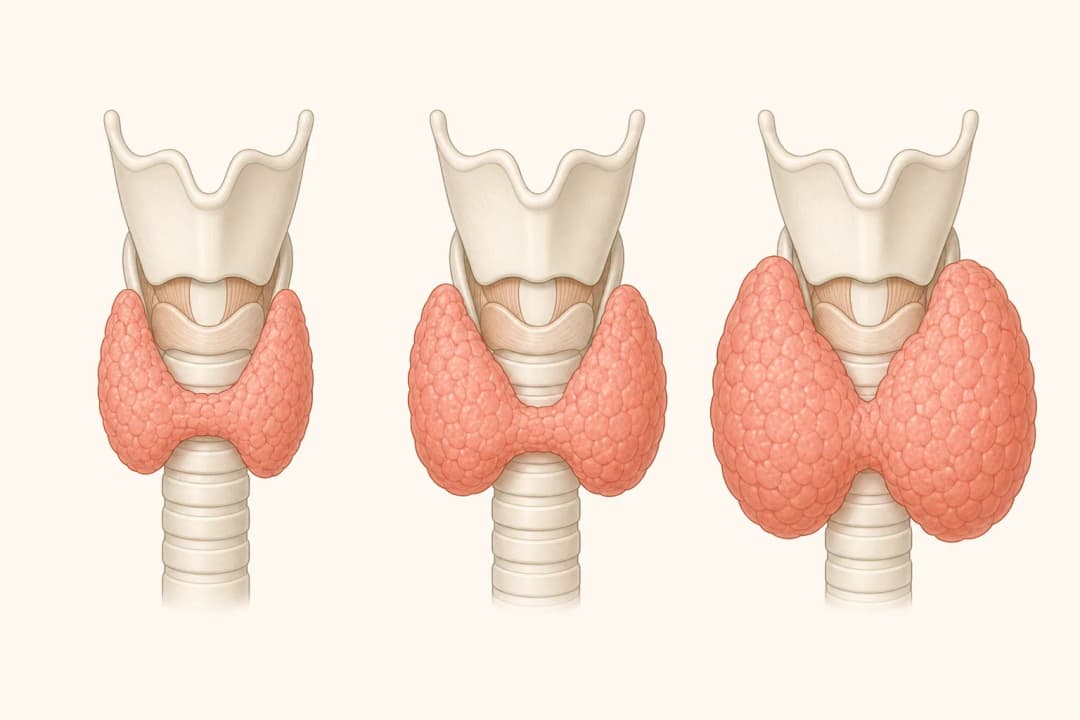
The thyroid naturally takes up iodine. I-131 concentrates there and gradually reduces hormone-producing thyroid cells. This can ease symptoms of hyperthyroidism such as palpitations, excessive sweating, heat intolerance, diarrhoea, difficulty sleeping or feeling anxious. It is not an instant symptom reliever; improvement and thyroid blood-test changes develop over time.
Because treatment may leave the thyroid underactive, follow-up testing matters. Your clinician will explain whether to pause medicines, how to manage contact with other people for a short period, and when pregnancy-related precautions apply. The plan depends on your health and the dose selected.
What to do before and after
Follow the nuclear-medicine team’s instructions exactly, including medicine changes and radiation-safety advice. Keep follow-up appointments for thyroid blood tests, even if you feel better. Record changes in pulse, sleep, sweating, bowel habits and weight, and report them. Do not start iodine supplements or stop prescribed treatment without asking the treating team.
When to seek care
Seek urgent help for chest pain, fainting, severe breathlessness, a very fast or irregular heartbeat, confusion, high fever or severe weakness. Contact your treatment team promptly if palpitations, sweating, diarrhoea or anxiety suddenly intensify, or if you develop marked tiredness, feeling unusually cold or constipation after treatment. These changes may require examination and thyroid testing.
Questions for your doctor
Ask why I-131 is recommended for you, which medicines need adjustment, what contact precautions apply, and when thyroid tests are due. Discuss pregnancy, breastfeeding, eye symptoms and what treatment would follow if the thyroid becomes underactive.
Find care
General Clinics & Polyclinics in Dubai
That answer is general. If you want it applied to your own case, these are licensed general clinics & polyclinics listed in Dubai.
The Court Residence, 39B Street, Jumeirah 1, Dubai
Accepts: Tabby, Tamara
Elite Business Bay Residence - Shop 03 & 04, 34 Marasi Dr - Business Bay - Dubai - United Arab Emirates
Accepts: Tabby
Airport View Building, Al Garhoud, Dubai
Accepts: Daman, Thiqa, AXA, Cigna +25 more
IBIS Building, 5th Floor, Unit 5003, Deira, Dubai
Accepts: AXA, Cigna, MetLife, Allianz Care +18 more
Ordered by verification status and how complete each clinic's public record is, then alphabetically. This is a directory listing, not a ranking — Zavis does not rate or recommend providers.
A factual listing drawn from the UAE health regulators' public licence registers. It is not a referral, an endorsement, or advice that any of these providers is right for you.
Questions people ask
Does I-131 work immediately?
No. The thyroid response develops gradually, so symptoms and blood tests need monitoring during follow-up.
Can the thyroid become underactive?
Yes, and this is why ongoing testing is needed; replacement thyroid hormone may then be discussed.
Related
Related reading
Keep reading
Medical disclaimer. This page is general health information, not medical advice, and it cannot diagnose you. Always consult a licensed healthcare provider about your own symptoms and treatment. In an emergency in the UAE, call 998 for an ambulance.