
What should you know about hyperthyroidism in infants?
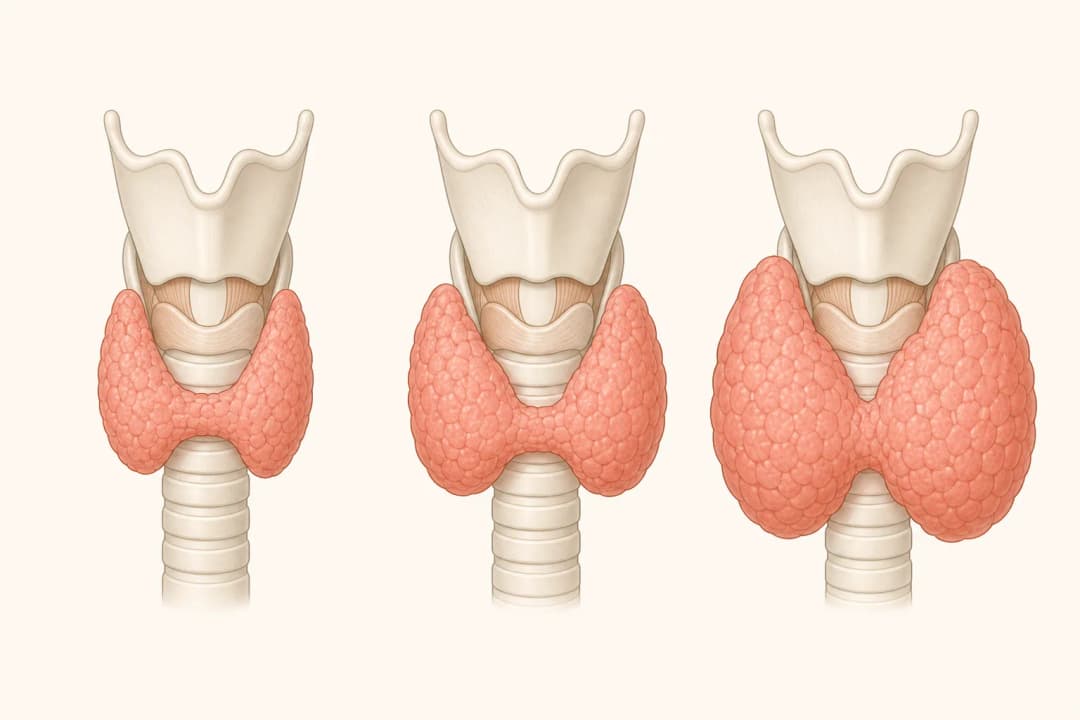
Short answer
Hyperthyroidism in an infant means excess thyroid hormone is speeding body processes and needs prompt paediatric assessment.
This answers one question. It is not a diagnosis and does not replace an assessment by a licensed doctor.
At a glance
- Age group
- Infants
- Assessment
- Feeding and growth history, examination, and thyroid blood tests
- Care setting
- Paediatric medical supervision
How it may appear
An infant may be unusually unsettled, feed poorly, sweat more, have frequent stools, sleep poorly, or show a fast heartbeat. Some babies may struggle to gain weight or seem persistently warm. These signs overlap with other illnesses, so they do not identify the cause on their own. A clinician may examine the baby, check growth and heart rate, and arrange thyroid blood tests. Maternal thyroid disease and medicines are relevant history.
What to do next
Contact the baby’s paediatric clinician promptly if these changes are present, particularly poor feeding, repeated vomiting, reduced wet nappies, or difficulty settling. Give only prescribed treatment and follow dosing instructions exactly; infant doses require careful supervision. Keep appointments for examination and repeat blood tests because needs can change as the thyroid state settles.
When urgent care is needed
Seek emergency help for trouble breathing, collapse, unusual sleepiness, a very fast or irregular heartbeat, severe weakness, or inability to feed. A baby who is hot, dehydrated, or rapidly becoming less responsive needs immediate assessment.
Questions for the clinician
Ask how the infant will be assessed, which thyroid tests are needed, whether pregnancy history changes interpretation, how treatment will be monitored, and which changes require urgent review.
Find care
General Clinics & Polyclinics in Abu Dhabi
That answer is general. If you want it applied to your own case, these are licensed general clinics & polyclinics listed in Abu Dhabi.
27 Ar Ruwwad St - Shakhbout City - MSH4 - Abu Dhabi - United Arab Emirates
Accepts: Daman, Thiqa, Cigna, MetLife +20 more
Al Ruwais, Al Dhafrah
Accepts: Daman, Thiqa, AXA, Cigna +16 more
Al Bahyah - Al Bahyah Old - Abu Dhabi - United Arab Emirates
Accepts: Daman, Thiqa, Cigna, Allianz Care +18 more
Abu Dhabi
Accepts: Daman, Thiqa, AXA, Cigna +27 more
Ordered by verification status and how complete each clinic's public record is, then alphabetically. This is a directory listing, not a ranking — Zavis does not rate or recommend providers.
A factual listing drawn from the DHA, DOH and MOHAP licence registers. It is not a referral, an endorsement, or advice that any of these providers is right for you.
Questions people ask
How is an infant assessed?
The clinician combines feeding and growth history, examination, heart-rate findings, and thyroid blood tests; further testing may sometimes be needed.
Can maternal thyroid disease matter?
Yes. Pregnancy and maternal treatment history can help the paediatric team interpret an infant’s symptoms and tests.
Related
Related reading
Keep reading
Medical disclaimer. This page is general health information, not medical advice, and it cannot diagnose you. Always consult a licensed healthcare provider about your own symptoms and treatment. In an emergency in the UAE, call 998 for an ambulance.