
Hyperthyroidism and feeling always hungry
Short answer
Hyperthyroidism can increase appetite because thyroid hormone speeds the body’s energy use, but constant hunger alone does not diagnose an overactive thyroid.
This answers one question. It is not a diagnosis and does not replace an assessment by a licensed doctor.
At a glance
- Key point
- Hunger is more informative when considered with weight, pulse, heat, bowel, and sleep changes.
- First step
- A clinical history and thyroid blood tests can clarify the pattern.
Why hunger may change
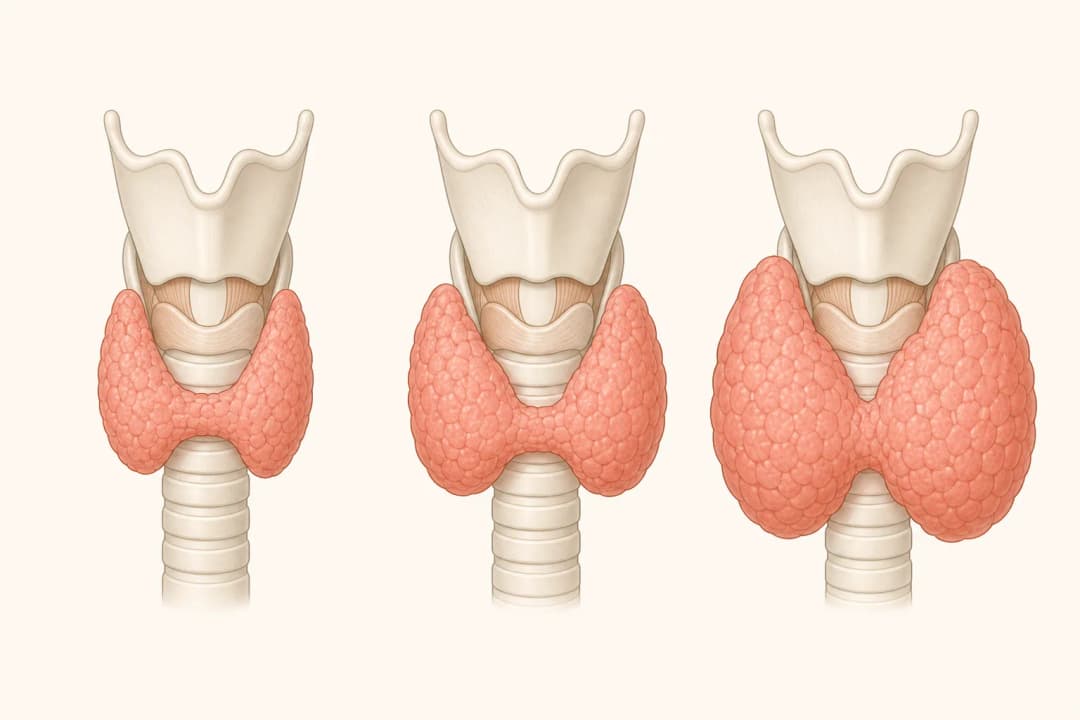
An overactive thyroid raises the pace at which the body uses energy. Some people therefore feel hungry more often, yet lose weight or cannot maintain it despite eating more. A typical cluster can include sweating, heat intolerance, anxiety, trouble sleeping, shakiness, loose stools, or a racing heartbeat. These features can also occur with diabetes, stress, medication effects, or changes in activity. Read about [Hyperthyroidism](/conditions/hyperthyroidism/) and related symptoms such as [Excessive Sweating](/symptoms/excessive-sweating/) and [Diarrhoea](/symptoms/diarrhoea/).
How to approach it
Book a clinical review if increased hunger is persistent, especially with weight loss, tremor, heat intolerance, or palpitations. A clinician may ask about thirst and urination, bowel habits, sleep, mood, medicines, and family thyroid history. Blood tests can check thyroid function and may help look for other explanations. Until reviewed, choose regular meals with protein and fibre, drink enough fluid, and avoid using stimulant products to suppress appetite. Record appetite, weight trend, pulse sensations, and other changes without trying to diagnose yourself.
When to get help quickly
Seek urgent care for fainting, chest pain, severe breathlessness, confusion, or a very fast or irregular heartbeat. Arrange prompt advice if hunger occurs with marked thirst, repeated urination, vomiting, dehydration, or rapid unplanned weight loss. The combination may need checks beyond thyroid testing, including glucose and hydration assessment.
Useful questions
Ask: Could thyroid hormone explain my appetite and weight change? Which tests should be done? Should glucose or other blood tests be checked? Could a medicine, supplement, or sleep problem be contributing? How should I monitor symptoms while waiting for results?
Find care
General Clinics & Polyclinics in Abu Dhabi
That answer is general. If you want it applied to your own case, these are licensed general clinics & polyclinics listed in Abu Dhabi.
27 Ar Ruwwad St - Shakhbout City - MSH4 - Abu Dhabi - United Arab Emirates
Accepts: Daman, Thiqa, Cigna, MetLife +20 more
Al Ruwais, Al Dhafrah
Accepts: Daman, Thiqa, AXA, Cigna +16 more
Al Bahyah - Al Bahyah Old - Abu Dhabi - United Arab Emirates
Accepts: Daman, Thiqa, Cigna, Allianz Care +18 more
Abu Dhabi
Accepts: Daman, Thiqa, AXA, Cigna +27 more
Ordered by verification status and how complete each clinic's public record is, then alphabetically. This is a directory listing, not a ranking — Zavis does not rate or recommend providers.
A factual listing drawn from the DHA, DOH and MOHAP licence registers. It is not a referral, an endorsement, or advice that any of these providers is right for you.
Questions people ask
Does feeling hungry always mean hyperthyroidism?
No. Appetite can change for many reasons, and hunger by itself cannot identify an overactive thyroid.
What symptom commonly accompanies increased appetite from hyperthyroidism?
Some people also notice weight loss, sweating, heat intolerance, anxiety, loose stools, or palpitations.
Related
Related reading
Keep reading
Medical disclaimer. This page is general health information, not medical advice, and it cannot diagnose you. Always consult a licensed healthcare provider about your own symptoms and treatment. In an emergency in the UAE, call 998 for an ambulance.