
How is type 2 diabetes different in pregnancy?
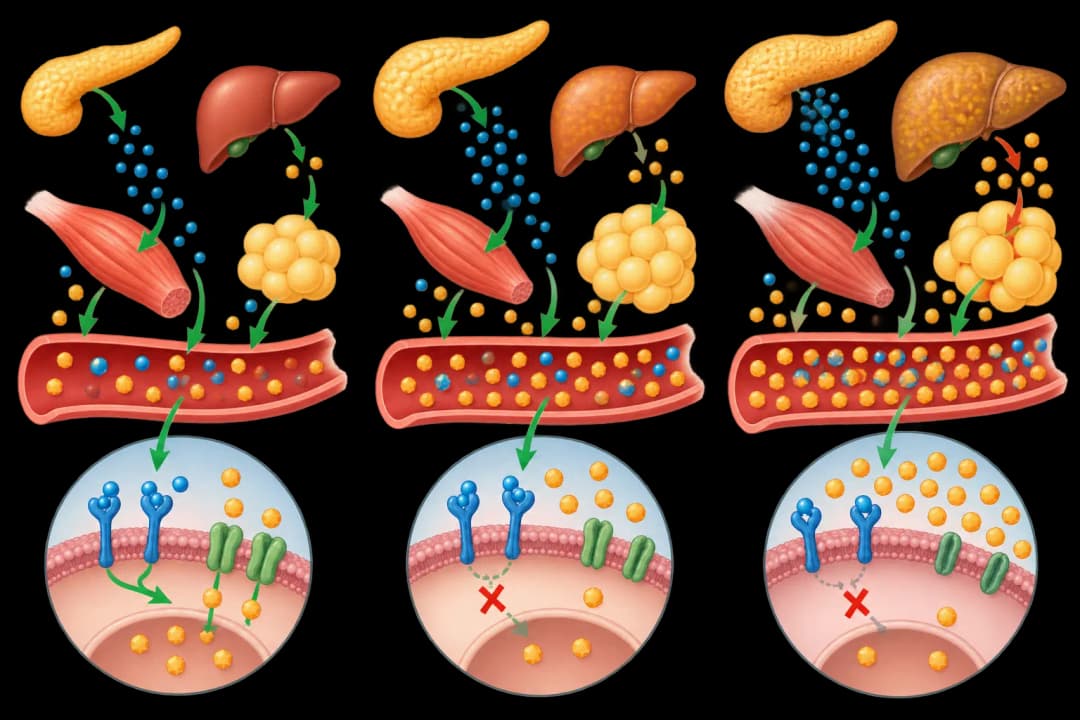
Short answer
Type 2 diabetes in pregnancy needs closer glucose monitoring and coordinated care to protect the pregnant person and developing baby.
This answers one question. It is not a diagnosis and does not replace an assessment by a licensed doctor.
At a glance
- Care style
- Joint maternity and diabetes follow-up
- Watch closely
- Glucose, blood pressure, urine, eyes and fetal growth
What pregnancy changes
Pregnancy changes insulin needs as it progresses, so a plan that worked before conception may need adjustment. Glucose levels outside the agreed range can affect the pregnant person and may influence fetal growth, birth planning and newborn monitoring.
Some diabetes medicines are unsuitable during pregnancy, and treatment choices must be reviewed by the maternity and diabetes teams. Blood pressure, urine, kidney health and eye health may also need attention because diabetes can add to pregnancy risks.
Care during pregnancy
Arrange early contact with an obstetric or diabetes team and attend the recommended checks. Monitor glucose as advised, keep notes of readings and meals, and do not stop prescribed treatment without speaking with the team.
Eat regular, nourishing meals that fit the plan, stay hydrated and use activity advice tailored to the pregnancy. Ask before taking non-prescription medicines or supplements. A pre-pregnancy review is useful when planning a future pregnancy.
When to seek care
Get urgent help for severe vomiting with inability to keep fluids down, difficult breathing, fainting, confusion, severe abdominal pain, heavy bleeding, reduced fetal movement later in pregnancy or symptoms of very low glucose.
Questions for your doctor
Ask what glucose targets apply to you, how often to test, which medicines are appropriate, what to do during vomiting or illness, and how appointments will be coordinated around fetal growth and delivery planning.
Find care
General Clinics & Polyclinics in Abu Dhabi
That answer is general. If you want it applied to your own case, these are licensed general clinics & polyclinics listed in Abu Dhabi.
27 Ar Ruwwad St - Shakhbout City - MSH4 - Abu Dhabi - United Arab Emirates
Accepts: Daman, Thiqa, Cigna, MetLife +20 more
Al Ruwais, Al Dhafrah
Accepts: Daman, Thiqa, AXA, Cigna +16 more
Al Bahyah - Al Bahyah Old - Abu Dhabi - United Arab Emirates
Accepts: Daman, Thiqa, Cigna, Allianz Care +18 more
Abu Dhabi
Accepts: Daman, Thiqa, AXA, Cigna +27 more
Ordered by verification status and how complete each clinic's public record is, then alphabetically. This is a directory listing, not a ranking — Zavis does not rate or recommend providers.
A factual listing drawn from the DHA, DOH and MOHAP licence registers. It is not a referral, an endorsement, or advice that any of these providers is right for you.
Questions people ask
Should someone stop diabetes medicine after becoming pregnant?
No. Contact the prescribing team promptly because some medicines need changing, while stopping treatment without advice can also be unsafe.
Can glucose needs change during pregnancy?
Yes. Insulin needs and glucose patterns can shift as pregnancy progresses, which is why regular review is needed.
Related
Related reading
Keep reading
Medical disclaimer. This page is general health information, not medical advice, and it cannot diagnose you. Always consult a licensed healthcare provider about your own symptoms and treatment. In an emergency in the UAE, call 998 for an ambulance.