
How is pulmonary embolism treated?
Short answer
Pulmonary embolism is treated urgently with anticoagulant medicine to stop the clot growing, while severe cases may need hospital monitoring, clot-removing treatment, or breathing support.
This answers one question. It is not a diagnosis and does not replace an assessment by a licensed doctor.
At a glance
- Main treatment
- Anticoagulation to prevent clot growth
- Severe cases
- May need hospital procedures or breathing support
What treatment is addressing
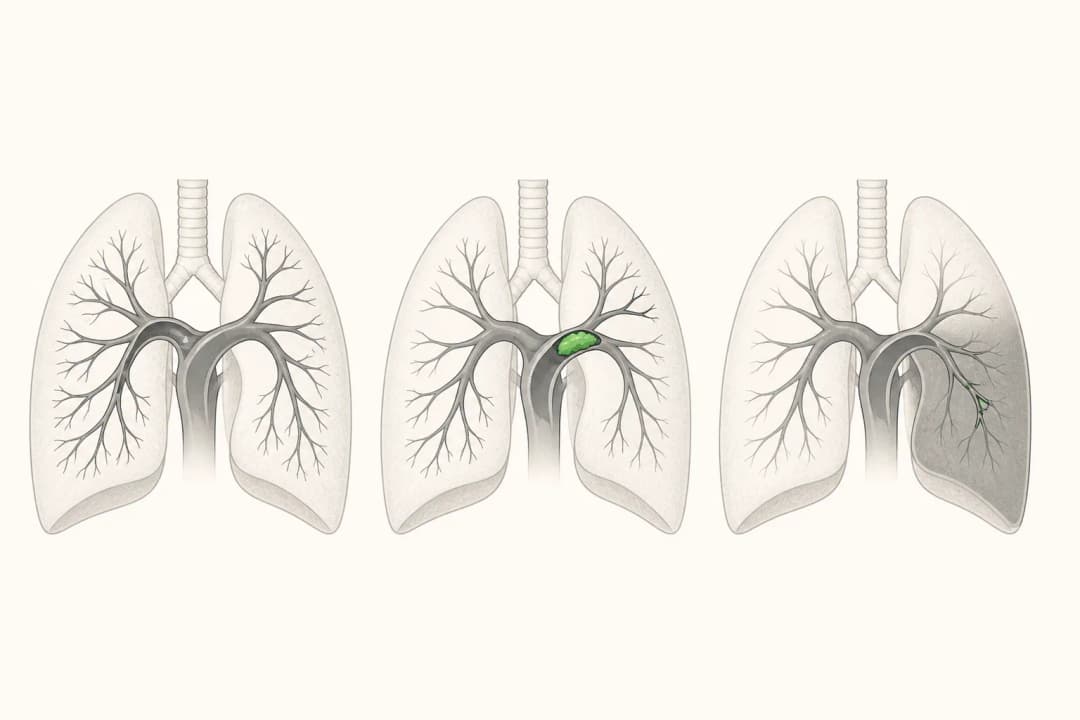
A Pulmonary Embolism is a blood clot that blocks an artery in the lungs, often causing sudden Shortness of Breath, Chest Pain, or Coughing Up Blood. Clinicians assess breathing, circulation, clot size and location, and bleeding risk. Treatment decisions are made in hospital when the diagnosis is suspected or confirmed.
Treatment and follow-up
Anticoagulation Management uses medicine that reduces the blood’s ability to form additional clots while the body gradually clears the existing clot. Some people begin treatment in hospital and continue it at home with planned reviews. Severe or unstable illness may require oxygen, clot-dissolving medicine, catheter treatment, or surgery. Take anticoagulants exactly as prescribed and report unusual bleeding, black stools, or a severe headache.
When to seek emergency help
Call emergency services for sudden or worsening breathing difficulty, severe chest pain, fainting, blue lips, coughing up more than a trace of blood, or collapse. If you take an anticoagulant, urgent care is also needed for heavy bleeding or a significant head injury. Do not drive yourself when symptoms are severe.
Questions for your doctor
Ask which anticoagulant is planned, how to manage missed doses, which medicines and activities may increase bleeding risk, how follow-up will be arranged, and which symptoms require emergency help.
Find care
General Clinics & Polyclinics in Abu Dhabi
That answer is general. If you want it applied to your own case, these are licensed general clinics & polyclinics listed in Abu Dhabi.
27 Ar Ruwwad St - Shakhbout City - MSH4 - Abu Dhabi - United Arab Emirates
Accepts: Daman, Thiqa, Cigna, MetLife +20 more
Al Ruwais, Al Dhafrah
Accepts: Daman, Thiqa, AXA, Cigna +16 more
Al Bahyah - Al Bahyah Old - Abu Dhabi - United Arab Emirates
Accepts: Daman, Thiqa, Cigna, Allianz Care +18 more
Abu Dhabi
Accepts: Daman, Thiqa, AXA, Cigna +27 more
Ordered by verification status and how complete each clinic's public record is, then alphabetically. This is a directory listing, not a ranking — Zavis does not rate or recommend providers.
A factual listing drawn from the DHA, DOH and MOHAP licence registers. It is not a referral, an endorsement, or advice that any of these providers is right for you.
Questions people ask
Is pulmonary embolism treatment urgent?
Yes. A suspected pulmonary embolism needs emergency assessment because it can affect blood flow and breathing.
How long will anticoagulant treatment continue?
The duration is individual and depends on the cause of the clot, bleeding risk, and follow-up assessment.
Related
Related reading
Keep reading
Medical disclaimer. This page is general health information, not medical advice, and it cannot diagnose you. Always consult a licensed healthcare provider about your own symptoms and treatment. In an emergency in the UAE, call 998 for an ambulance.