
How effective is GP consultation for chronic sinusitis?
Short answer
A GP consultation can be effective for identifying chronic sinusitis, treating symptoms, and deciding whether specialist assessment is needed.
This answers one question. It is not a diagnosis and does not replace an assessment by a licensed doctor.
At a glance
- The GP can assess
- Nasal symptoms, facial findings, triggers and possible complications
- Bring with you
- A symptom timeline and a complete list of nasal products and medicines
What the consultation can achieve
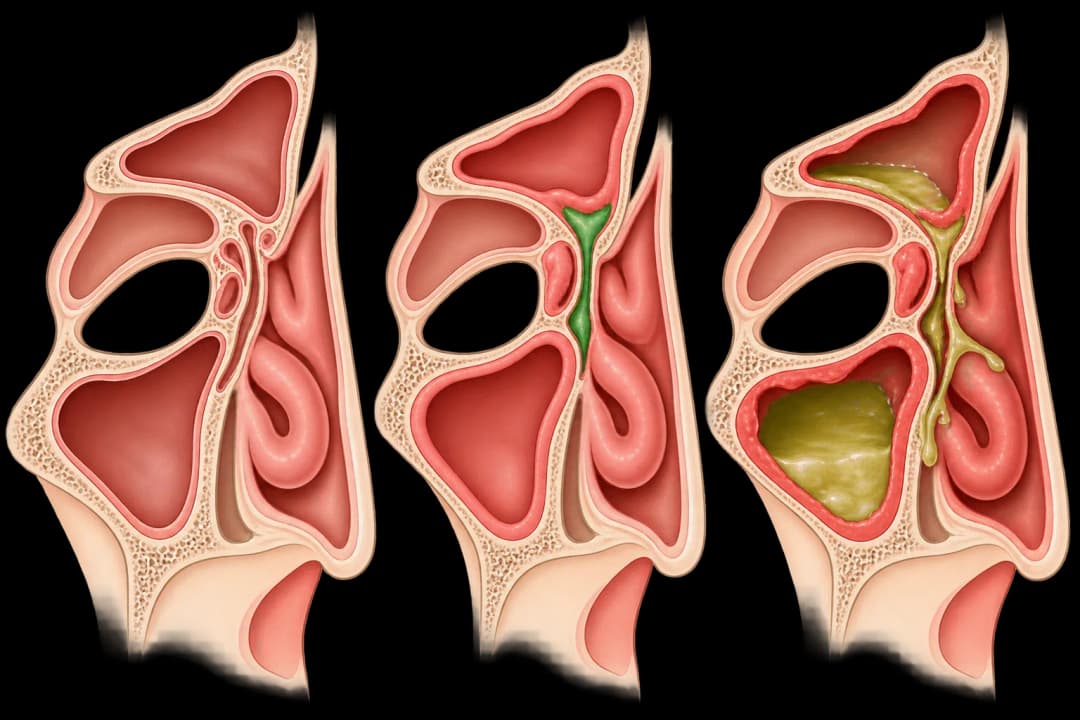
Your GP may ask how long congestion, facial pressure, reduced smell, nasal discharge or cough have lasted and whether symptoms affect sleep. They can examine your nose, throat and face, review allergies and medicines, and distinguish sinusitis from problems such as a cold or dental pain.
Treatment depends on the assessment and may involve measures that reduce nasal inflammation, advice about saline rinsing, or treatment for an underlying trigger. Persistent or difficult symptoms may lead to an ear, nose and throat referral for more detailed assessment.
How to prepare and follow advice
Write down the pattern of blockage, discharge, facial pain, smell changes and headaches. Mention asthma, allergies, dental symptoms, previous sinus problems and every medicine or nasal product you use. Tell the GP if symptoms affect one side more than the other.
Use recommended nasal treatments exactly as directed and allow time for a plan to work. Avoid adding or prolonging medicated decongestant sprays without advice, because overuse can worsen congestion. Return for review if symptoms remain troublesome or keep recurring.
When to seek urgent care
Seek urgent care for swelling around an eye, vision changes, severe headache with neck stiffness, confusion, marked drowsiness, or rapidly worsening facial swelling. Arrange prompt medical review for a high fever, severe one-sided facial pain, or symptoms that deteriorate after initial improvement.
Questions for your doctor
Ask whether the pattern fits chronic sinusitis, which treatment should be tried first, how to use a nasal spray or rinse correctly, and what would justify an ear, nose and throat referral.
Find care
General Clinics & Polyclinics in Abu Dhabi
That answer is general. If you want it applied to your own case, these are licensed general clinics & polyclinics listed in Abu Dhabi.
27 Ar Ruwwad St - Shakhbout City - MSH4 - Abu Dhabi - United Arab Emirates
Accepts: Daman, Thiqa, Cigna, MetLife +20 more
Al Ruwais, Al Dhafrah
Accepts: Daman, Thiqa, AXA, Cigna +16 more
Al Bahyah - Al Bahyah Old - Abu Dhabi - United Arab Emirates
Accepts: Daman, Thiqa, Cigna, Allianz Care +18 more
Abu Dhabi
Accepts: Daman, Thiqa, AXA, Cigna +27 more
Ordered by verification status and how complete each clinic's public record is, then alphabetically. This is a directory listing, not a ranking — Zavis does not rate or recommend providers.
A factual listing drawn from the DHA, DOH and MOHAP licence registers. It is not a referral, an endorsement, or advice that any of these providers is right for you.
Questions people ask
Can a GP confirm chronic sinusitis?
A GP can assess the duration and pattern of symptoms and examine you; further assessment may be needed when the diagnosis is uncertain or symptoms persist.
When should I return after a consultation?
Return when symptoms are not improving as expected, keep returning, or become more severe, particularly with eye or vision symptoms.
Related
Related reading
Keep reading
Medical disclaimer. This page is general health information, not medical advice, and it cannot diagnose you. Always consult a licensed healthcare provider about your own symptoms and treatment. In an emergency in the UAE, call 998 for an ambulance.