
Chronic Sinusitis: Symptoms, Causes and Treatment
Updated
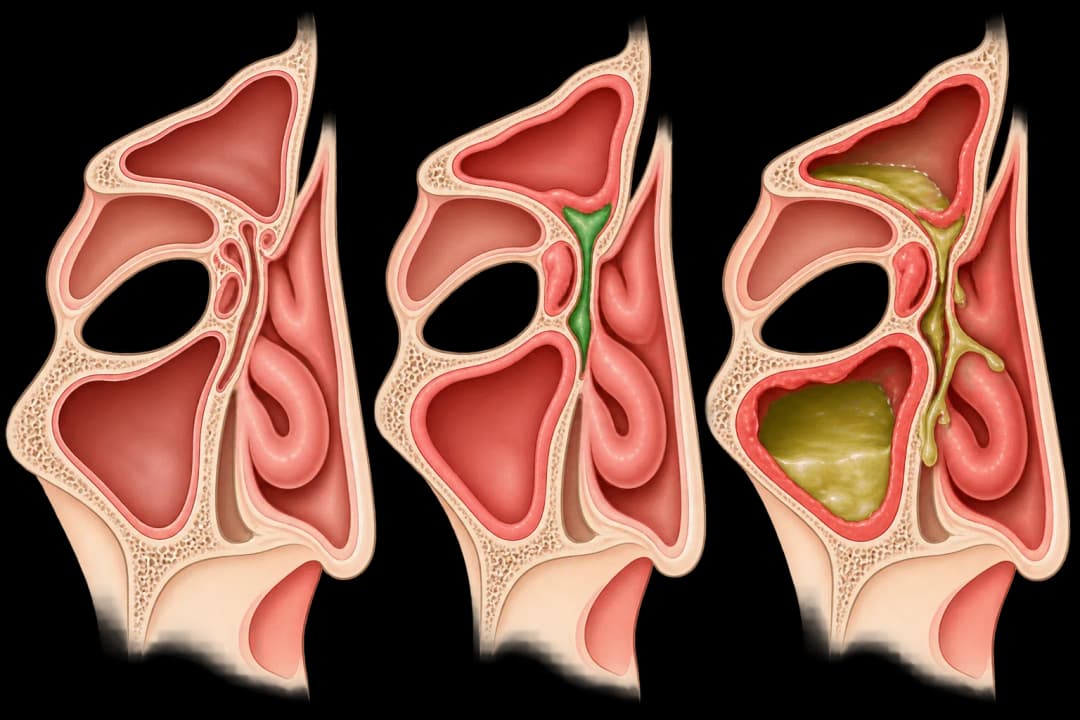
At a glance
- Also called
- Chronic rhinosinusitis
- Main areas affected
- Nose and sinus lining
- Common concerns
- Blocked nose, pressure and reduced smell
What chronic sinusitis involves
Chronic sinusitis is ongoing inflammation of the nose and sinus lining that can affect breathing, smell and facial comfort.
The sinuses are air spaces around the nose. When their lining stays swollen, mucus may not drain as freely and the nose can feel persistently congested. This condition is also called chronic rhinosinusitis and may occur with or without small inflammatory growths called nasal polyps.
Symptoms you may notice
A blocked nose, facial fullness or pressure, reduced smell and postnasal drip are very common presentations of chronic sinusitis. Some people also cough up phlegm, have headaches, snore, or notice throat clearing caused by drainage at the back of the nose.
Symptoms can fluctuate. They may feel more noticeable after exposure to irritants, during allergy symptoms, or when a viral respiratory illness adds further swelling.
Why inflammation can persist
Long-lasting swelling can follow repeated infections, but chronic sinusitis is not simply an infection that has lasted. Allergic rhinitis, nasal polyps, structural narrowing inside the nose, smoke and other airborne irritants can all contribute. In some people, the lining remains inflamed after an earlier illness has settled.
How the condition can develop
Symptoms often build gradually and continue for many weeks. A person may have better and worse periods rather than feeling unwell all the time. Ongoing poor drainage can leave mucus thicker and can make a cough or throat irritation more troublesome, especially when lying down.
Factors that can contribute
Nasal allergy, asthma, exposure to tobacco smoke, frequent contact with dust or fumes, and changes in the shape of the nasal passages can make persistent sinus inflammation more likely. A clinician will also consider whether medicines, immune problems or recurring nasal polyps are relevant to the individual pattern.
Assessment and diagnosis
A clinician will ask how long symptoms have lasted, whether smell has changed, and what makes symptoms better or worse. They may examine the nose and face. If symptoms persist, an ear, nose and throat assessment may include a small camera to view the nasal passages or imaging to look at the sinuses. Allergy testing can be useful when an allergic trigger is suspected.
Treatment options
Treatment aims to reduce inflammation, improve drainage and address contributing factors. Saline rinses can help clear mucus and allergens. A clinician may recommend a nasal steroid spray, explain correct use, or consider other medicines based on symptoms and medical history. Antibiotics are used only when a bacterial infection is considered likely.
When symptoms remain difficult to control, an ear, nose and throat specialist may discuss further assessment or a procedure to improve ventilation and drainage. The plan depends on findings such as polyps, allergy or anatomical narrowing.
Living with persistent symptoms
Use nasal medicines exactly as advised and give sprays time to reach the lining by aiming away from the middle wall of the nose. Drinking fluids, avoiding smoke, and using a clean saline-rinse device can support comfort. Keep a brief note of triggers, changes in smell and sleep disruption to make consultations more useful.
When to seek prompt medical help
Seek urgent medical care for swelling or redness around an eye, a change in vision, severe worsening headache, confusion, neck stiffness, or marked facial swelling. Arrange a clinical review when symptoms keep disrupting sleep, work or daily activities, or when one-sided blockage or bleeding persists.
Reducing flare-ups
Not every episode can be prevented, but limiting smoke and strong irritants, managing nasal allergies and maintaining regular nasal hygiene may reduce irritation. Wash hands after close contact with respiratory illnesses and clean any reusable nasal-rinse equipment after use.
Finding the right support
A GP consultation is a practical starting point for persistent nasal blockage, pressure or smell changes. The clinician can review treatments already tried, assess for allergy or infection, and arrange referral to an ear, nose and throat specialist when symptoms need more detailed investigation.
Questions people ask
Is chronic sinusitis the same as a short sinus infection?
No. Chronic sinusitis describes ongoing inflammation and may involve allergy, polyps or poor drainage as well as infection.
Can chronic sinusitis affect sleep?
Yes. Nasal blockage, postnasal drip and snoring can disturb sleep or leave you breathing through your mouth.
Related
Related reading
Keep reading
Find care
General Clinics & Polyclinics in Dubai
Where chronic sinusitis: symptoms, causes and treatment is assessed depends on what is causing it. These are licensed general clinics & polyclinics listed in Dubai.
Elite Business Bay Residence - Shop 03 & 04, 34 Marasi Dr - Business Bay - Dubai - United Arab Emirates
Accepts: Tabby
Airport View Building, Al Garhoud, Dubai
Accepts: Daman, Thiqa, AXA, Cigna +25 more
IBIS Building, 5th Floor, Unit 5003, Deira, Dubai
Accepts: AXA, Cigna, MetLife, Allianz Care +18 more
- Aarna Elite Medical CenterVerified
Madeira Building, Shop 1 & 2, Al Jadaf, Dubai, UAE
Ordered by verification status and how complete each clinic's public record is, then alphabetically. This is a directory listing, not a ranking — Zavis does not rate or recommend providers.
A factual listing drawn from the UAE health regulators' public licence registers. It is not a referral, an endorsement, or advice that any of these providers is right for you.
Medical disclaimer. This page is general health information, not medical advice, and it cannot diagnose you. Always consult a licensed healthcare provider about your own symptoms and treatment. In an emergency in the UAE, call 998 for an ambulance.