
How Does IPL Photofacial Work?
Short answer
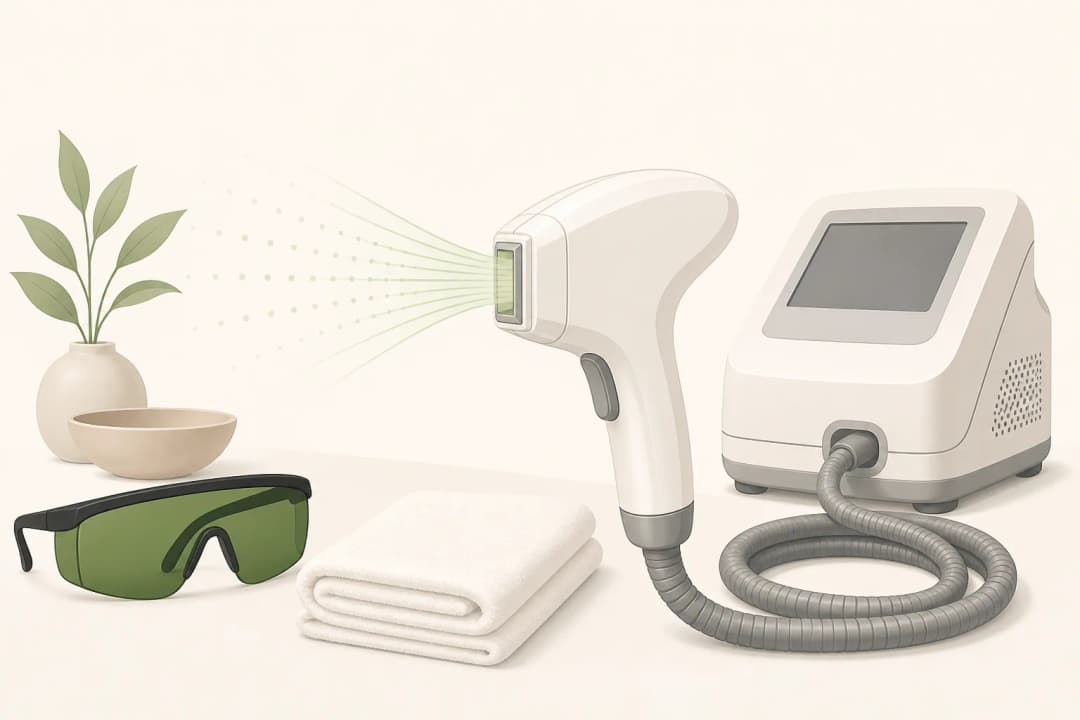
An IPL photofacial sends filtered pulses of broad-spectrum light into the skin, where pigment and blood vessels absorb the energy and gradually clear as the treated area heals.
This answers one question. It is not a diagnosis and does not replace an assessment by a licensed doctor.
At a glance
- Technology
- Filtered broad-spectrum light
- Main targets
- Selected pigment and visible blood vessels
- Aftercare
- Gentle care and strict sun protection
What the light targets
Unlike a single-wavelength laser, an IPL device delivers a range of light wavelengths selected for the concern and skin tone. Darker pigment absorbs part of the light and may look temporarily darker before it flakes or fades. Redness can respond when blood vessels absorb the energy and become less visible over time.
The treatment works best on specific colour differences between the target and surrounding skin. It can be considered for freckles, sun-damaged skin, some forms of hyperpigmentation, post-inflammatory erythema, and selected rosacea patterns. It does not remove every cause of uneven colour, and active inflammation or a recent tan may change whether treatment is suitable.
Preparing for and caring for treated skin
A clinician should assess your skin tone, tanning history, medicines, and the exact type of pigmentation or redness before choosing settings. Avoid tanning and follow the clinic's instructions about products that can irritate your skin. During treatment, protective eyewear is used and the skin may feel warm or briefly snap-like.
Afterward, use gentle cleansing, moisturiser, and daily broad-spectrum sunscreen. Do not pick at darkened spots or peel away flaking skin. The area may be pink, warm, swollen, or temporarily more pigmented; these changes should settle as the skin recovers. Ask whether another option, such as Picosecond Laser Treatment, fits your particular concern.
When to contact the clinic
Contact the treating clinic promptly if pain is worsening rather than easing, blisters or open areas develop, swelling affects the eyes or breathing, or redness spreads with increasing warmth and discharge. Seek urgent care for breathing difficulty or rapidly progressive facial swelling. New or changing pigmented marks need a medical assessment rather than cosmetic treatment.
Questions for your doctor
Ask which pigment or vessels the treatment is intended to target, what settings are appropriate for your skin tone, how to prepare if you have recently tanned, and which changes should prompt a call. Clarify expected recovery, sun protection, and whether your medicines or a history of colour change affect the plan.
Find care
General Clinics & Polyclinics in Abu Dhabi
That answer is general. If you want it applied to your own case, these are licensed general clinics & polyclinics listed in Abu Dhabi.
27 Ar Ruwwad St - Shakhbout City - MSH4 - Abu Dhabi - United Arab Emirates
Accepts: Daman, Thiqa, Cigna, MetLife +20 more
Al Ruwais, Al Dhafrah
Accepts: Daman, Thiqa, AXA, Cigna +16 more
Al Bahyah - Al Bahyah Old - Abu Dhabi - United Arab Emirates
Accepts: Daman, Thiqa, Cigna, Allianz Care +18 more
Abu Dhabi
Accepts: Daman, Thiqa, AXA, Cigna +27 more
Ordered by verification status and how complete each clinic's public record is, then alphabetically. This is a directory listing, not a ranking — Zavis does not rate or recommend providers.
A factual listing drawn from the DHA, DOH and MOHAP licence registers. It is not a referral, an endorsement, or advice that any of these providers is right for you.
Questions people ask
Is IPL the same as laser treatment?
No. IPL uses a broad range of filtered light, while a laser generally uses a more specific wavelength. The suitable choice depends on the target, skin tone, and diagnosis.
Can IPL treat redness and brown spots together?
It may address selected pigment and vascular redness in the same treatment plan, but the clinician must first confirm that both concerns are appropriate for IPL.
Related
Related reading
Keep reading
Medical disclaimer. This page is general health information, not medical advice, and it cannot diagnose you. Always consult a licensed healthcare provider about your own symptoms and treatment. In an emergency in the UAE, call 998 for an ambulance.