
IPL Photofacial: Uses, Safety, Recovery and Results
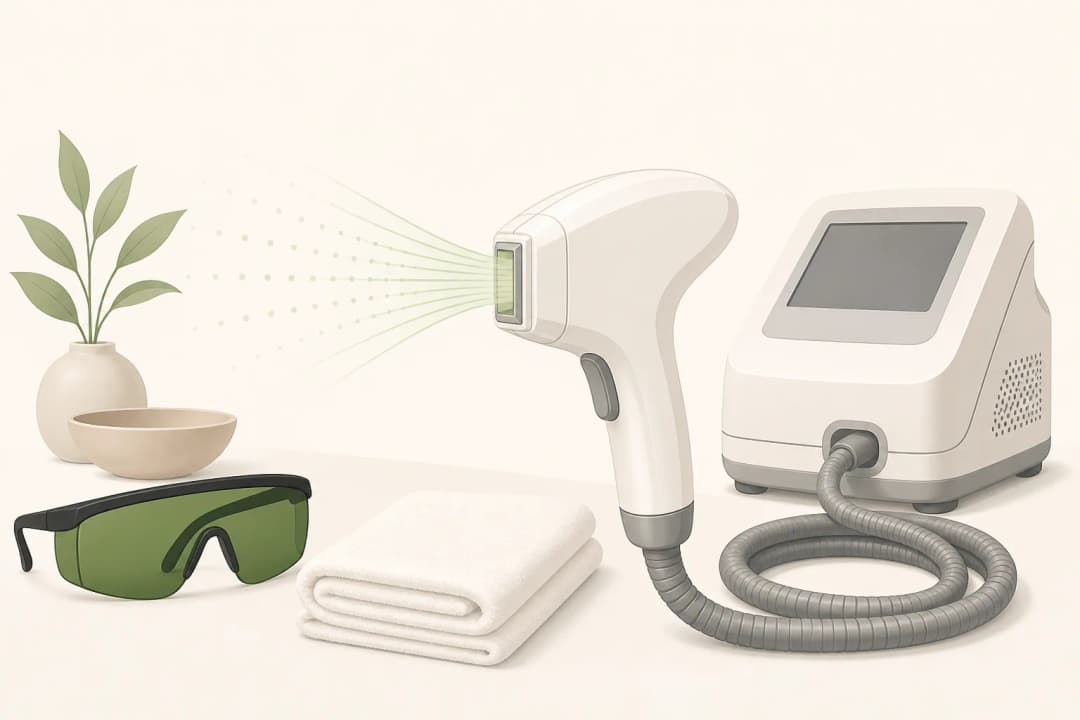
At a glance
- Treatment type
- Broad-spectrum pulsed light
- Common targets
- Selected pigment, redness, and visible vessels
- Recovery
- Temporary redness or warmth may occur
- Key precaution
- Avoid treatment of recently tanned skin unless cleared by the clinician
Find care
Dermatology & Skin Care in Dubai
Licensed dermatology & skin care listed in Dubai. Appearing here means a provider holds a UAE licence in this category — not that it offers IPL photofacial: uses, safety, recovery and results, which is worth confirming with the clinic before you book.
Wafi Mall - 1st Floor - Code “B”/ Entrance - Gate 3 Oud Metha Rd - inside the mall - Umm Hurair Second - Dubai Healthcare City - Dubai - United Arab Emirates
Accepts: Insurance Accepted
Al Ferdous 4, Al Wasl Road 603, AL SAFFA FIRST, Dubai
Accepts: Daman, Thiqa, AXA, Cigna +24 more
The mall, Jumeira Street 856a, UM SUQAIM SECOND, Dubai
Accepts: Thiqa, AXA, Bupa Global, Dubai Insurance Company +10 more
The Arcade, 4 Street 8, Al Garhoud, Dubai
Accepts: Daman, Thiqa, AXA, Cigna +26 more
Office # 102, SMJ-1, 1st Floor - شارع الشيخ زايد - الصفا 1 - الصفا - دبي - United Arab Emirates
Accepts: AXA, Cigna, MetLife, Allianz Care +19 more
Commercial Entrance, The Onyx Tower - 2 Sheikh Zayed Rd - Al Thanyah Third - The Greens - Dubai - United Arab Emirates
Accepts: Daman, Thiqa, AXA, Cigna +23 more
Ordered by verification status and how complete each clinic's public record is, then alphabetically. This is a directory listing, not a ranking — Zavis does not rate or recommend providers.
A factual listing drawn from the DHA, DOH and MOHAP licence registers. It is not a referral, an endorsement, or advice that any of these providers is right for you.
What is an IPL photofacial?
An IPL photofacial uses controlled pulses of broad-spectrum light to target selected pigment and visible blood vessels in the skin.
Unlike a conventional laser, an IPL device delivers a range of light wavelengths. A clinician selects settings according to your skin tone, the concern being treated, and the treatment area. The light is absorbed more strongly by pigment or blood-vessel colour than by nearby skin, allowing the body to clear the treated targets gradually.
Does it hurt?
Most people describe each pulse as a brief snapping or warm sensation, similar to a small elastic-band flick. A cooling surface or gel can make the experience more comfortable. Sensitivity varies by body area, settings, and individual tolerance; tell the clinician if the heat feels excessive so the treatment can be adjusted.
Is it safe?
IPL can be appropriate when a qualified clinician has assessed your skin and chosen suitable settings. Temporary redness, warmth, swelling, or darkening of pigmented spots can occur. Incorrect settings or treatment of recently tanned skin can increase the risk of burns or unwanted lightening or darkening, so disclose your skin history, medicines, and recent sun exposure.
How long do results last?
Results can persist while treated pigment and redness remain controlled, but they are not permanent. Sun exposure, hormonal changes, inflammation, and the natural ageing process can bring concerns back or create new ones. A clinician may suggest a course of sessions followed by maintenance based on your response and goals.
Key facts at a glance
IPL is a cosmetic light-based treatment, not a way to diagnose a changing or suspicious mark. Pigmented lesions should be assessed before treatment, and a clinician may recommend examination instead of light therapy when a diagnosis is uncertain.
Who may benefit from IPL?
People seeking improvement in freckles, sun spots, uneven skin tone, selected facial redness, or some small visible vessels may be considered. IPL is not suitable for every skin tone or every mark. A consultation should distinguish treatable pigment from a mole or other lesion that needs medical assessment.
Tell the clinician about recent tanning, a tendency to form raised scars, active infection or dermatitis, light-sensitive conditions, pregnancy, and medicines or skincare products that increase sensitivity. These details can change the timing, settings, or choice of treatment.
What happens during treatment?
The clinician cleans the area, reviews your goals and history, and protects your eyes. A cooling layer may be applied. The handpiece is placed against the skin and delivers a series of flashes across the planned area. The skin is then checked and soothing care or sun-protection advice is provided.
Recovery and aftercare
Redness and warmth often settle over the early recovery period. Pigmented spots may look darker before they fade or shed naturally; do not pick or scrub them. Use the recommended gentle cleanser, moisturiser, and broad-spectrum sunscreen. Avoid deliberate tanning and follow the clinic's advice about heat, active skincare, and makeup.
Possible risks
Possible effects include temporary discomfort, redness, swelling, blistering, crusting, burns, infection, scarring, and changes in skin colour. Darker skin tones may have a greater risk of pigment changes with some settings. Seek prompt clinical advice for worsening pain, spreading redness, pus, significant blistering, or an eye symptom after treatment.
Alternatives to consider
The right option depends on whether the main issue is pigment, redness, texture, or a lesion needing diagnosis. Options may include prescription skincare, other laser approaches, or treatment of the underlying condition. A picosecond laser is a different light-based option that may be considered for selected pigment concerns.
Choosing a provider
Choose a licensed dermatology or aesthetic provider who examines the area first, explains realistic outcomes, uses eye protection, and can discuss settings for your skin tone. Ask who will perform the procedure, which device is used, how your skin will be protected, and what follow-up is available if a reaction develops.
Questions people ask
Can IPL treat acne?
IPL is not a universal acne treatment. A clinician needs to identify whether acne, leftover redness, or pigmentation is the main concern before recommending it.
Can I have IPL after tanning?
Recent tanning can raise the risk of burns and pigment changes. Tell the provider about sun or tanning exposure and follow their advice about postponing treatment.
Can IPL remove a mole?
A mole or changing mark should be assessed rather than treated as cosmetic pigment. IPL is not a substitute for examination of a suspicious lesion.
Will I need more than one session?
Some concerns respond gradually and may need a planned course or later maintenance. The number and timing depend on the target, skin response, and treatment settings.
Related
Related reading
Keep reading
Medical disclaimer. This page is general health information, not medical advice, and it cannot diagnose you. Always consult a licensed healthcare provider about your own symptoms and treatment. In an emergency in the UAE, call 998 for an ambulance.