
Heavy periods and tampons: safe use and when to seek care
Short answer
Tampons can help manage heavy period flow when used as directed, but frequent soaking, leakage or new pain should be assessed.
This answers one question. It is not a diagnosis and does not replace an assessment by a licensed doctor.
At a glance
- Absorbency
- Use the lowest level that manages your flow
- Hygiene
- Follow package guidance and wash hands before and after use
- Review
- Repeated leaks, fatigue or new pain deserve assessment
What heavy flow means for tampon use
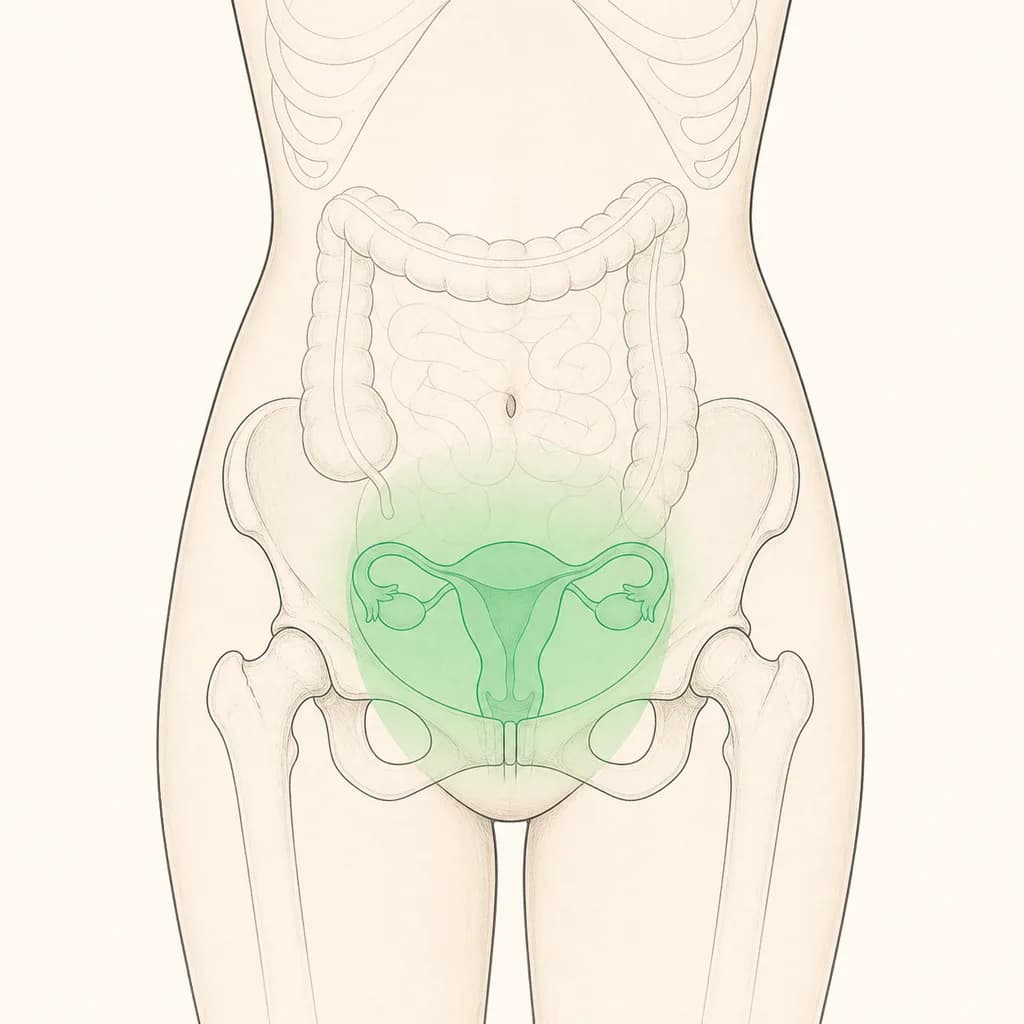
A tampon absorbs menstrual blood inside the vagina, but it does not treat the reason for heavy bleeding. Needing to change it very often, leaking despite correct placement or needing layered products can help describe your flow to a clinician. Do not use a tampon for postpartum bleeding, after some procedures or when a clinician has advised against internal products. Heavy periods may be associated with fibroids, adenomyosis, polyps, hormone-related conditions or changes in the uterine lining. Ongoing blood loss may contribute to iron deficiency anaemia.
Use tampons carefully
Choose the lowest absorbency that manages your flow, wash your hands before and after insertion, and follow the package guidance for changing and overnight use. Never leave a tampon in longer than the product instructions allow, and do not use more than one at once. Alternate with pads if that makes monitoring easier. Stop and seek advice if insertion causes significant pain, unusual discharge or irritation. Keep a record of changes, leaks, clots and associated cramps; this gives your clinician a clearer picture than a single product count.
When bleeding needs attention
Seek urgent help for sudden heavy bleeding with faintness, severe weakness, breathlessness, chest discomfort or rapidly worsening pain. Remove the tampon and get urgent advice for sudden fever, vomiting, diarrhoea, dizziness, confusion or a widespread rash while using one. Arrange a routine medical review if heavy flow repeatedly overwhelms products, causes fatigue or disrupts daily activities.
Ask your doctor
Is my flow heavy enough to investigate? Could fibroids, adenomyosis or a hormone-related condition be contributing? Should I use pads rather than tampons for now? Would a blood count or iron check help explain my tiredness?
Find care
General Clinics & Polyclinics in Abu Dhabi
That answer is general. If you want it applied to your own case, these are licensed general clinics & polyclinics listed in Abu Dhabi.
27 Ar Ruwwad St - Shakhbout City - MSH4 - Abu Dhabi - United Arab Emirates
Accepts: Daman, Thiqa, Cigna, MetLife +20 more
Al Ruwais, Al Dhafrah
Accepts: Daman, Thiqa, AXA, Cigna +16 more
Al Bahyah - Al Bahyah Old - Abu Dhabi - United Arab Emirates
Accepts: Daman, Thiqa, Cigna, Allianz Care +18 more
Abu Dhabi
Accepts: Daman, Thiqa, AXA, Cigna +27 more
Ordered by verification status and how complete each clinic's public record is, then alphabetically. This is a directory listing, not a ranking — Zavis does not rate or recommend providers.
A factual listing drawn from the DHA, DOH and MOHAP licence registers. It is not a referral, an endorsement, or advice that any of these providers is right for you.
Questions people ask
Can tampons cause heavy periods?
Tampons do not treat the cause of heavy bleeding; frequent soaking or leakage is a reason to describe your flow to a clinician.
When should I remove a tampon and seek help?
Remove it and seek urgent advice for sudden fever, vomiting, diarrhoea, dizziness, confusion or a widespread rash.
Related
Related reading
Keep reading
Medical disclaimer. This page is general health information, not medical advice, and it cannot diagnose you. Always consult a licensed healthcare provider about your own symptoms and treatment. In an emergency in the UAE, call 998 for an ambulance.