
Heavy period postpartum: warning signs and next steps
Short answer
Postpartum bleeding is not the same as a period; heavy bleeding, worsening pain or feeling unwell requires prompt medical advice.
This answers one question. It is not a diagnosis and does not replace an assessment by a licensed doctor.
At a glance
- Know the difference
- Lochia follows birth; a period is a later cycle
- Record
- Pattern, clots, pain, temperature and dizziness
- Act quickly
- Rapidly heavy bleeding or faintness needs urgent help
Postpartum bleeding versus a period
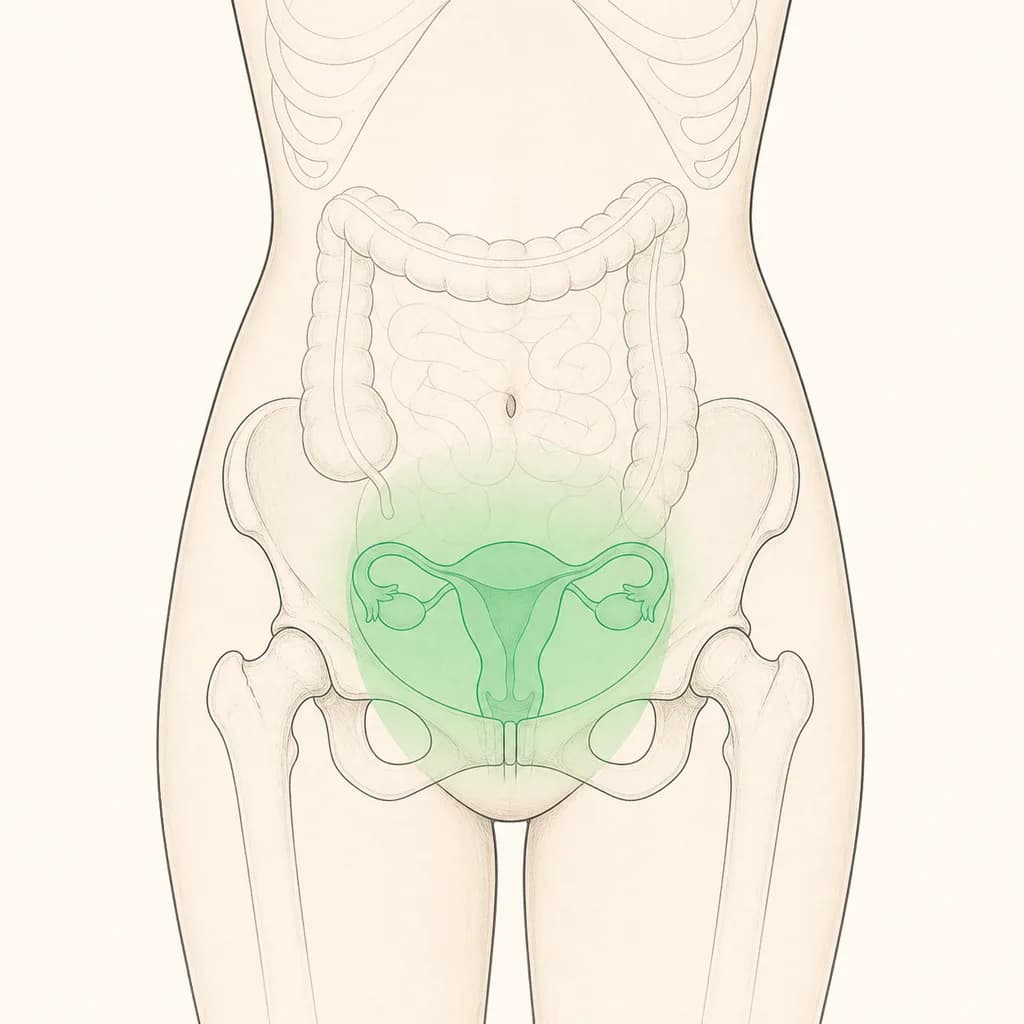
Lochia follows birth as the uterus sheds blood and tissue, so its colour and amount can change over time. A period is a later menstrual cycle, and its first appearances may be heavier, lighter, irregular or more painful than before pregnancy. Breastfeeding can delay or alter cycles, while contraception can affect flow. If heavy periods continue, possible contributors include fibroids, adenomyosis, endometrial polyps, endometrial hyperplasia or perimenopausal hormone changes. Repeated blood loss can reduce iron stores and cause iron deficiency anaemia.
Practical next steps
Note the type of bleeding, its pattern, clots, pain, temperature and any dizziness. Use maternity or menstrual products that help you observe the amount, and change them regularly. Contact your maternity team or doctor if bleeding is becoming heavier instead of settling, returns heavily after easing, or makes you too tired to care for yourself or your baby. Tell them about delivery complications, contraception, medicines and whether pregnancy could happen again. Do not start iron or bleeding treatment without checking what is suitable for you.
Warning signs
Get urgent help for rapidly heavy bleeding, large or repeated clots, faintness, marked weakness, breathlessness, a fast heartbeat, fever, foul-smelling discharge, severe pelvic pain or a tender abdomen. Ask someone to stay with you if you feel unwell. Heavy bleeding with possible pregnancy also needs prompt assessment.
Take these questions
Is this lochia, a returning period or bleeding from another cause? Could retained tissue, infection, fibroids or a lining problem be involved? Do I need a blood count or iron check? Which options are safe during breastfeeding?
Find care
General Clinics & Polyclinics in Abu Dhabi
That answer is general. If you want it applied to your own case, these are licensed general clinics & polyclinics listed in Abu Dhabi.
27 Ar Ruwwad St - Shakhbout City - MSH4 - Abu Dhabi - United Arab Emirates
Accepts: Daman, Thiqa, Cigna, MetLife +20 more
Al Ruwais, Al Dhafrah
Accepts: Daman, Thiqa, AXA, Cigna +16 more
Al Bahyah - Al Bahyah Old - Abu Dhabi - United Arab Emirates
Accepts: Daman, Thiqa, Cigna, Allianz Care +18 more
Abu Dhabi
Accepts: Daman, Thiqa, AXA, Cigna +27 more
Ordered by verification status and how complete each clinic's public record is, then alphabetically. This is a directory listing, not a ranking — Zavis does not rate or recommend providers.
A factual listing drawn from the DHA, DOH and MOHAP licence registers. It is not a referral, an endorsement, or advice that any of these providers is right for you.
Questions people ask
How is postpartum bleeding different from a period?
Postpartum bleeding is lochia, which sheds blood and tissue after birth; a period is menstrual bleeding that returns later.
What if heavy bleeding returns after it had eased?
Contact a maternity clinician or doctor promptly, especially if you also have pain, fever, dizziness or weakness.
Related
Related reading
Keep reading
Medical disclaimer. This page is general health information, not medical advice, and it cannot diagnose you. Always consult a licensed healthcare provider about your own symptoms and treatment. In an emergency in the UAE, call 998 for an ambulance.