
Heavy period on blood thinners: what to know
Short answer
Heavy bleeding while taking blood thinners should be discussed promptly with the prescriber, and the medicine should not be stopped without medical direction.
This answers one question. It is not a diagnosis and does not replace an assessment by a licensed doctor.
At a glance
- Medicine
- Do not stop an anticoagulant without direction
- Tell the team
- Name the medicine and describe the flow change
- Check first
- Ask before using non-prescribed pain or bleeding medicines
How blood thinners affect periods
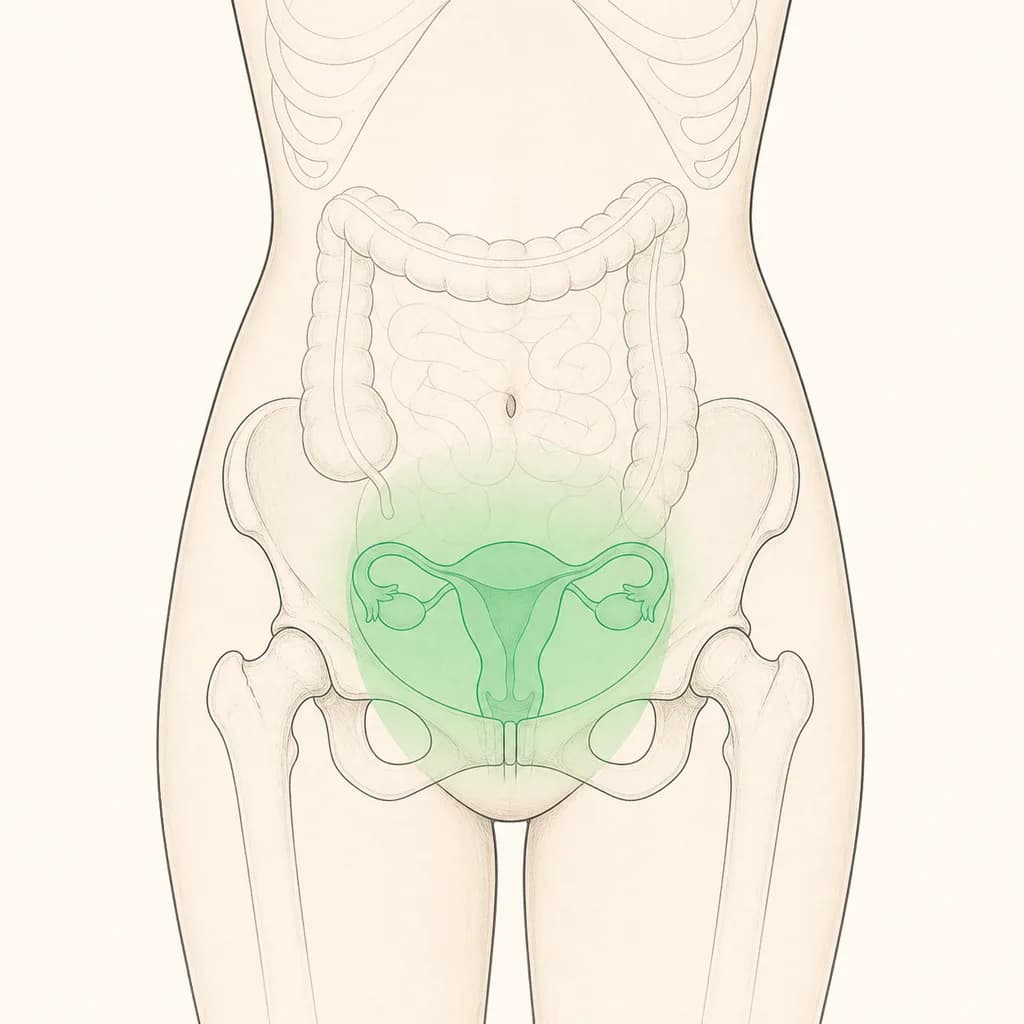
Anticoagulant medicines reduce the blood's ability to form clots, so menstrual bleeding may become heavier or last longer. Other causes can occur at the same time, including fibroids, adenomyosis, endometrial polyps, endometrial hyperplasia, perimenopause, or polycystic ovary syndrome. Ongoing loss can contribute to iron deficiency anaemia.
The correct response depends on why the medicine was prescribed, which medicine and dose you take, your bleeding pattern, and other medicines. A prescriber may review blood tests, iron status, contraception, and options to control bleeding without increasing clot risk.
What to do
Contact the clinician managing your anticoagulant or a gynaecology service and explain how the bleeding has changed. Keep taking the prescribed medicine unless that clinician gives different instructions. Keep a record of flow, clots, dizziness, breathlessness, and missed doses. Check before using over-the-counter pain or bleeding medicines, because some can interact with anticoagulation or affect clotting.
When to seek urgent care
Seek urgent help for bleeding that is rapidly soaking protection, faintness, worsening weakness, shortness of breath, chest pain, severe headache, severe abdominal pain, or possible pregnancy. Tell the healthcare team which blood thinner you take and when you last took it.
Questions for your care team
Ask whether the flow could be causing iron deficiency, whether tests are needed, and which menstrual treatments are compatible with your blood thinner. Ask what to do if you miss a dose or the bleeding suddenly increases.
Find care
General Clinics & Polyclinics in Abu Dhabi
That answer is general. If you want it applied to your own case, these are licensed general clinics & polyclinics listed in Abu Dhabi.
27 Ar Ruwwad St - Shakhbout City - MSH4 - Abu Dhabi - United Arab Emirates
Accepts: Daman, Thiqa, Cigna, MetLife +20 more
Al Ruwais, Al Dhafrah
Accepts: Daman, Thiqa, AXA, Cigna +16 more
Al Bahyah - Al Bahyah Old - Abu Dhabi - United Arab Emirates
Accepts: Daman, Thiqa, Cigna, Allianz Care +18 more
Abu Dhabi
Accepts: Daman, Thiqa, AXA, Cigna +27 more
Ordered by verification status and how complete each clinic's public record is, then alphabetically. This is a directory listing, not a ranking — Zavis does not rate or recommend providers.
A factual listing drawn from the DHA, DOH and MOHAP licence registers. It is not a referral, an endorsement, or advice that any of these providers is right for you.
Questions people ask
Should I skip my blood thinner during a heavy period?
No. Speak with the prescriber first because stopping it can increase the risk it was prescribed to prevent.
Can blood thinners be the only explanation?
They can increase flow, but other causes may also need assessment.
Related
Related reading
Keep reading
Medical disclaimer. This page is general health information, not medical advice, and it cannot diagnose you. Always consult a licensed healthcare provider about your own symptoms and treatment. In an emergency in the UAE, call 998 for an ambulance.