
Heavy period after starting birth control: what to know
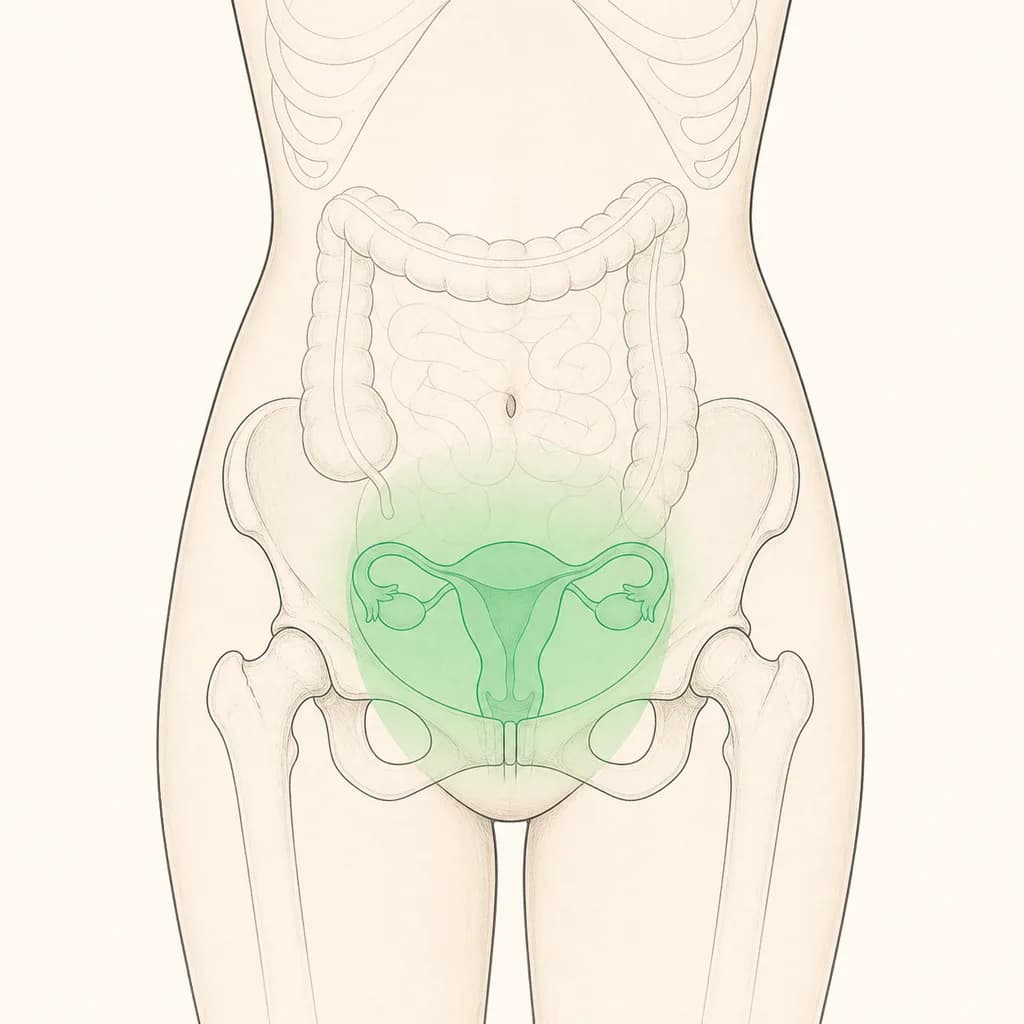
Short answer
Heavy bleeding after starting birth control can be an adjustment or another problem, so track the pattern and seek advice if it is severe or persistent.
This answers one question. It is not a diagnosis and does not replace an assessment by a licensed doctor.
At a glance
- Track
- Method, missed doses, bleeding, clots, pain, and fatigue
- Do not assume
- A bleeding change does not identify its cause by itself
Why contraception can change bleeding
Hormonal contraception changes ovulation and the uterine lining. During the first cycles, the lining may respond with heavier bleeding, spotting, or bleeding at an unexpected time. The result varies by method, dose, missed doses, and whether the method was started during a natural cycle or after pregnancy.
If heavy bleeding continues, clinicians also consider causes such as fibroids, adenomyosis, polyps, polycystic ovary syndrome, perimenopause, or a lining problem. Heavy bleeding can lead to iron deficiency anaemia, which may cause tiredness, dizziness, or breathlessness.
Steps that help
Check the instructions for your method and take or use it as prescribed; do not stop a hormonal method suddenly without advice about pregnancy prevention. Record bleeding days, pad or tampon changes, clots, missed doses, pain, and other symptoms. Contact the prescriber if the pattern is difficult to manage. They can check for pregnancy when relevant, review medicines, and decide whether examination or tests are needed.
When to get urgent help
Seek urgent care for rapidly soaking pads, faintness, severe pelvic pain, chest pain, breathlessness, confusion, or marked weakness. Arrange prompt review if bleeding remains heavy, happens after sex, occurs with fever or foul-smelling discharge, or continues beyond the adjustment period discussed for your method.
Questions for your doctor
Ask whether your method commonly changes bleeding, how long to monitor it, what to do after a missed dose, whether pregnancy testing or a blood count is appropriate, and which alternatives would still meet your contraception needs.
Find care
General Clinics & Polyclinics in Abu Dhabi
That answer is general. If you want it applied to your own case, these are licensed general clinics & polyclinics listed in Abu Dhabi.
27 Ar Ruwwad St - Shakhbout City - MSH4 - Abu Dhabi - United Arab Emirates
Accepts: Daman, Thiqa, Cigna, MetLife +20 more
Al Ruwais, Al Dhafrah
Accepts: Daman, Thiqa, AXA, Cigna +16 more
Al Bahyah - Al Bahyah Old - Abu Dhabi - United Arab Emirates
Accepts: Daman, Thiqa, Cigna, Allianz Care +18 more
Abu Dhabi
Accepts: Daman, Thiqa, AXA, Cigna +27 more
Ordered by verification status and how complete each clinic's public record is, then alphabetically. This is a directory listing, not a ranking — Zavis does not rate or recommend providers.
A factual listing drawn from the DHA, DOH and MOHAP licence registers. It is not a referral, an endorsement, or advice that any of these providers is right for you.
Questions people ask
Should I stop birth control because my period is heavy?
Do not stop or change it without advice if pregnancy prevention matters. Contact the prescriber for a safe plan and assessment of the bleeding.
Can another condition cause heavy bleeding after starting contraception?
Yes. Fibroids, adenomyosis, polyps, hormone-related conditions, and other causes may contribute, so persistent bleeding deserves review.
Related
Related reading
Keep reading
Medical disclaimer. This page is general health information, not medical advice, and it cannot diagnose you. Always consult a licensed healthcare provider about your own symptoms and treatment. In an emergency in the UAE, call 998 for an ambulance.