
Heavy first period: what to know
Short answer
A heavy first period can be part of an irregular early cycle, but very heavy bleeding or weakness warrants prompt medical assessment.
This answers one question. It is not a diagnosis and does not replace an assessment by a licensed doctor.
At a glance
- Track
- Changes of protection, clots, pain, and energy
- Possible effect
- Ongoing loss may lower iron stores
- Urgent signs
- Fainting, severe dizziness, or rapidly increasing flow
Understanding the first period
Early cycles may not follow a predictable pattern while hormone signals settle. Even so, bleeding that quickly soaks through protection, continues longer than expected, includes large clots, or prevents normal activities should be discussed with a clinician. A heavy period is a symptom, not a diagnosis.
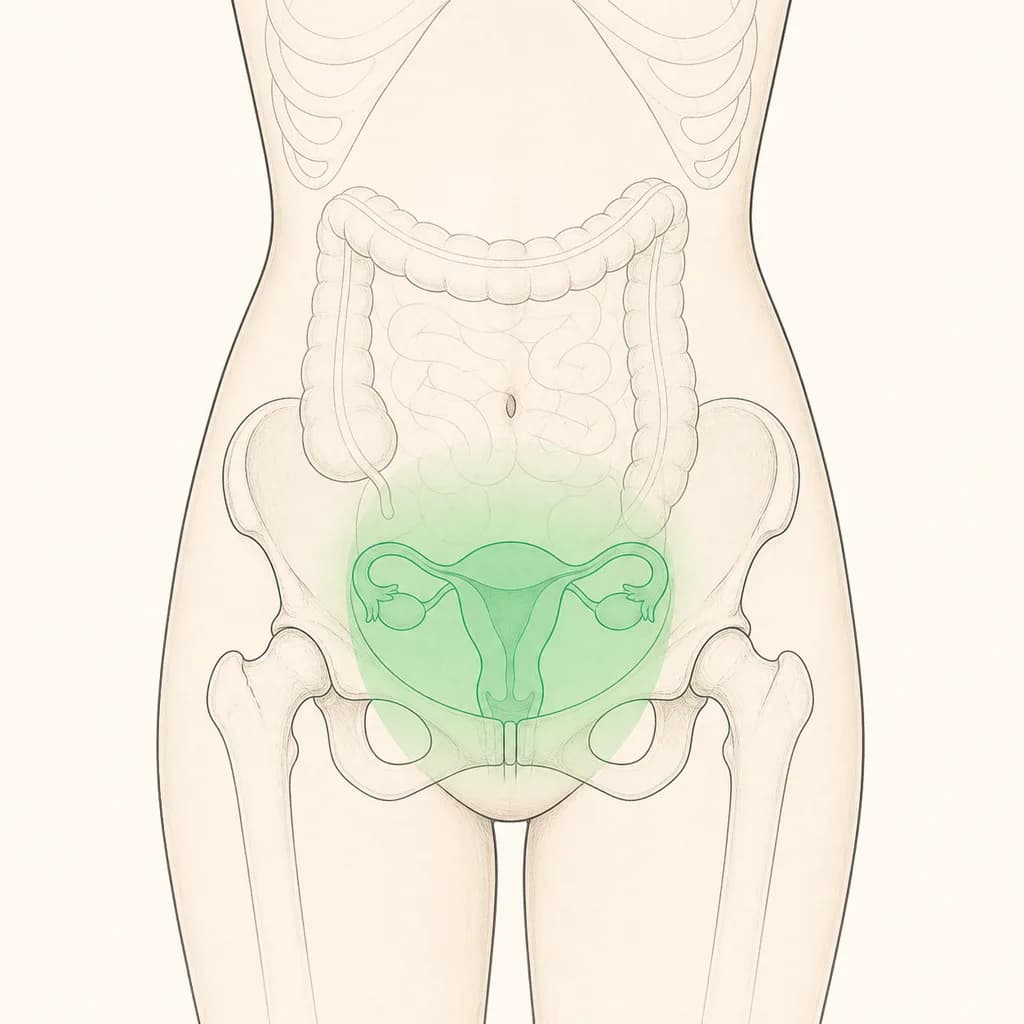
A clinician may consider a bleeding disorder, thyroid or hormone problems, or a condition affecting the uterus. Fibroids, polyps, adenomyosis, and excess thickening of the uterine lining are possible explanations, although the first period alone cannot identify a cause. Ongoing blood loss can also contribute to iron deficiency anaemia.
What to do
Use a simple record of start and stop dates, pad or tampon changes, clots, pain, tiredness, and missed activities. Tell a trusted adult if you are young or feel unwell, and arrange a healthcare appointment if the flow is difficult to manage or repeats. Ask before taking medicines for pain or bleeding, particularly if you have asthma, kidney problems, or a history of bleeding.
When to seek care
Get urgent help if bleeding is rapidly soaking protection, or if there is fainting, severe dizziness, unusual shortness of breath, chest discomfort, severe abdominal pain, or confusion. Urgent assessment is also appropriate when bleeding follows an injury or occurs with a known bleeding disorder.
Questions for your doctor
Ask what amount and duration should be monitored, whether a blood count or iron test is needed, and whether family history suggests a bleeding disorder. Share any nosebleeds, easy bruising, prolonged bleeding after dental work, or medicines that affect clotting.
Find care
General Clinics & Polyclinics in Abu Dhabi
That answer is general. If you want it applied to your own case, these are licensed general clinics & polyclinics listed in Abu Dhabi.
27 Ar Ruwwad St - Shakhbout City - MSH4 - Abu Dhabi - United Arab Emirates
Accepts: Daman, Thiqa, Cigna, MetLife +20 more
Al Ruwais, Al Dhafrah
Accepts: Daman, Thiqa, AXA, Cigna +16 more
Al Bahyah - Al Bahyah Old - Abu Dhabi - United Arab Emirates
Accepts: Daman, Thiqa, Cigna, Allianz Care +18 more
Abu Dhabi
Accepts: Daman, Thiqa, AXA, Cigna +27 more
Ordered by verification status and how complete each clinic's public record is, then alphabetically. This is a directory listing, not a ranking — Zavis does not rate or recommend providers.
A factual listing drawn from the DHA, DOH and MOHAP licence registers. It is not a referral, an endorsement, or advice that any of these providers is right for you.
Questions people ask
Is a heavy first period always abnormal?
Not always. Early cycles can be irregular, but flow that is difficult to control or causes weakness needs assessment.
What should be recorded?
Record timing, changes of protection, clots, pain, dizziness, tiredness, and whether school, work, or sleep is affected.
Related
Related reading
Keep reading
Medical disclaimer. This page is general health information, not medical advice, and it cannot diagnose you. Always consult a licensed healthcare provider about your own symptoms and treatment. In an emergency in the UAE, call 998 for an ambulance.