
What should you know about HbA1c and type 2 diabetes?
Short answer
HbA1c is a blood test that measures glucose attached to haemoglobin in red blood cells.
This answers one question. It is not a diagnosis and does not replace an assessment by a licensed doctor.
At a glance
- Test type
- Blood test
- Shows
- Average glucose over time
- Used with
- Home readings, symptoms, and routine diabetes checks
What is HbA1c?
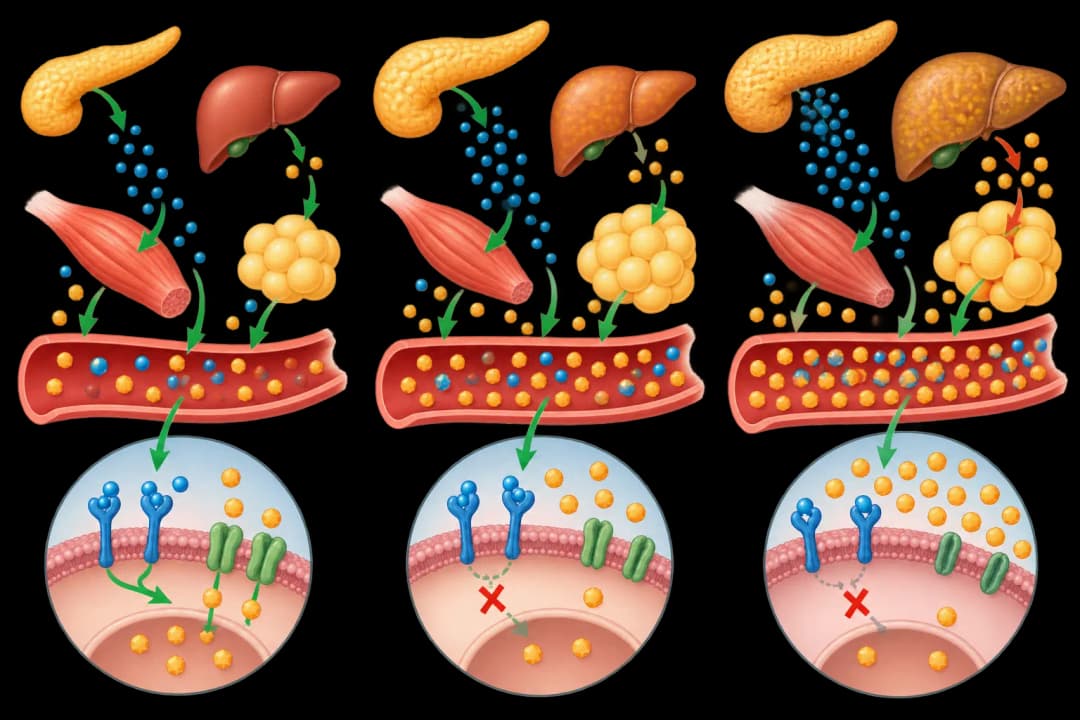
HbA1c is a blood test that measures glucose attached to haemoglobin in red blood cells. It reflects average glucose over a period of time, so it complements rather than replaces home readings. Clinicians use the result with your symptoms, medicines, health history, and other checks to decide whether your diabetes plan is working. It can also help identify prediabetes when interpreted with the appropriate clinical context.
How is HbA1c used in type 2 diabetes?
A result above your agreed goal may mean that glucose has been higher than intended, but one result does not explain why. Missed doses, illness, stress, changes in activity, food patterns, or medicine side effects can all contribute. Results may be less reliable with conditions that alter red-cell survival, recent bleeding, kidney disease, or some haemoglobin variants. Longer-term high glucose can injure blood vessels and nerves, affecting the eyes, kidneys, feet, heart, and brain.
What should you do next?
Review the result with your diabetes team and ask what goal applies to you. Take medicines as prescribed, check glucose as advised, and record readings alongside meals, activity, and symptoms. Choose sustainable food and movement habits that fit your health and routine. Attend foot, kidney, eye, and blood-pressure checks when offered. Never alter insulin or glucose-lowering medicines without advice, particularly if you have episodes of low glucose, vomiting, or reduced food intake.
When should you seek care?
Get urgent help for severe confusion, collapse, difficulty breathing, persistent vomiting, or inability to keep fluids down. Seek prompt advice for repeated low-glucose symptoms, very high readings, new foot wounds, spreading redness, or sudden weakness or speech trouble. A gradual HbA1c change usually needs a planned review, while acute symptoms should guide same-day action.
Questions for your doctor
What is my personal HbA1c goal, and when should it be checked again? Do my medicines or kidney health affect the result? How should I respond to low readings or illness? Which foot, eye, kidney, and cardiovascular checks are due?
Find care
General Clinics & Polyclinics in Abu Dhabi
That answer is general. If you want it applied to your own case, these are licensed general clinics & polyclinics listed in Abu Dhabi.
27 Ar Ruwwad St - Shakhbout City - MSH4 - Abu Dhabi - United Arab Emirates
Accepts: Daman, Thiqa, Cigna, MetLife +20 more
Al Ruwais, Al Dhafrah
Accepts: Daman, Thiqa, AXA, Cigna +16 more
Al Bahyah - Al Bahyah Old - Abu Dhabi - United Arab Emirates
Accepts: Daman, Thiqa, Cigna, Allianz Care +18 more
Abu Dhabi
Accepts: Daman, Thiqa, AXA, Cigna +27 more
Ordered by verification status and how complete each clinic's public record is, then alphabetically. This is a directory listing, not a ranking — Zavis does not rate or recommend providers.
A factual listing drawn from the DHA, DOH and MOHAP licence registers. It is not a referral, an endorsement, or advice that any of these providers is right for you.
Questions people ask
Does HbA1c replace daily glucose checks?
No. HbA1c gives a longer-term view, while daily checks can show immediate highs, lows, and patterns that need action.
Can HbA1c alone change my medicine?
Treatment decisions should consider the result alongside glucose readings, symptoms, other conditions, and how safely a medicine fits your plan.
Related
Related reading
Keep reading
Medical disclaimer. This page is general health information, not medical advice, and it cannot diagnose you. Always consult a licensed healthcare provider about your own symptoms and treatment. In an emergency in the UAE, call 998 for an ambulance.