
What should you know about GLP-1 agonists for type 2 diabetes?
Short answer
GLP-1 agonists can support blood glucose control in type 2 diabetes, with treatment tailored to your medicines and health needs.
This answers one question. It is not a diagnosis and does not replace an assessment by a licensed doctor.
At a glance
- Role
- One component of type 2 diabetes management
- Review
- Glucose readings, side effects, kidney and foot health
The short answer
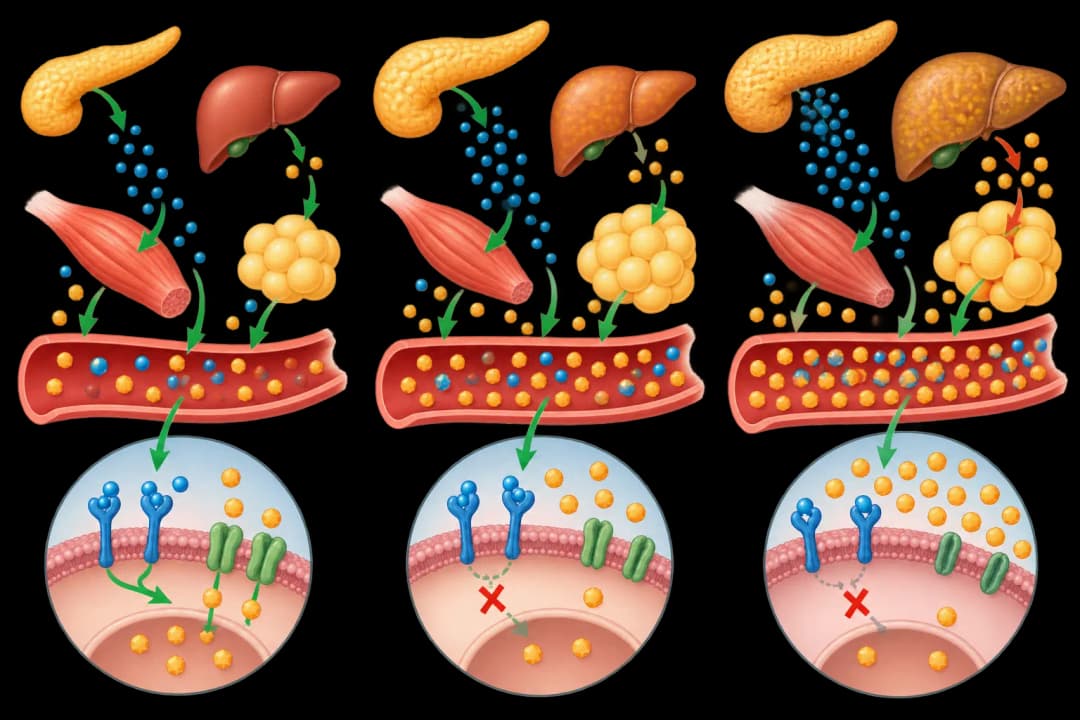
GLP-1 agonists can support blood glucose control in type 2 diabetes, with treatment tailored to your medicines and health needs. They influence insulin and glucagon signals after meals, slow digestion and may reduce appetite. They form one part of diabetes care, alongside monitoring, food choices, activity and review of other treatments.
What the medicine does
A GLP-1 agonist may help the body release insulin when glucose is elevated and reduce signals that raise glucose. Slower stomach emptying can alter fullness and digestion. It may be considered when glucose targets are not met or when weight and cardiovascular considerations affect the treatment plan. Diabetes can coexist with [Obesity](/conditions/obesity/), but one condition does not automatically explain every symptom or treatment choice.
Managing treatment
Take the medicine exactly as prescribed and keep a record of glucose readings, appetite, bowel changes and injection timing. Do not double a dose after a missed injection without instructions. Ask how it fits with insulin or medicines that can cause [Hypoglycaemia](/conditions/hypoglycaemia/). Regular reviews can consider kidney function, foot health, nerve symptoms and circulation, including concerns related to [Chronic Kidney Disease](/conditions/chronic-kidney-disease/) or [Peripheral Neuropathy](/conditions/peripheral-neuropathy/).
When to seek care
Get urgent advice for severe abdominal pain, persistent vomiting, confusion, faintness, difficulty breathing, facial swelling or a widespread rash. Treat suspected low glucose according to your diabetes plan and seek help if symptoms are severe, recur or do not improve. A new wound, spreading redness or warmth can need prompt review for [Cellulitis](/conditions/cellulitis/). Report vision or neurological changes urgently, including symptoms that could suggest a [Stroke](/conditions/stroke/).
Questions for your doctor
Ask what glucose pattern the medicine is intended to improve, how it will be combined with current treatment, and which symptoms require a call. Tell the clinician about kidney disease, previous severe digestive problems, pregnancy plans and any history of [Peripheral Arterial Disease](/conditions/peripheral-arterial-disease/).
Find care
General Clinics & Polyclinics in Abu Dhabi
That answer is general. If you want it applied to your own case, these are licensed general clinics & polyclinics listed in Abu Dhabi.
27 Ar Ruwwad St - Shakhbout City - MSH4 - Abu Dhabi - United Arab Emirates
Accepts: Daman, Thiqa, Cigna, MetLife +20 more
Al Ruwais, Al Dhafrah
Accepts: Daman, Thiqa, AXA, Cigna +16 more
Al Bahyah - Al Bahyah Old - Abu Dhabi - United Arab Emirates
Accepts: Daman, Thiqa, Cigna, Allianz Care +18 more
Abu Dhabi
Accepts: Daman, Thiqa, AXA, Cigna +27 more
Ordered by verification status and how complete each clinic's public record is, then alphabetically. This is a directory listing, not a ranking — Zavis does not rate or recommend providers.
A factual listing drawn from the DHA, DOH and MOHAP licence registers. It is not a referral, an endorsement, or advice that any of these providers is right for you.
Questions people ask
Can a GLP-1 agonist cause low glucose?
The risk depends on the medicine and what it is combined with; ask how to recognise and manage hypoglycaemia.
Should I change my diabetes medicines myself?
No. Dose changes and missed-dose instructions should come from your diabetes clinician or pharmacist.
Related
Related reading
Keep reading
Medical disclaimer. This page is general health information, not medical advice, and it cannot diagnose you. Always consult a licensed healthcare provider about your own symptoms and treatment. In an emergency in the UAE, call 998 for an ambulance.