
What should you know about global sickle cell disease network?
Short answer
A global sickle cell disease network connects screening, clinical care, education and research-informed services across communities.
This answers one question. It is not a diagnosis and does not replace an assessment by a licensed doctor.
At a glance
- What networks connect
- Screening, haematology, primary care, counselling and community support
- Possible symptoms
- Pain episodes, fatigue, joint pain or pale skin
- Urgent concern
- Fever, chest symptoms, sudden weakness or severe pain
Why coordination matters
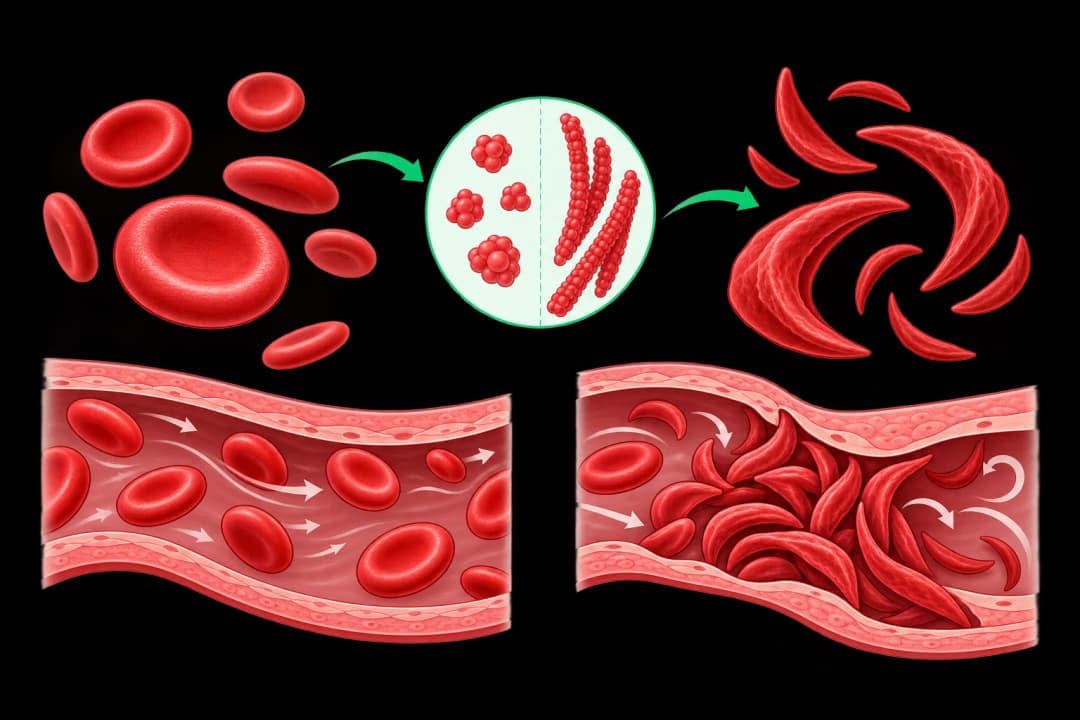
Sickle cell disease is an inherited blood disorder in which red blood cells can become rigid and change shape. This can reduce oxygen delivery and block small blood vessels, causing episodes of pain and other complications. The condition is lifelong, but care can reduce preventable problems.
A network may link families with primary care, haematology teams, laboratories, genetic counselling and community support. Shared standards help people receive consistent advice about infection prevention, hydration, medicines, pain plans and follow-up. Screening can identify the condition or a carrier state and guide family planning conversations.
Practical steps
Keep a written care plan and bring it to new clinicians, travel appointments and emergency visits. Take prescribed medicines as directed, drink regularly, avoid known triggers such as marked cold exposure when relevant to you, and maintain recommended vaccinations. Ask about a blood test if the diagnosis or carrier status is uncertain.
Families considering pregnancy can discuss premarital screening or other genetic counselling options. Screening is a choice that provides information; a clinician can explain what a result means for each partner and possible children.
When to seek care
Seek urgent help for severe or unusual pain, fever, chest pain, breathlessness, sudden weakness, confusion, or marked tiredness with pale skin. In a child, urgent assessment is also needed for unusual sleepiness, poor feeding or a swollen, painful hand or foot. Use your personal crisis plan while arranging care.
Questions for your doctor
Ask which specialists should be involved, what your pain and fever plan says, whether you need regular monitoring, and whether screening is appropriate for relatives or a partner.
Find care
General Clinics & Polyclinics in Abu Dhabi
That answer is general. If you want it applied to your own case, these are licensed general clinics & polyclinics listed in Abu Dhabi.
27 Ar Ruwwad St - Shakhbout City - MSH4 - Abu Dhabi - United Arab Emirates
Accepts: Daman, Thiqa, Cigna, MetLife +20 more
Al Ruwais, Al Dhafrah
Accepts: Daman, Thiqa, AXA, Cigna +16 more
Al Bahyah - Al Bahyah Old - Abu Dhabi - United Arab Emirates
Accepts: Daman, Thiqa, Cigna, Allianz Care +18 more
Abu Dhabi
Accepts: Daman, Thiqa, AXA, Cigna +27 more
Ordered by verification status and how complete each clinic's public record is, then alphabetically. This is a directory listing, not a ranking — Zavis does not rate or recommend providers.
A factual listing drawn from the DHA, DOH and MOHAP licence registers. It is not a referral, an endorsement, or advice that any of these providers is right for you.
Questions people ask
Is sickle cell disease contagious?
No. It is inherited through genes from biological parents and cannot spread through touch, food or breathing near another person.
Why might premarital screening be offered?
It can identify a carrier state or inherited blood condition, giving partners information for counselling and family-planning decisions.
Related
Related reading
Keep reading
Medical disclaimer. This page is general health information, not medical advice, and it cannot diagnose you. Always consult a licensed healthcare provider about your own symptoms and treatment. In an emergency in the UAE, call 998 for an ambulance.