
Getting pregnant after Nexplanon
Short answer
Getting pregnant with Nexplanon in place is not expected because it releases contraceptive hormone, but fertility planning can begin after the implant is removed.
This answers one question. It is not a diagnosis and does not replace an assessment by a licensed doctor.
At a glance
- While in place
- The implant mainly prevents ovulation.
- Removal
- A trained clinician should remove the rod.
- After removal
- Ovulation may return quickly.
How the implant works
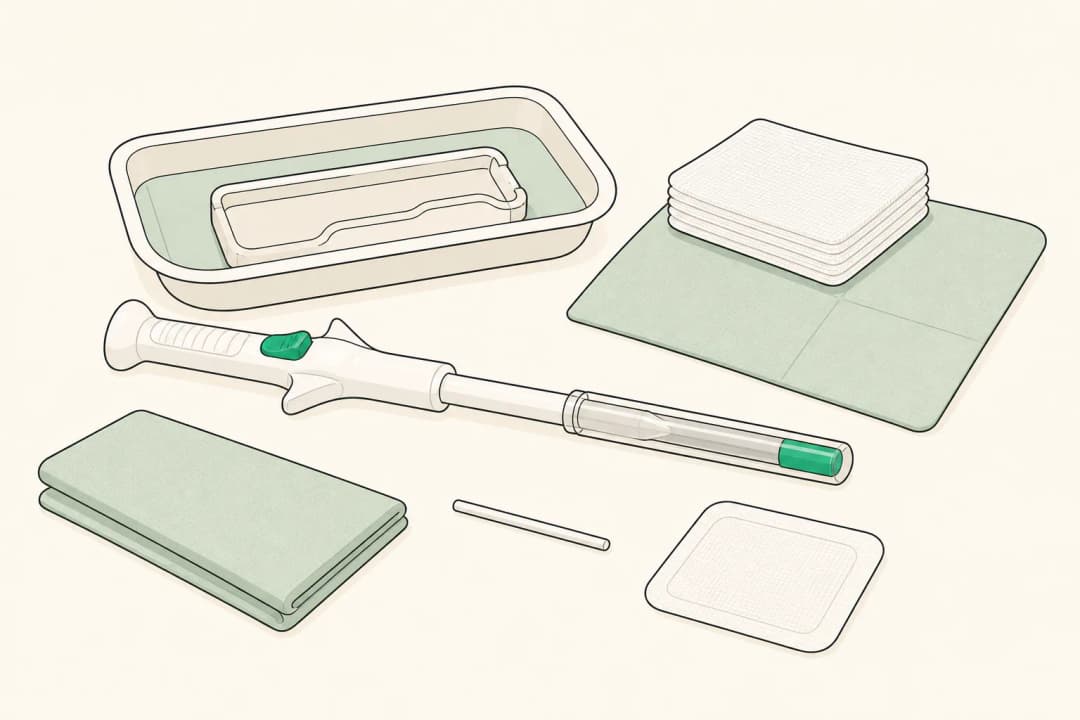
Nexplanon is a small rod placed under the skin of the upper arm. Its etonogestrel hormone mainly prevents ovulation and also changes cervical mucus, making sperm movement more difficult. Bleeding can become lighter, irregular or absent while it is in place; bleeding changes do not show whether the implant is working.
Pregnancy is uncommon but can occur if the implant has not been inserted correctly, has passed its replacement date, interacts with certain medicines, or was inserted when pregnancy was already possible. A clinician should confirm the rod's position and timing if there is uncertainty.
Planning pregnancy
Arrange removal with a trained clinician and say that you want to conceive. Do not try to remove the rod yourself. After removal, ovulation may return quickly, so use another contraceptive method if you are not ready immediately. If you are planning pregnancy, review medicines, health conditions, vaccinations and folic acid with a clinician.
If you prefer an alternative reversible method before trying later, a hormonal coil is another option to discuss. Take a pregnancy test if you have pregnancy symptoms, a missed expected bleed or concern about an implant problem.
When to seek care
Seek urgent care for severe lower abdominal pain, fainting, shoulder-tip pain or bleeding with a positive pregnancy test, as these can be warning signs of ectopic pregnancy. Contact a clinician if the implant cannot be felt, the arm becomes red or very painful, or you suspect medicine has reduced its contraceptive effect.
Questions for your doctor
Ask whether the rod is in the expected position, when removal should happen, how quickly fertility may return, and which medicines can interact with it. If you want pregnancy, ask about folic acid, health checks and when to seek fertility advice if conception does not occur.
Find care
General Clinics & Polyclinics in Abu Dhabi
That answer is general. If you want it applied to your own case, these are licensed general clinics & polyclinics listed in Abu Dhabi.
27 Ar Ruwwad St - Shakhbout City - MSH4 - Abu Dhabi - United Arab Emirates
Accepts: Daman, Thiqa, Cigna, MetLife +20 more
Al Ruwais, Al Dhafrah
Accepts: Daman, Thiqa, AXA, Cigna +16 more
Al Bahyah - Al Bahyah Old - Abu Dhabi - United Arab Emirates
Accepts: Daman, Thiqa, Cigna, Allianz Care +18 more
Abu Dhabi
Accepts: Daman, Thiqa, AXA, Cigna +27 more
Ordered by verification status and how complete each clinic's public record is, then alphabetically. This is a directory listing, not a ranking — Zavis does not rate or recommend providers.
A factual listing drawn from the DHA, DOH and MOHAP licence registers. It is not a referral, an endorsement, or advice that any of these providers is right for you.
Questions people ask
Can Nexplanon cause long-term infertility?
It is not intended to cause permanent infertility; if pregnancy is delayed after removal, other fertility factors should be assessed.
Can I get pregnant soon after removal?
Yes, fertility can return quickly, so discuss contraception or preconception care according to your plans.
Related
Related reading
Keep reading
Medical disclaimer. This page is general health information, not medical advice, and it cannot diagnose you. Always consult a licensed healthcare provider about your own symptoms and treatment. In an emergency in the UAE, call 998 for an ambulance.