
What should you know about gamma knife procedure?
Short answer
A Gamma Knife procedure uses imaging and focused radiation to treat a selected brain target while you remain still.
This answers one question. It is not a diagnosis and does not replace an assessment by a licensed doctor.
At a glance
- Core steps
- Imaging, planning, immobilisation and treatment
- Incision
- No open brain operation is used
- Assessment
- Later review and imaging
What happens during the procedure
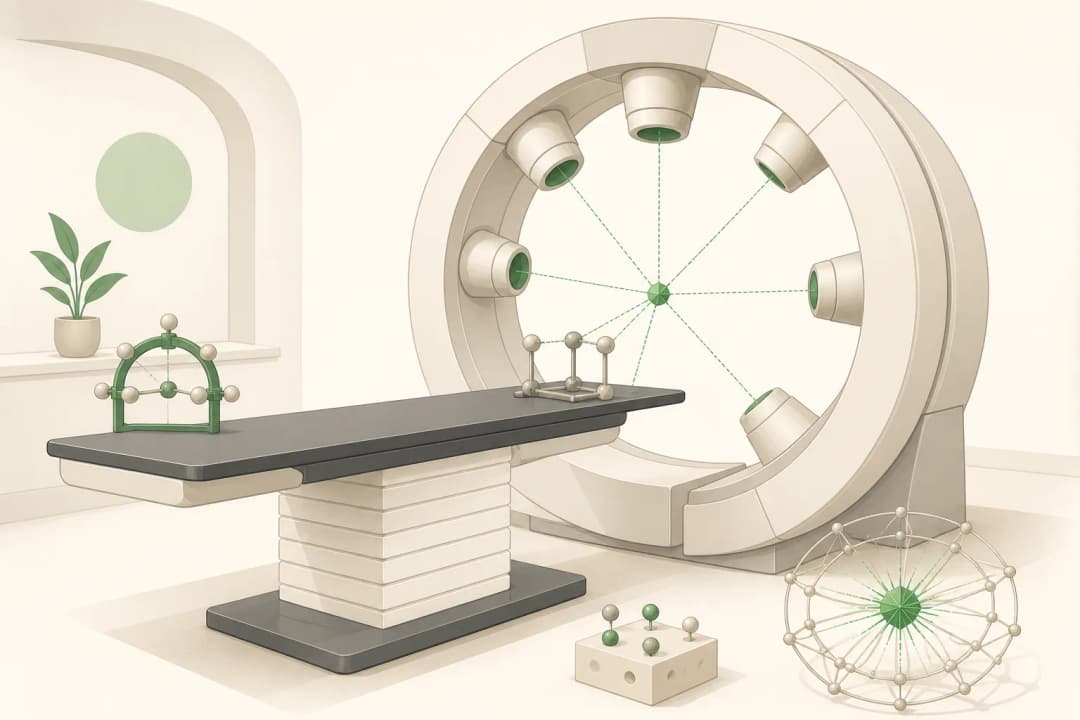
The team first reviews imaging and creates a treatment plan. Your head is kept in the planned position with a frame or a custom mask. Further imaging may confirm the target and its relationship to sensitive structures. The machine then delivers shaped radiation beams from different directions so they meet at the planned point.
You may hear the equipment move, but the treatment itself does not require an incision into the brain. A nurse can communicate with you during the session. The length and number of visits depend on the target and the plan. The effect is assessed later rather than judged immediately in the treatment room.
Preparing and recovering
Follow the centre’s instructions about food, drink and medicines. Tell the team about blood thinners, allergies, pregnancy, seizures, anxiety in enclosed spaces and any implanted device. Wear comfortable clothing and arrange an escort if sedation is used. Afterward, follow wound or skin-care instructions and take prescribed medicines as directed.
Your clinician may compare this option with [Brain Tumour Surgery](/treatments/surgical-oncology/brain-tumour-surgery/) or [Whole Brain Radiotherapy](/treatments/radiation-oncology/whole-brain-radiotherapy/), depending on the disease pattern.
When to seek care
Seek urgent help for a seizure lasting longer than advised by your care team, sudden weakness, severe confusion, collapse, or a sudden change in speech or vision. Contact the centre for persistent vomiting, a worsening headache, fever, or bleeding, redness or discharge around a frame site.
Questions for your doctor
Will I have a frame or mask? How many visits are planned? Which medicines should I take that morning? What will recovery feel like, and when is my first scan?
Questions people ask
Will I be awake?
Many people remain awake, with comfort measures or sedation chosen for their circumstances.
Can I drive home?
Arrange transport if sedation is planned, and follow the centre’s specific advice.
Related
Related reading
Keep reading
Cancer care in the UAE
Hospitals & Medical Centers in Abu Dhabi
Most UAE cancer care is delivered inside hospital services rather than by standalone oncology clinics, so these are licensed hospitals & medical centers listed in Abu Dhabi. Confirm the specific cancer service exists before you travel, and know that asking for a second opinion is routine.
Ahalia Hospital Musaffah Building - Musaffah - Musaffah Industrial - Abu Dhabi - United Arab Emirates
Accepts: Daman, Thiqa, AXA, Cigna +26 more
Al Ruwais Industrial City - Abu Dhabi - United Arab Emirates
Accepts: Daman, Thiqa, AXA, Cigna +30 more
Abu Dhabi, Abu Dhabi
Accepts: Daman, Thiqa, AXA, Cigna +30 more
Second opinions are routine in cancer care and asking for one does not affect your treatment. How to arrange a second opinion in the UAE.
Ordered by verification status and how complete each clinic's public record is, then alphabetically. This is a directory listing, not a ranking — Zavis does not rate or recommend providers.
A factual listing drawn from the DHA, DOH and MOHAP licence registers. It is not a referral, an endorsement, or advice that any of these providers is right for you.
Medical disclaimer. This page is general health information, not medical advice, and it cannot diagnose you. Always consult a licensed healthcare provider about your own symptoms and treatment. In an emergency in the UAE, call 998 for an ambulance.