
Foot Splint Pain: Causes and Safe Next Steps
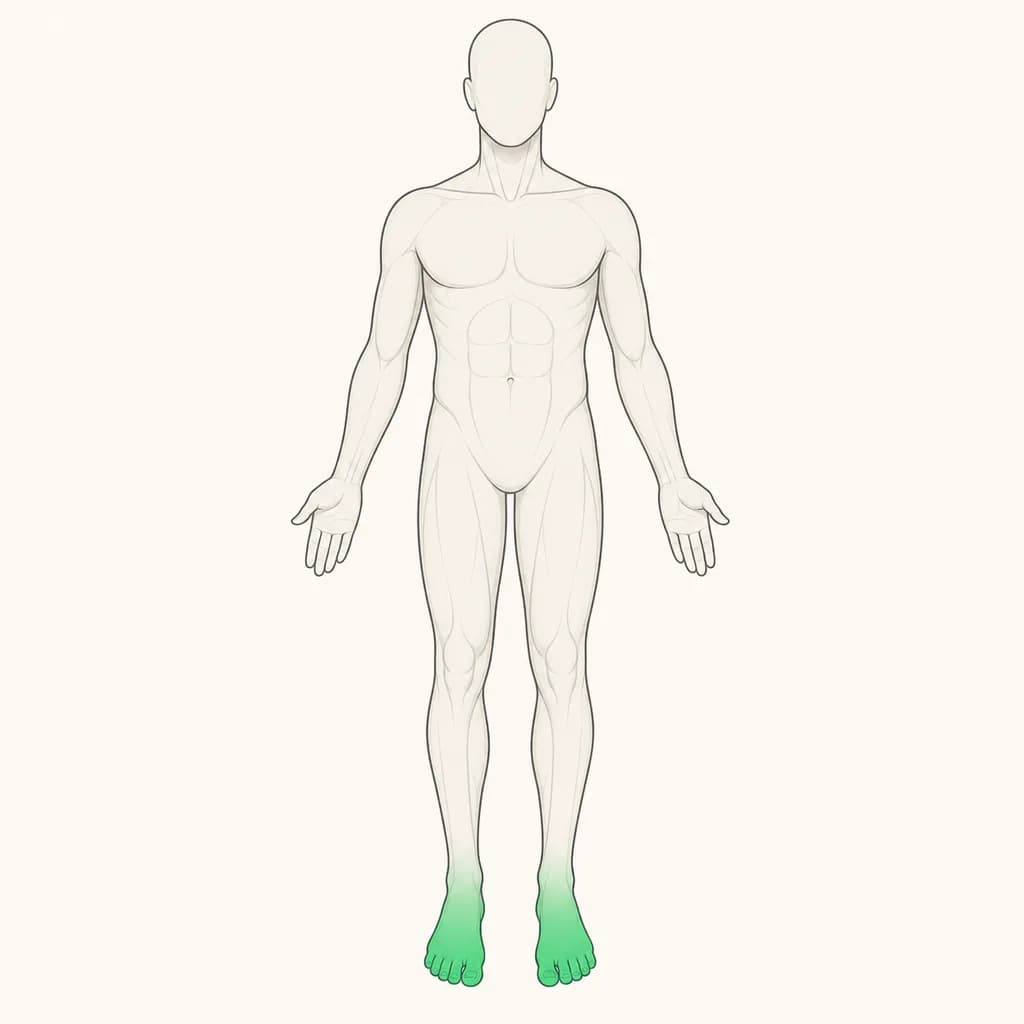
Short answer
Pain from a foot splint may reflect pressure, swelling, stiffness, or an untreated injury, so worsening pain or circulation changes need prompt clinical review.
This answers one question. It is not a diagnosis and does not replace an assessment by a licensed doctor.
At a glance
- Concerning change
- Numbness, unusual coldness, or colour change can indicate pressure on circulation or nerves.
- Fit check
- Inspect skin and toes whenever the device is applied or the pain pattern changes.
Possible reasons for splint pain
A splint that is too tight can press on skin, nerves, or blood vessels. Swelling can make a previously comfortable fit become painful. A hard edge may rub, while prolonged immobilisation may cause stiffness when the foot moves. Pain can also come from the condition being treated, such as Plantar Fasciitis, a bunion, or a Stress Fracture. Burning, tingling, numbness, unusual coldness, or colour change is more concerning than mild pressure at a support point.
What to do now
Stop and check the splint if pain increases after putting it on. Look for rubbing or broken skin and compare toe colour and warmth with the other foot. Do not pad over an area that is numb or severely painful without professional advice. Elevate the foot when resting and follow the prescribed wearing schedule. A clinician may adjust the device, change the support, or recommend a different approach. Custom Orthotics can address selected alignment problems, but they are not a universal solution for splint pain.
When to seek care
Remove or loosen the device only as instructed and seek urgent care for blue, pale, or cold toes, new numbness, marked weakness, severe swelling, or pain that is rapidly escalating. Prompt review is also needed for an open sore, spreading redness, fever, a new deformity, or inability to bear weight. Persistent Foot Pain after the splint is adjusted may signal that the original diagnosis needs reassessment.
Questions for your doctor
Where should pressure be felt, and where should it never occur? Is the size and strap tension correct? How often should I inspect my skin? Could another foot problem explain the pain? What activity is safe while the device is being adjusted?
Find care
General Clinics & Polyclinics in Abu Dhabi
That answer is general. If you want it applied to your own case, these are licensed general clinics & polyclinics listed in Abu Dhabi.
27 Ar Ruwwad St - Shakhbout City - MSH4 - Abu Dhabi - United Arab Emirates
Accepts: Daman, Thiqa, Cigna, MetLife +20 more
Al Ruwais, Al Dhafrah
Accepts: Daman, Thiqa, AXA, Cigna +16 more
Al Bahyah - Al Bahyah Old - Abu Dhabi - United Arab Emirates
Accepts: Daman, Thiqa, Cigna, Allianz Care +18 more
Abu Dhabi
Accepts: Daman, Thiqa, AXA, Cigna +27 more
Ordered by verification status and how complete each clinic's public record is, then alphabetically. This is a directory listing, not a ranking — Zavis does not rate or recommend providers.
A factual listing drawn from the DHA, DOH and MOHAP licence registers. It is not a referral, an endorsement, or advice that any of these providers is right for you.
Questions people ask
Is some discomfort normal in a foot splint?
A feeling of support or mild pressure can occur, but escalating pain, numbness, or skin injury is not a normal fit response.
Can I adjust the straps myself?
Only make adjustments allowed by the fitting instructions; significant pain should be assessed rather than masked by loosening the device.
Related
Related reading
Keep reading
Medical disclaimer. This page is general health information, not medical advice, and it cannot diagnose you. Always consult a licensed healthcare provider about your own symptoms and treatment. In an emergency in the UAE, call 998 for an ambulance.