
Foot Pain: Causes, Diagnosis and Treatment
Updated
At a glance
- May affect
- Heel, arch, toes, joints, nerves or bones
- Useful clue
- What activity or movement brings it on
- Assessment
- Usually begins with history and physical examination
What foot pain can feel like
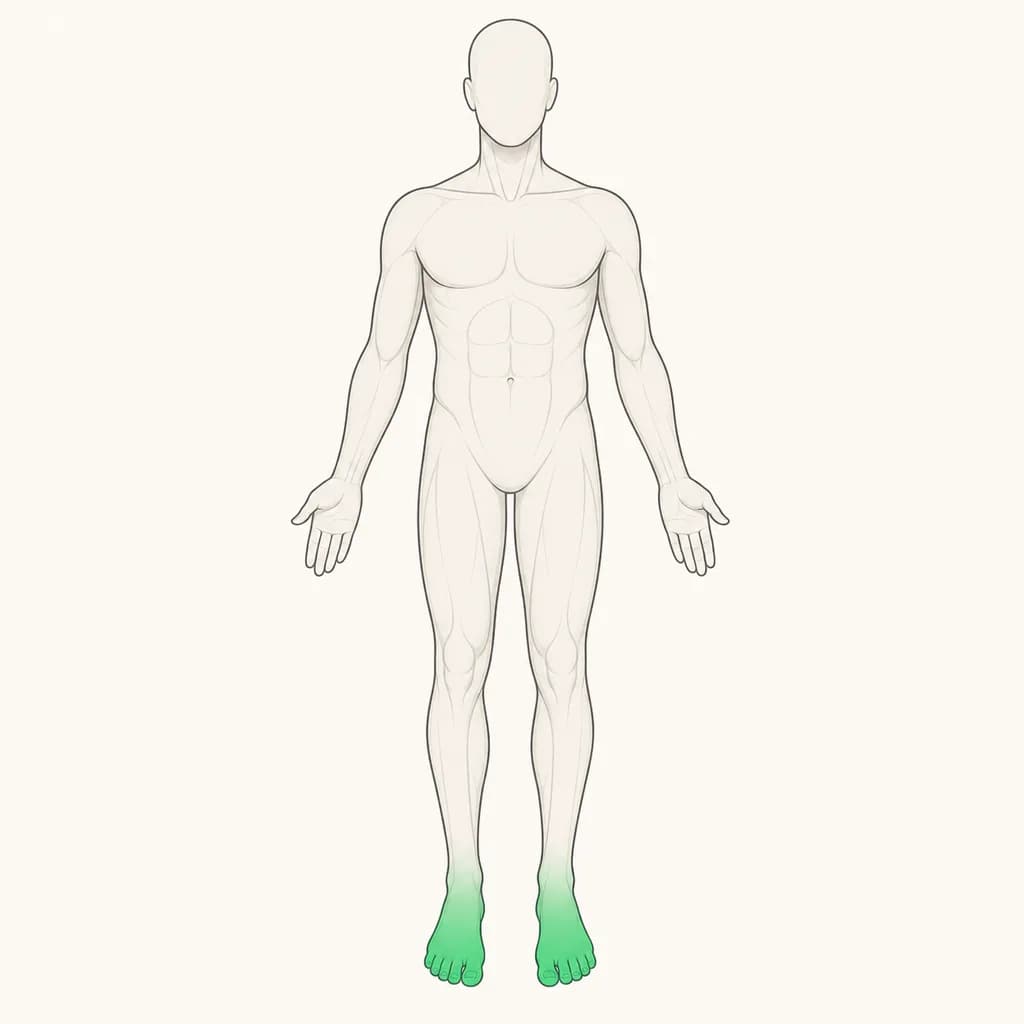
Foot pain may come from a joint, tendon, ligament, nerve, bone or the way the foot bears weight.
Pain may be sharp, aching, burning or tender to touch. It can sit under the heel, across the arch, around the toes, or on the top or outer edge of the foot. Stiffness after rest, discomfort during walking, swelling, a thickened area of skin, or tingling can add useful clues. Notice whether symptoms begin with the first steps, after activity, in particular shoes, or when the foot is loaded.
Is foot pain urgent?
Arrange prompt medical assessment after a significant injury, if the foot looks deformed, or if you cannot bear weight. Seek urgent care for a cold or unusually pale foot, rapidly increasing swelling, spreading redness with fever, or new loss of feeling or movement. A wound that is not healing also deserves timely review, especially when sensation is reduced.
Possible causes of foot pain
The causes below are listed alphabetically, not by likelihood. Bunions can change the position of the big toe and irritate the joint or shoe-facing skin. Flat Feet can alter arch support and load distribution. Hallux Rigidus causes stiffness and pain at the big-toe joint. Hammer Toe bends a smaller toe and may create pressure in footwear. Morton's Neuroma can irritate tissue around a forefoot nerve, causing burning or tingling. Plantar Fasciitis affects the band beneath the foot and may hurt near the heel. Stress Fracture is a small bone injury that can cause focused pain that worsens with loading.
How foot pain is diagnosed
A clinician asks about onset, activity changes, footwear, previous injury and medical conditions. They inspect alignment, skin, swelling and walking pattern, then check joint movement, strength, sensation and tender points. Imaging is selected when examination suggests a bone, joint or structural problem; options may include an X-ray or other scan. The location of tenderness and the movement that reproduces pain often guide the next step.
Treatment depends on the cause
Care may start with adjusting the activity that provokes symptoms, supportive footwear, gentle mobility and a graduated strengthening plan. A clinician may recommend pain relief when appropriate and address calf, ankle or toe movement. For altered foot loading, [Custom Orthotics](/treatments/non-surgical-orthopedics/custom-orthotics/) may be considered. A bunion, rigid big-toe joint or toe deformity may need specialist review. Persistent nerve-related forefoot pain can lead to discussion of [Morton's Neuroma Surgery](/treatments/reconstructive-orthopedic-surgery/mortons-neuroma-surgery/).
Reducing future foot pain
Increase walking, running or jumping gradually and allow recovery between demanding sessions. Choose shoes with enough room for the toes and a stable fit for the activity. Keep ankle and calf mobility, foot strength and balance in your routine. Replace footwear when it no longer supports you, and address recurring pain early rather than repeatedly training through it.
Symptoms that may occur with foot pain
You may also notice stiffness, swelling, altered walking, numbness, tingling, skin pressure or pain that travels into the ankle. Record these changes and whether they affect one or both feet; the combination can help distinguish a local foot problem from symptoms referred from higher in the leg.
When to arrange a review
Book an assessment when pain keeps returning, limits ordinary walking, changes your gait, or does not settle after a short period of sensible activity modification. Bring the shoes you use most and describe the exact point of pain. Early evaluation can identify load, movement and footwear factors before they become harder to change.
Find care
Physiotherapy & Rehabilitation in Dubai
Where foot pain: causes, diagnosis and treatment is assessed depends on what is causing it. These are licensed physiotherapy & rehabilitation listed in Dubai.
Office 1510, SIT Tower, Dubai Silicon Oasis, Dubai, United Arab Emirates
Accepts: Daman, Thiqa, AXA, Cigna +14 more
- Physio Expert DubaiVerified
Renew and Revive Polyclinic, Al Wasl Rd, opposite J3 Mall, Umm Suqeim 2, Dubai, United Arab Emirates
Accepts: Insurance accepted
Kent Healthcare LLC, Nashwan Building - 208C Business Block, Al Mankhool Rd - above Emirates NBD Bank - Al Raffa - Dubai
Accepts: Thiqa, AXA, Cigna, MetLife +14 more
Index Building, Nad Al Hamar Road, Dubai Festival City, Dubai
Accepts: Thiqa, AXA, Cigna, MetLife +23 more
Ordered by verification status and how complete each clinic's public record is, then alphabetically. This is a directory listing, not a ranking — Zavis does not rate or recommend providers.
A factual listing drawn from the UAE health regulators' public licence registers. It is not a referral, an endorsement, or advice that any of these providers is right for you.
Questions people ask
Can foot pain come from the way I walk?
Yes. Changes in alignment, ankle movement, muscle control or footwear can alter how force moves through the foot and may contribute to symptoms.
Should I keep exercising with foot pain?
Reduce or change the activity that clearly provokes pain, but keep comfortable movement if it does not worsen symptoms; seek assessment when walking or loading remains difficult.
Related
Related reading
Keep reading
Medical disclaimer. This page is general health information, not medical advice, and it cannot diagnose you. Always consult a licensed healthcare provider about your own symptoms and treatment. In an emergency in the UAE, call 998 for an ambulance.