
What should you know about flexible cystoscopy urology?
Short answer
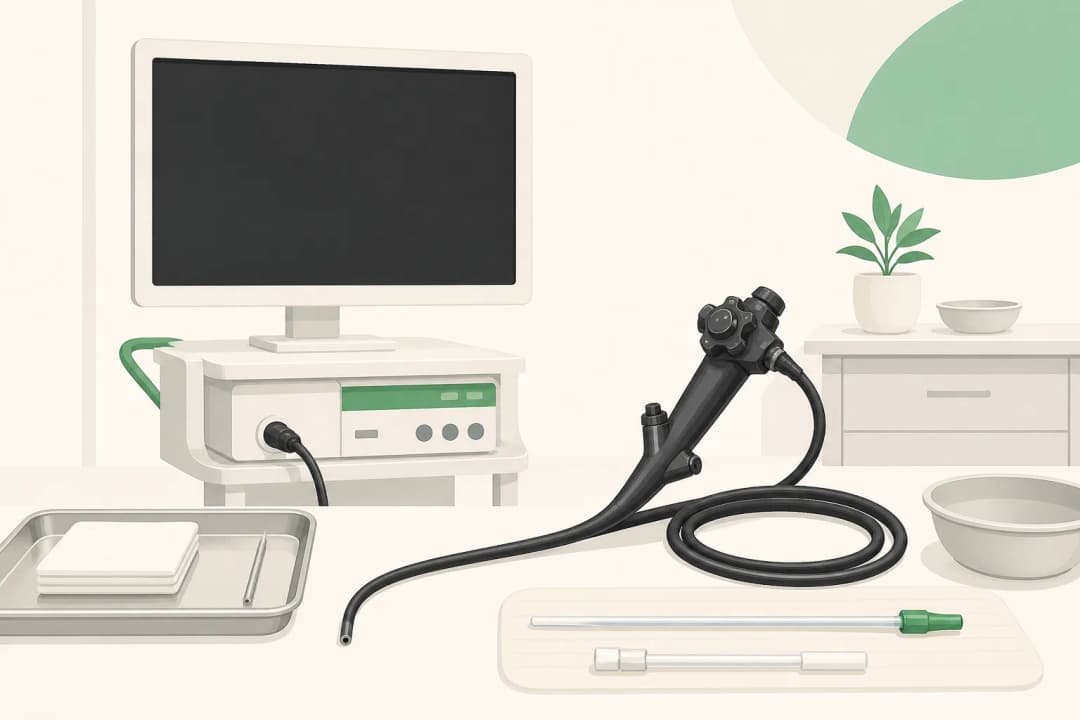
In urology, flexible cystoscopy is a direct inspection of the urethra and bladder with a narrow bendable camera, often performed using local anaesthetic gel.
This answers one question. It is not a diagnosis and does not replace an assessment by a licensed doctor.
At a glance
- Specialty
- Urology
- Direct view
- Urethra and bladder lining
- Aftercare focus
- Urination, pain, bleeding, and fever
Its place in urology care
A urologist may use the examination to investigate blood in the urine, recurrent urinary symptoms, poor flow, suspected narrowing, stones, or an abnormal scan. The camera shows the inner surface of the urethra and bladder, while sterile fluid helps expand the bladder for a clearer view. You can usually communicate with the team throughout.
The procedure may be part of an assessment for Bladder Cancer, particularly when the bladder lining needs direct inspection. A visual change is not the same as a confirmed cancer diagnosis; your clinician will explain whether urine analysis, imaging, biopsy, or monitoring is appropriate.
Working with the urology team
Bring or share your current medicines and tell the team about allergies, pregnancy possibility, urinary infection symptoms, previous catheter problems, or difficulty emptying your bladder. Check whether you should alter any medicine or arrange a lift if sedation is included.
During the visit, the team cleans the area, applies gel, and advances the scope carefully. You may feel pressure or an urge to urinate. Afterward, follow the written instructions, drink as advised, and allow time for mild stinging or urinary frequency to settle.
Aftercare and urgent symptoms
Call the urology service if symptoms intensify or fail to improve as advised, especially fever, chills, worsening pelvic pain, cloudy or foul-smelling urine, or increasing blood. Go for urgent assessment if you cannot pass urine, have severe pain, or experience heavy bleeding.
Questions for the consultation
Ask what the team is investigating, whether the examination may include a sample, how findings will be shared, what recovery should feel like, and who to contact outside clinic hours if a warning sign appears.
Questions people ask
Why use a flexible scope instead of a rigid one?
A flexible scope can follow the urinary passage while you are awake, making it useful for a direct outpatient inspection in many situations.
Can the urologist take a biopsy during this visit?
The team will explain whether sampling is planned; sometimes a separate procedure is needed for tissue collection.
Related
Related reading
Keep reading
Cancer care in the UAE
Hospitals & Medical Centers in Abu Dhabi
Most UAE cancer care is delivered inside hospital services rather than by standalone oncology clinics, so these are licensed hospitals & medical centers listed in Abu Dhabi. Confirm the specific cancer service exists before you travel, and know that asking for a second opinion is routine.
Ahalia Hospital Musaffah Building - Musaffah - Musaffah Industrial - Abu Dhabi - United Arab Emirates
Accepts: Daman, Thiqa, AXA, Cigna +26 more
Al Ruwais Industrial City - Abu Dhabi - United Arab Emirates
Accepts: Daman, Thiqa, AXA, Cigna +30 more
Abu Dhabi, Abu Dhabi
Accepts: Daman, Thiqa, AXA, Cigna +30 more
Second opinions are routine in cancer care and asking for one does not affect your treatment. How to arrange a second opinion in the UAE.
Ordered by verification status and how complete each clinic's public record is, then alphabetically. This is a directory listing, not a ranking — Zavis does not rate or recommend providers.
A factual listing drawn from the DHA, DOH and MOHAP licence registers. It is not a referral, an endorsement, or advice that any of these providers is right for you.
Medical disclaimer. This page is general health information, not medical advice, and it cannot diagnose you. Always consult a licensed healthcare provider about your own symptoms and treatment. In an emergency in the UAE, call 998 for an ambulance.