
Heavy first period after ablation
Short answer
A heavy first period after ablation deserves medical review, particularly when bleeding is increasing, lasts unusually long, causes weakness, or comes with severe pain or fever.
This answers one question. It is not a diagnosis and does not replace an assessment by a licensed doctor.
At a glance
- Review needed
- New or worsening heavy bleeding after ablation should be assessed
- Possible effect
- Blood loss can contribute to iron deficiency anaemia
Possible explanations
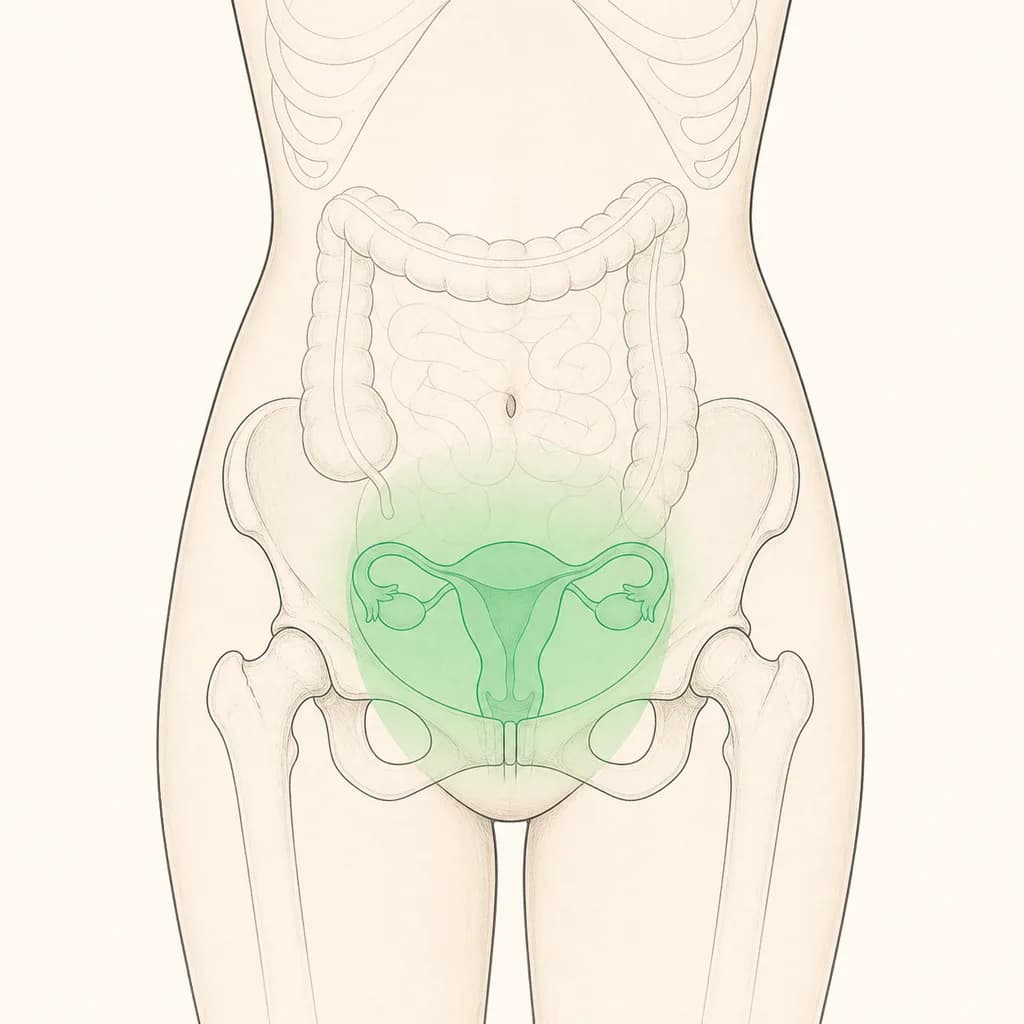
Endometrial ablation changes the uterine lining, but it does not always stop menstrual bleeding or prevent every future cycle from being heavy. New or recurring heavy bleeding can be associated with adenomyosis, uterine fibroids, endometrial polyps, endometrial hyperplasia, hormonal changes around perimenopause, or other causes. Polycystic Ovary Syndrome can also affect cycle regularity. Heavy bleeding may lead to iron deficiency anaemia, which can cause tiredness, breathlessness, headaches, or paleness. The symptom alone cannot identify which condition is responsible.
What to record and arrange
Arrange a gynaecology review and record when bleeding began, how often you change protection, the presence of clots, pain, dizziness, and whether bleeding occurs between periods or after sex. Do not rely on supplements to treat possible anaemia without testing. A clinician may examine you, check blood counts, and choose imaging or another investigation based on your history. Heavy Periods is a useful related symptom guide.
When bleeding needs urgent help
Seek urgent care if bleeding is rapidly soaking protection, you feel faint or short of breath, have severe or one-sided pain, develop fever, or feel acutely unwell. Contact your clinician soon if heavy bleeding keeps returning, disrupts sleep or daily activities, or appears after a period of little or no bleeding. Pregnancy is still possible after ablation, so take a pregnancy test and seek advice for bleeding with a positive result.
Questions for your doctor
Ask whether your bleeding pattern fits expected recovery, whether you need a blood count or imaging, how to protect iron stores, and which treatment options remain suitable after ablation.
Find care
General Clinics & Polyclinics in Abu Dhabi
That answer is general. If you want it applied to your own case, these are licensed general clinics & polyclinics listed in Abu Dhabi.
27 Ar Ruwwad St - Shakhbout City - MSH4 - Abu Dhabi - United Arab Emirates
Accepts: Daman, Thiqa, Cigna, MetLife +20 more
Al Ruwais, Al Dhafrah
Accepts: Daman, Thiqa, AXA, Cigna +16 more
Al Bahyah - Al Bahyah Old - Abu Dhabi - United Arab Emirates
Accepts: Daman, Thiqa, Cigna, Allianz Care +18 more
Abu Dhabi
Accepts: Daman, Thiqa, AXA, Cigna +27 more
Ordered by verification status and how complete each clinic's public record is, then alphabetically. This is a directory listing, not a ranking — Zavis does not rate or recommend providers.
A factual listing drawn from the DHA, DOH and MOHAP licence registers. It is not a referral, an endorsement, or advice that any of these providers is right for you.
Questions people ask
Does ablation guarantee that periods stop?
No. Some people continue to bleed, and bleeding can change over time.
Could heavy bleeding after ablation have another cause?
Yes. Conditions affecting the uterus or changing hormones may contribute, so assessment is needed.
Related
Related reading
Keep reading
Medical disclaimer. This page is general health information, not medical advice, and it cannot diagnose you. Always consult a licensed healthcare provider about your own symptoms and treatment. In an emergency in the UAE, call 998 for an ambulance.