
Fasciotomy of the lower leg
Short answer
A lower-leg fasciotomy opens one or more tight muscle compartments when swelling threatens the tissues inside them.
This answers one question. It is not a diagnosis and does not replace an assessment by a licensed doctor.
At a glance
- Area treated
- One or more compartments of the lower leg
- Reason
- Swelling or bleeding is raising pressure around vital tissues
- Recovery focus
- Wound care, safe movement, walking, and muscle recovery
Understanding the lower leg
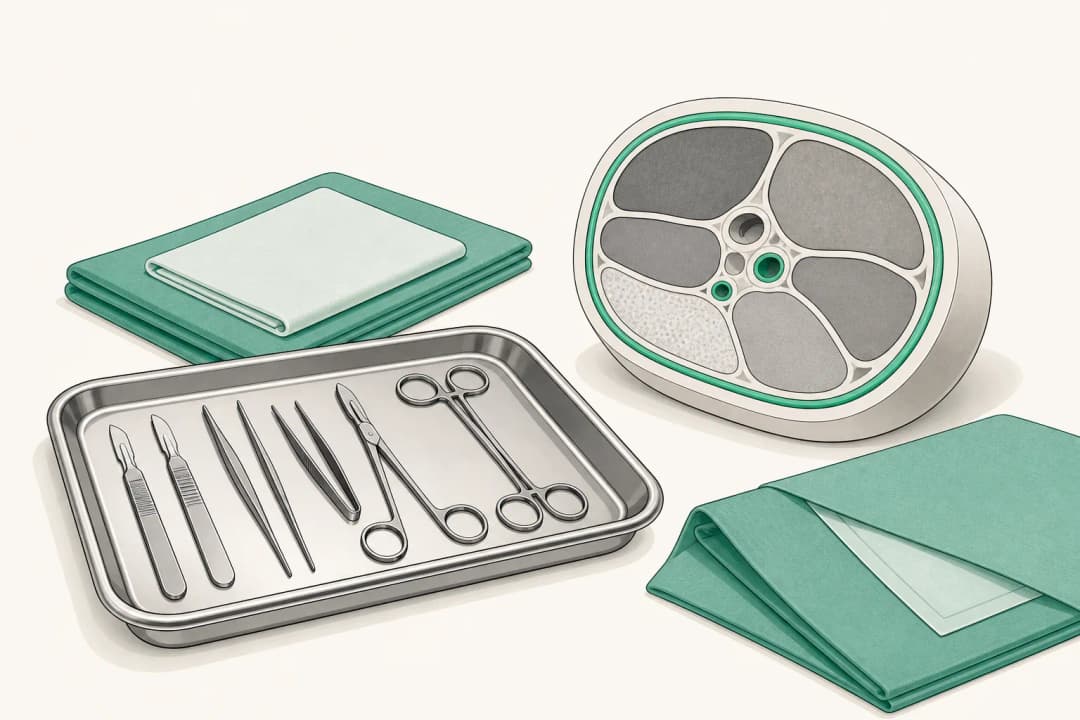
The lower leg has several compartments containing muscles, nerves, and blood vessels. Each is wrapped in fascia, a strong layer that does not stretch easily. Bleeding or swelling after a fracture, crush injury, or major impact can raise pressure inside a compartment. Without timely treatment, the pressure can impair nerve signals, muscle function, and circulation.
A lower-leg fasciotomy releases the fascia over the affected spaces. The surgeon may need to open multiple compartments because pressure can involve more than one area. The skin may be left open temporarily while swelling settles, with closure arranged later.
Care around the operation
If the team suspects dangerous pressure, remain in hospital for assessment and follow instructions about food, drink, splints, and limb position. Bring a list of medicines and allergies. After surgery, checks focus on toe movement, sensation, skin temperature, pulses, swelling, and wound condition.
Keep dressings dry and follow weight-bearing instructions. Physiotherapy may begin with gentle movement, then progress to walking, strength, balance, and scar management. The timetable depends on the pressure injury, any fracture, and how the wound is closed. Learn more about [Fasciotomy](/treatments/trauma-and-fracture-care/fasciotomy/).
When to seek urgent care
For a new lower-leg injury, seek emergency assessment if pain is rapidly worsening, the leg feels tense, or there is tingling, numbness, weakness, or trouble moving the toes. A cold, pale, or blue-looking foot needs immediate attention. After surgery, urgent review is needed for heavy bleeding, wound opening, rapidly increasing swelling, or severe new pain.
Questions for your doctor
Which lower-leg compartments are involved? How will you check that the nerves and circulation are recovering? When can the wound be closed? What limits apply to walking, driving, work, bathing, and physiotherapy?
Find care
General Clinics & Polyclinics in Abu Dhabi
That answer is general. If you want it applied to your own case, these are licensed general clinics & polyclinics listed in Abu Dhabi.
27 Ar Ruwwad St - Shakhbout City - MSH4 - Abu Dhabi - United Arab Emirates
Accepts: Daman, Thiqa, Cigna, MetLife +20 more
Al Ruwais, Al Dhafrah
Accepts: Daman, Thiqa, AXA, Cigna +16 more
Al Bahyah - Al Bahyah Old - Abu Dhabi - United Arab Emirates
Accepts: Daman, Thiqa, Cigna, Allianz Care +18 more
Abu Dhabi
Accepts: Daman, Thiqa, AXA, Cigna +27 more
Ordered by verification status and how complete each clinic's public record is, then alphabetically. This is a directory listing, not a ranking — Zavis does not rate or recommend providers.
A factual listing drawn from the DHA, DOH and MOHAP licence registers. It is not a referral, an endorsement, or advice that any of these providers is right for you.
Questions people ask
Is lower-leg fasciotomy only used after a fracture?
No. It may be considered after crush injuries, bleeding, severe soft-tissue injury, or other situations that raise compartment pressure.
Why might the lower-leg wound stay open?
Swelling can make immediate closure too tight. Temporary coverage and later closure may protect the tissues while swelling decreases.
Related
Related reading
Keep reading
Medical disclaimer. This page is general health information, not medical advice, and it cannot diagnose you. Always consult a licensed healthcare provider about your own symptoms and treatment. In an emergency in the UAE, call 998 for an ambulance.